
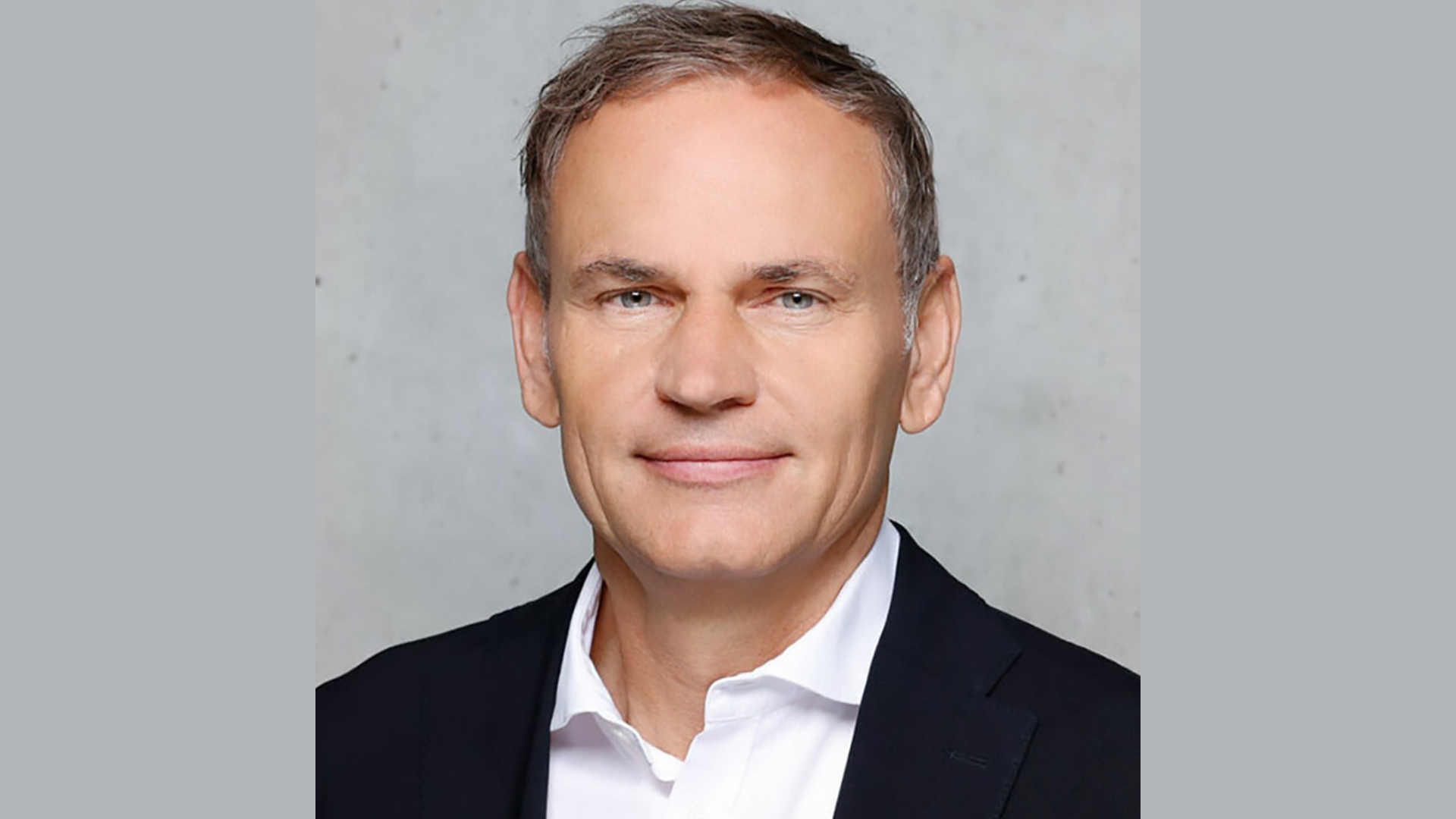
Oliver Blume: Steering Volkswagen Group Through Transformation, Turbulence, and a Trillion-Euro Future

Oliver Blume, CEO of Volkswagen Group, is at the heart of one of the most ambitious industrial transformations in recent corporate history. Leading the company since 2022, Blume has guided it through a shifting automotive landscape of slowing demand for electric vehicles, increasing competition out of China, and geopolitical uncertainty, while attempting to reposition Volkswagen as a global technology powerhouse. As 2025 comes to a close, his leadership is defined by strategic discipline, long-term investment, and a pragmatic approach to electrification and digitalization.
Blume recently reaffirmed Volkswagen’s commitment to invest €160 billion through 2030, a slightly revised figure from earlier planning cycles but still one of the largest industrial investment programs in Europe. The objective is unmistakable: to further strengthen the company’s position in EVs, drive faster software development, modernize production, and safeguard long-term competitiveness. While the reduction from prior investment plans recognizes near-term economic challenges, Blume underlined that Volkswagen’s future remains inextricably linked to innovation, scale, and technological leadership.
He has led Volkswagen to adopt a “value over volume” approach. Rather than aggressive production targets, which in the past had resulted in problems such as inventory issues and dissatisfied customers, the focus is now on profitability, differentiated brands, and high-quality product development. Porsche and Audi remain the anchors of the group’s financial prowess, with their traditionally high margins. Meanwhile, the mass-market brands, including VW, Skoda, and SEAT, are working on modernization for competitiveness against Chinese automakers that have rapidly gained ground on affordable EVs.
Blume has also strongly emphasized software as one of the key pillars that will define Volkswagen in the future. Cariad, its software arm, saw years of delays and technical setbacks that averted the launch of key vehicles. Blume oversaw a deep restructuring of the division, bringing in fresh leadership while simplifying processes and prioritizing fewer areas of focus. The goal is to develop a single software platform capable of powering all Volkswagen Group vehicles, providing robust driver assistance, over-the-air updates, and an overall better customer experience.
Another important element in Blume’s transformation of Volkswagen is the strategic development of its battery ecosystem. He has continued the heavy investments in battery-cell production, both through in-house development and partnerships. With giga-factories planned in Germany, Spain, and Canada, Volkswagen is working to secure long-term access to critical cell technology and reduce dependence on external suppliers. Blume has said time and again that controlling the battery supply chain is about both cost competitiveness and technological sovereignty.
Blume’s tenure as chief executive has been defined by a pragmatic view on electromobility. Fully signed up to an electric long-term future, he nevertheless introduced some nuance, suggesting market acceptance would vary significantly from region to region. So in Europe and China, VW keeps expanding its range of EVs, although at a softer pace than when substantial consumer incentives were in place. The US market remains divided, so for Volkswagen, that has meant maintaining the best possible combustion engine offering in addition to EV expansion. The company has adopted a multi-technology strategy under Blume-investing in EVs while simultaneously strengthening profitable combustion and hybrid models to support financial stability during the transition.
Another area in which he has taken swift and decisive action is Volkswagen’s China strategy. Chinese EV makers-most particularly BYD-have rapidly eroded the market share of foreign automakers. Blume struck back with local joint ventures slotted for software, digital features, and competitively priced EV models targeted at Chinese consumers. The tie-up with China’s tech company Xpeng is one major example : Volkswagen uses the Xpeng-developed platforms to speed up new model development in China, further underscoring that Blume will not let pride get in the way of speed and practicality. Financial discipline also has become a hallmark of Blume’s tenure.
Cost-cutting programs were initiated across VW’s German plants and brand divisions, aiming at long-term operational expenditure reductions that would preserve the core engineering and innovation capabilities. The approach balances modernization with social responsibility-a necessary consideration in a company employing over 600,000 employees worldwide. Looking to the future, it is not just Volkswagen’s future that Oliver Blume will shape but the future of Europe’s automotive sector. His vision positions Volkswagen as a diversified mobility group: strong in software, competitive in EVs, efficient in manufacturing, and adaptive to global markets. There are still challenges on the path ahead, including global competition, economic uncertainty, and technological disruption, but Blume has drawn a road map through resilience with strategic clarity.

