
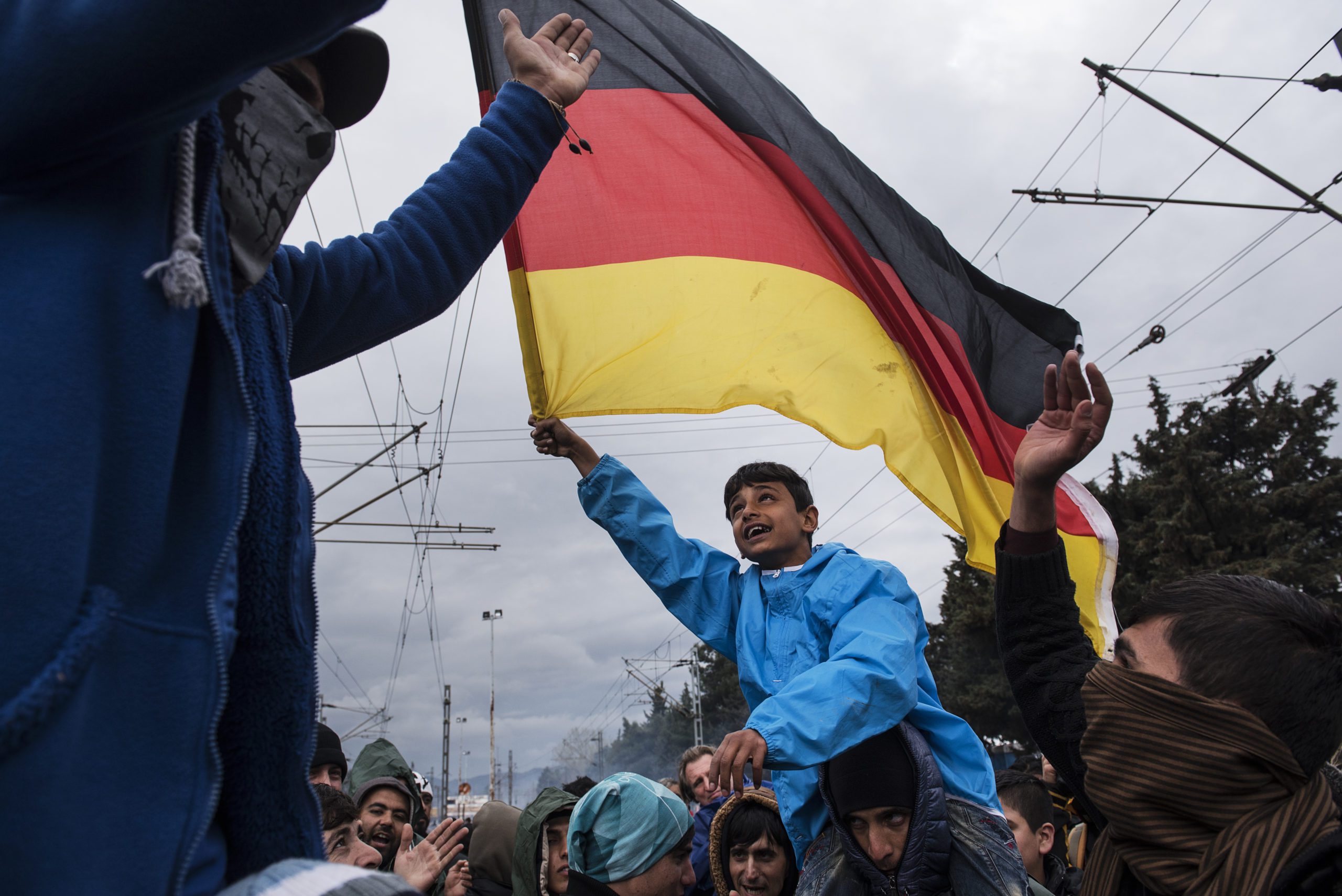

Migrants in Germany Face Persistent Wage Gap, New Study Reveals
A new study has revealed a stark reality for millions of migrants living in Germany: they earn significantly less than their native-born counterparts — and the gap doesn’t close, even in later generations.
According to the study, migrants in Germany earn nearly 20% less than native-born workers. While the pay difference isn’t due to discrimination within the same roles, researchers say the gap stems from limited access to higher-paying sectors and professions, a trend that appears to be passed down across generations.
The findings raise questions about integration, opportunity, and long-term equality in one of Europe’s most economically powerful countries.
Key Findings of the Study
The research focused on labor market participation and income data for both foreign-born and German-born workers, including second and third-generation migrants. Here are some of the core findings:
- Foreign-born workers earn, on average, nearly 20% less than native-born Germans.
- The wage gap persists even among those born in Germany to migrant parents, indicating long-term systemic barriers.
- Migrants are underrepresented in high-paying industries like finance, technology, public administration, and law.
- Most migrants are concentrated in lower-paying sectors such as hospitality, cleaning, manufacturing, and logistics.
Not Unfair Pay — But Unequal Access
The researchers were quick to clarify that the wage gap is not primarily due to unequal pay for the same job — in other words, migrants are not routinely underpaid for doing the same work as native Germans.
Instead, the issue is structural: migrants and their descendants are less likely to gain access to sectors and professions that offer higher salaries, benefits, and long-term career advancement.
“The gap is largely explained by occupational segregation and barriers to upward mobility,” the study’s authors noted.
In many cases, this occupational segregation begins early — from access to quality education, language skills, and career guidance, to biases in hiring practices and promotion opportunities.
Generational Impact: Why the Gap Doesn’t Close Over Time
One of the most concerning aspects of the study is that even second- and third-generation migrants — those born and educated in Germany — still face lower earnings compared to peers from non-migrant backgrounds.
This suggests that integration efforts have not been fully successful, and that cultural, social, or institutional barriers remain.
Some possible reasons include:
- Discrimination in hiring or promotion
- Lower rates of parental wealth or professional networks
- Regional disparities, especially in urban centers with high migrant populations
- Limited access to elite universities or specialized education tracks
Real Lives Behind the Statistics
For many migrants, the wage gap is not just a number — it shapes everyday realities like housing, education, and job security.
Ahmed, a 34-year-old originally from Syria and now living in Hamburg, works full-time in logistics. Despite speaking fluent German and holding a technical certificate, he says breaking into better-paid positions has been nearly impossible.
“I’ve applied for dozens of jobs with better pay,” he says. “But I often never even get a callback. I sometimes wonder if my name or background plays a role.”
Fatima, a German-born teacher of Moroccan descent, said she had to fight to get the same career chances as her peers.
“I had to work twice as hard to prove I belonged in the classroom,” she says. “The system doesn’t always expect children of migrants to succeed — and that affects your path early on.”
What Needs to Change?
Experts suggest several strategies to close the wage and opportunity gap for migrants in Germany:
1. Education Reform and Early Support
Ensuring all children, regardless of background, have access to quality schooling and support — including German language learning, tutoring, and mentorship — is critical.
2. Stronger Anti-Discrimination Measures
Biases in hiring and promotion need to be addressed through stronger enforcement of anti-discrimination laws and more transparency in recruitment.
3. Inclusive Career Development Programs
Targeted programs to help migrants gain access to high-growth industries — including tech, finance, and healthcare — could help close the wage gap in the long term.
4. Recognition of Foreign Qualifications
Streamlining how Germany recognizes international education and work experience can help skilled migrants transition into appropriate roles more quickly.
The Broader Implications
Germany, like many Western nations, relies heavily on migrant labor to support its economy. From care workers and drivers to engineers and educators, migrants play a vital role.
But this study reveals a hard truth: economic inclusion remains incomplete.
The findings also carry implications for Germany’s future competitiveness, social cohesion, and demographic stability, especially as it faces labor shortages in key industries.
Final Thoughts
As Germany continues to grapple with how to integrate its growing and diverse population, this new research sends a clear message: economic opportunity is not equally distributed.
Closing the migrant wage gap will require not just good intentions, but concrete reforms, inclusive policies, and societal change. For Germany to truly live up to its values of equality and fairness, it must ensure that where you’re from doesn’t determine how far you go.

