
Macron and Merz Push to Scrap EU’s New Corporate Responsibility Law, Sparking Major Backlash

EU Sustainability Law Under Fire from France and Germany
The European Union’s Corporate Sustainability Due Diligence Directive (CSDDD) is now facing its toughest challenge yet. French President Emmanuel Macron has officially joined German Chancellor Friedrich Merz in calling for the law’s elimination—a move that could significantly reshape how European companies handle environmental and human rights issues.
The directive, which requires businesses to identify and address harmful impacts on human rights and the environment throughout their entire value chains, was seen by many as a bold step toward greater corporate accountability. But now, two of the EU’s most powerful leaders are pushing back.
Macron’s Message to Business: Less Regulation, More Competitiveness
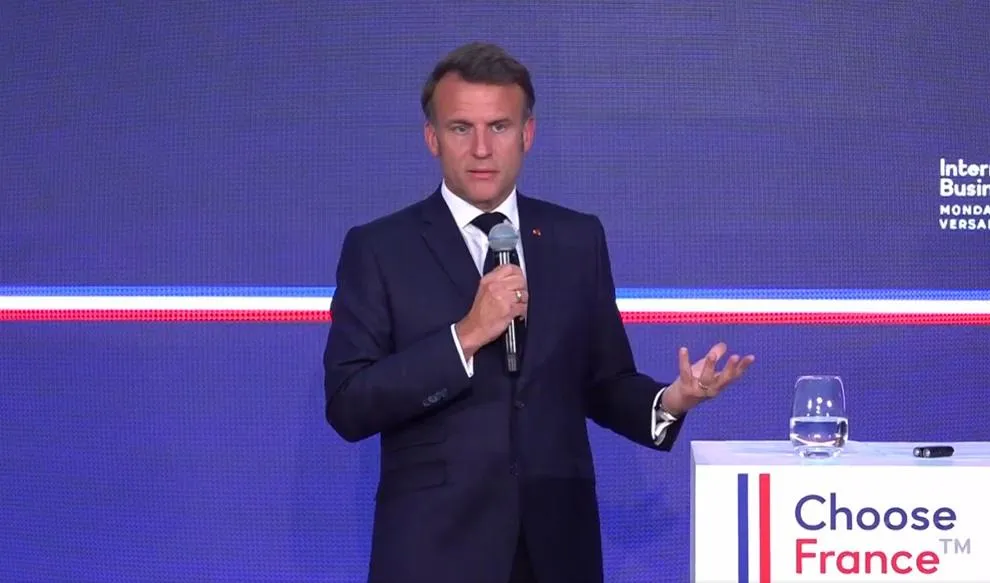
Speaking at the “Choose France” International Business Summit, President Macron addressed hundreds of global executives and outlined a vision for Europe’s economic future—one focused on reducing red tape and regulatory burden.
He argued that eliminating the CSDDD is necessary to restore Europe’s competitiveness on the global stage. According to Macron, the law places too heavy a burden on European businesses, especially when compared to competitors in countries like the United States and China, which are not bound by such strict regulations.
By scrapping the directive, he said, Europe can create a more level playing field, encouraging investment and growth while giving companies more freedom to innovate and scale.
Merz and Macron: A United Front Against Overregulation
Macron’s remarks come shortly after German Chancellor Friedrich Merz also voiced opposition to the CSDDD. Merz has been a consistent critic of what he calls “excessive bureaucracy” in the EU and argues that regulations like these stifle entrepreneurship and slow down the economy.
Together, Merz and Macron represent a powerful alliance within the EU, and their joint opposition could be enough to derail the directive before it’s fully implemented.
This alignment between Berlin and Paris signals a growing concern among some EU leaders that the bloc’s push for sustainability may be clashing with economic realities.
The CSDDD: What It Means for Businesses
At its core, the CSDDD requires large EU-based companies—and some foreign companies operating in the EU—to:
- Identify environmental and human rights risks in their supply chains
- Prevent or mitigate negative impacts
- Monitor and report their progress
- Face legal consequences for failing to comply
The law applies to a wide range of sectors, from fashion and food to tech and automotive. Supporters argue that it is a necessary step to make global supply chains more ethical and transparent.
Critics Warn of Economic Risks
However, critics—including now the leaders of France and Germany—say the directive imposes too much legal responsibility on companies. They argue that many firms lack the resources to monitor their entire supply chains, especially when they include suppliers in countries with weak governance or unstable conditions.
There are also fears that overregulation could push companies to relocate outside the EU, reduce investment in innovation, or limit their global partnerships—all of which would damage the European economy.
Business Community Reacts
Reaction from the business world has been mixed.
Some major corporations welcome the directive, seeing it as a chance to align with growing consumer demand for ethical and sustainable practices. Others, especially mid-sized companies and industry groups, warn that the CSDDD creates an administrative nightmare and could lead to significant costs.
Macron’s message was clearly targeted at this second group—businesses that feel overwhelmed by regulations and are calling for relief.
What Happens Next?
The future of the CSDDD is now uncertain. While the law has strong support from environmental and human rights advocates, the growing political pressure from the EU’s two largest economies could delay or even dismantle it.
EU lawmakers are expected to revisit the directive in the coming weeks, and the debate will likely intensify as businesses, civil society, and member states weigh in.
One thing is clear: the balance between sustainability and competitiveness is now at the center of the EU’s policy direction.

