
Germany’s President Urges Europe to Step Up Its Defense Efforts at Peace Conference

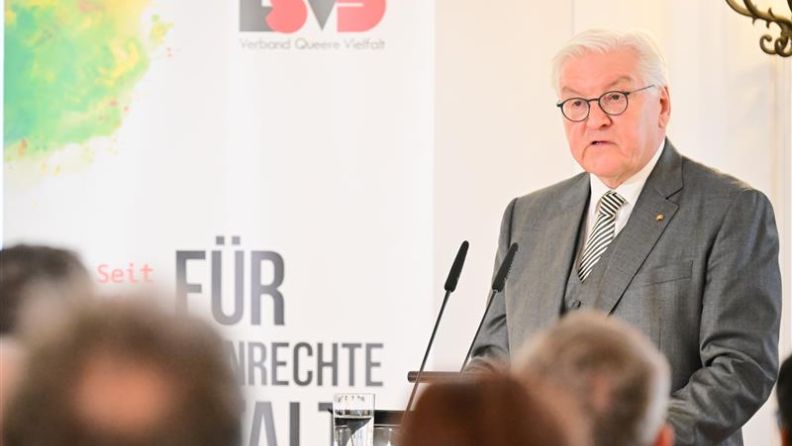
Münster, Germany – In a clear message to both Washington and Moscow, German President Frank-Walter Steinmeier has called for Europe to take stronger action to ensure its own security and defense. Speaking at the second Westphalian Peace Conference in Münster, Steinmeier emphasized that Europe can no longer rely on others to protect it, highlighting the need for greater self-reliance in an increasingly volatile world.
Europe’s Growing Defense Responsibilities
At the start of the conference, Steinmeier shared his concerns about Europe’s current approach to defense, stating that while European Union (EU) nations are investing significant amounts in defense, it still isn’t enough to keep up with the growing threats facing the continent. “We Europeans must now focus on what is important to us,” Steinmeier urged. “We must take greater care of our own protection.”
Europe has historically relied on NATO and partnerships with the United States for its defense. However, Steinmeier warned that with shifting political landscapes in Moscow and Washington, Europe cannot afford to remain passive. In his speech, the president referred to this period as a “double epochal shift,” signaling a transformation in global power dynamics that requires Europe to adapt and strengthen its defense capabilities.
The Financial Reality: Is Europe Doing Enough?
Steinmeier pointed out that EU states are currently investing around 326 billion euros annually in defense, but he stressed that this figure is no longer sufficient in the face of rapidly changing security threats. The president made it clear that, in order to effectively deter potential aggressors and ensure the safety of its citizens, Europe needs to do more.
“Deterrence and defense are a shared responsibility,” Steinmeier said. He emphasized that Europe cannot afford to lag behind, especially with global powers like the U.S. and Russia making strategic moves that could destabilize the security landscape. Europe, he argued, needs to enhance its own defense posture, relying less on external forces and focusing more on internal solidarity.
400 Leaders Gather for Peace Talks
The second Westphalian Peace Conference in Münster brought together over 400 guests, including diplomats, political leaders, and experts in international relations, to discuss pressing global security issues. The conference is a key platform for discussing peace and security in Europe and beyond, with leaders from various countries exchanging ideas and strategies for addressing current conflicts.
While Steinmeier’s call for greater European defense might have been the headline of the event, it was also a time to recognize individuals who have dedicated their lives to promoting peace and human rights. The conference was not only about policy discussions but also about honoring those who have made lasting contributions to peace.
A Tribute to Margot Friedländer: A Legacy of Remembrance
One of the most emotional moments of the conference came when President Steinmeier presented the “Special Prize of the International Award of the Peace of Westphalia” to 103-year-old Holocaust survivor, Margot Friedländer. Friedländer, who has spent her life educating others about the atrocities of the Holocaust and the importance of remembering history, was recognized for her tireless work in promoting humanity, tolerance, peace, and democracy.
Steinmeier paid tribute to Friedländer’s unflagging commitment, calling her an essential figure in ensuring that future generations learn from the past. “You not only help us remember. You educate people about what led Germany into the abyss before 1933,” Steinmeier said. His remarks highlighted the importance of teaching future generations about the dark history of Germany and the lessons it holds for preventing similar atrocities in the future.
Friedländer’s personal story, along with her advocacy for remembrance, made her a powerful symbol of the need for continued efforts to combat intolerance and promote peace in a world that continues to face division and conflict.
The Changing Global Landscape: A Call for European Unity
The core of Steinmeier’s message was clear: Europe can no longer afford to be complacent when it comes to its own security. The shift in global power dynamics, with the U.S. and Russia asserting more aggressive stances, has made it clear that Europe must take greater responsibility for its own defense. This will require not just financial investment but also a united front among European nations.
At a time when many European countries are facing internal challenges, from populism to economic inequality, Steinmeier urged leaders to come together and ensure that the continent remains strong, secure, and united. The president’s comments reflect a broader debate about Europe’s role in global security and its dependence on external powers for protection.
A Global Challenge: The Need for Collective Security
Steinmeier’s call for Europe to do more for its own defense is not just a German issue—it’s a global one. As countries like Russia and China expand their influence, and as the U.S. becomes more focused on domestic issues, Europe must step up and work together to protect its values and interests.
In a world of growing instability, the need for collective security has never been more urgent. Steinmeier’s message underscores the importance of European solidarity, cooperation, and resilience in the face of evolving threats.
Europe’s Path Forward
As the second Westphalian Peace Conference came to a close, Steinmeier’s speech left an indelible mark on the attendees. His call for Europe to take more responsibility for its defense was a wake-up call for leaders across the continent. The changing geopolitical environment requires not only increased investment in defense but also a renewed commitment to European unity and cooperation.
At the same time, the recognition of individuals like Margot Friedländer reminds us of the importance of remembering history, fostering peace, and upholding the values of humanity and tolerance. As Europe navigates its future, it must balance security with the lessons of the past, ensuring that the horrors of history never repeat themselves.
The conference may have ended, but the conversations it sparked will continue to shape Europe’s approach to security and peace for years to come.

