
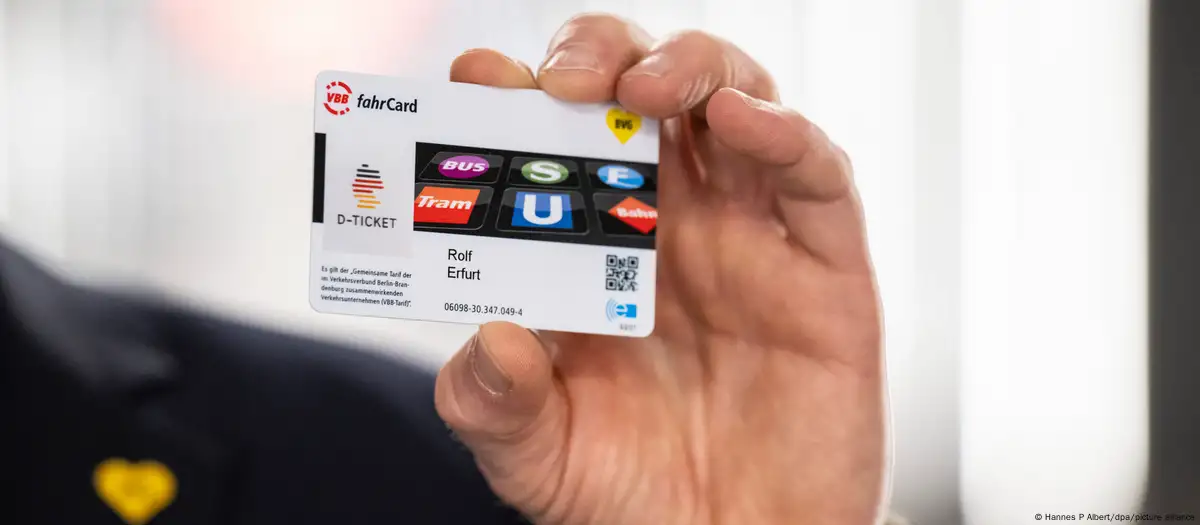

Germany’s beloved Deutschlandticket—a flat-rate rail pass widely used by commuters and travelers across the country—has seen its price increase once more. Federal and state governments agreed to raise the ticket price from €58 to €63, a move that has sparked criticism from mobility advocates and concerns among regular users about potential cancellations.
The Deutschlandticket, launched to encourage public transportation usage and simplify travel across regional and local networks, has become a symbol of affordable, eco-friendly commuting. Its price hike, however, raises questions about accessibility and the sustainability of nationwide mobility initiatives.
Why the Price Increase?
The federal and state governments cited rising operational costs and inflationary pressures in the transportation sector as the primary reasons for the increase. Rail operators argue that maintaining and expanding services, while keeping infrastructure in good condition, requires additional revenue, particularly given rising energy and maintenance costs.
Officials maintain that the ticket still represents a cost-effective travel option, covering unlimited access to regional trains, trams, buses, and suburban rail services across participating networks. Yet, critics argue that even a small increase can have a significant impact on commuters and low-income travelers.
Public and Advocacy Reactions
Mobility advocates have criticized the move, warning that the price hike could trigger a wave of cancellations or reduce ridership. Organizations representing commuters stress that affordability is crucial for promoting sustainable transport and reducing car dependency.
“Even a €5 increase can discourage people who are already struggling with living costs,” said one transportation analyst. “The Deutschlandticket was meant to make public transport accessible to all, and repeated price hikes risk undermining that goal.”
Social media and public forums have also seen a flurry of reactions, with commuters expressing frustration over rising transportation costs amid broader concerns about inflation and cost of living. Many fear that the increase will particularly affect students, low-income workers, and frequent travelers who rely on the pass for daily commuting.
The Deutschlandticket’s Popularity
Since its launch, the Deutschlandticket has become a mainstay for German commuters, offering unlimited travel on local and regional public transport for a flat monthly rate. Its simplicity and affordability have made it a preferred choice for people traveling for work, study, and leisure.
The ticket has also contributed to Germany’s climate goals, encouraging citizens to shift from cars to public transport. By providing an economical alternative, it has helped reduce traffic congestion and lower emissions. The latest price hike, however, raises questions about whether this trend can continue without further increases.
Economic and Social Implications
The price increase reflects broader economic pressures in Germany, where energy costs, inflation, and operational expenses are influencing public services. While rail operators need funds to maintain quality service, mobility advocates warn that repeated increases could widen social inequalities, as lower-income commuters bear the brunt of higher costs.
Experts suggest that the government should explore subsidies or targeted support programs to protect vulnerable users while ensuring rail networks remain financially sustainable. Balancing affordability and operational viability will be key to maintaining the ticket’s popularity and environmental impact.
Looking Ahead
The Deutschlandticket remains an integral part of Germany’s public transport system, and the latest price adjustment is likely to spark debate about future fare policies. Officials have indicated that further reviews may be conducted to ensure the ticket remains viable, especially as public transport usage continues to grow.
Commuters are advised to assess their travel patterns and consider whether alternative subscription options or regional passes might offer cost savings. Meanwhile, advocacy groups continue to push for measures to limit price increases and maintain the ticket’s accessibility for all segments of society.
Germany’s approach to public transportation pricing will likely influence not only commuter behavior but also the country’s broader environmental and sustainability goals, highlighting the importance of keeping affordable, reliable transport options available.

