
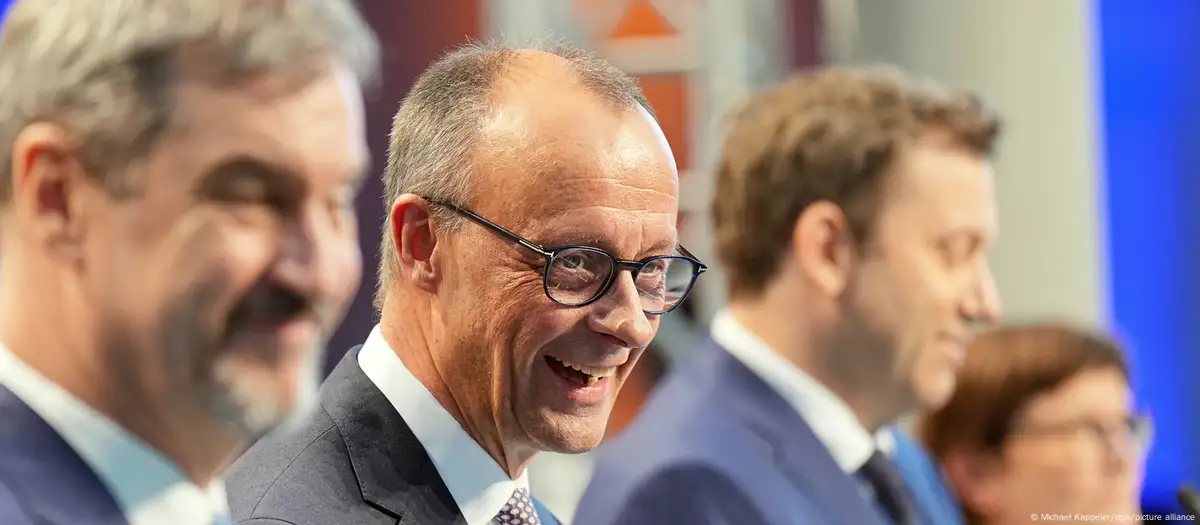

After weeks of intense negotiations, Germany’s political heavyweights have finally come to an agreement: the conservative CDU/CSU bloc and the center-left SPD will form a new coalition government. But what does this mean for Germany, and who are the key players involved in this historic deal?
Chancellor-in-waiting Friedrich Merz, leader of the CDU/CSU, will lead the new government, but key positions are still up for grabs. Here’s a closer look at the coalition, the politicians to watch, and how this deal could shape Germany’s future.
The CDU/CSU and SPD Join Forces: A Historic Coalition
Germany’s political landscape has been shaken up as two of the country’s biggest political forces—the conservative CDU/CSU bloc and the center-left SPD—have come together to form a coalition government. This partnership, which has been in the works for several weeks, is crucial for addressing Germany’s growing list of challenges, both at home and abroad.
The CDU/CSU, led by Friedrich Merz, emerged as the biggest party in Germany’s February elections, but it was clear that they couldn’t govern alone. The SPD, led by Lars Klingbeil, will be the key partner in this new coalition. Together, they aim to steer Germany through uncertain times, with both domestic and international challenges on the horizon.
Who’s Who in Germany’s New Government?
While the details of the new cabinet are still being worked out, several names are already being floated for top positions. Here are some of the most important figures to keep an eye on:
Friedrich Merz: The Next Chancellor
Friedrich Merz, leader of the CDU/CSU, is set to become Germany’s next Chancellor. He led his conservative party to a strong victory in February’s election and has been the dominant force behind the coalition talks. Merz has a long history in German politics, having served in various roles, including as a member of the Bundestag and as a key figure in the business community.
His leadership style is conservative, and he is expected to focus on economic stability, fiscal responsibility, and Germany’s role in the European Union. However, his rise to power is not without controversy, especially as he faces opposition from more progressive factions within the SPD.
Lars Klingbeil: A Rising Star in the SPD
Lars Klingbeil, co-leader of the SPD, is one of the most important figures in the new coalition. At just 47 years old, Klingbeil is one of the younger leaders in German politics. He has quickly become the dominant voice within the SPD, especially after the departure of outgoing Chancellor Olaf Scholz.
Klingbeil is widely expected to take on the powerful roles of both Vice Chancellor and Finance Minister in the new government. These positions will give him significant influence over Germany’s economic and fiscal policies, and it’s possible that Klingbeil could set his sights on the chancellery himself in the future.
Known for his pragmatic approach to politics, Klingbeil is seen as a unifying figure who can help bridge the gap between the SPD’s more progressive wing and the CDU/CSU’s conservative base.
The Defense Minister: A Key Role in Uncertain Times
As tensions rise in Europe and beyond, the role of Germany’s Defense Minister has never been more critical. The defense portfolio is expected to go to one of the CDU/CSU’s key figures, though the final decision has yet to be made.
Germany’s defense policies are under intense scrutiny, especially as the country navigates security challenges from Russia and other global threats. The new Defense Minister will have to balance Germany’s commitments to NATO, EU defense strategies, and the country’s growing role in global peacekeeping efforts.
While the exact person for this role is still unclear, one thing is certain: this position will play a pivotal role in shaping Germany’s future security policies.
The Coalition’s Key Priorities: What Will They Focus On?
With the coalition government now officially agreed upon, it’s time to take a look at what the CDU/CSU and SPD will focus on in the coming years. The new government faces several challenges, both at home and on the international stage. Here are the key areas they are expected to prioritize:
Economic Stability and Growth
One of the coalition’s top priorities will be ensuring Germany’s economic stability in the face of global uncertainty. With inflation, supply chain disruptions, and economic slowdowns affecting countries worldwide, the government will need to implement policies to keep the economy strong. As Finance Minister, Lars Klingbeil will have a critical role in managing Germany’s budget, ensuring that the country can weather economic storms while investing in long-term growth.
Friedrich Merz, with his conservative economic background, is expected to focus on fiscal responsibility and market-driven solutions, aiming to maintain Germany’s position as one of Europe’s leading economic powers.
Climate Change and Sustainability
Another major issue for the new government is climate change and environmental sustainability. Germany has been a leader in the global fight against climate change, and both the CDU/CSU and SPD are committed to advancing renewable energy, reducing emissions, and building a sustainable future.
However, there are differences in how each party wants to approach these issues. The SPD is expected to push for more ambitious climate goals, while the CDU/CSU will likely prioritize a more balanced approach that takes economic factors into account.
As the world grapples with rising temperatures and extreme weather events, Germany’s climate policies will be crucial not just for the country’s future but for Europe and the world at large.
Social Justice and Equality
The SPD is known for its commitment to social justice, and this will be a key area of focus in the new coalition. Lars Klingbeil and other SPD leaders are expected to push for policies that promote equality, improve workers’ rights, and tackle poverty and inequality within Germany.
At the same time, the CDU/CSU’s more conservative stance may create tension on issues like welfare, labor rights, and social programs. The coalition will need to find common ground in order to implement policies that benefit all Germans, regardless of their background or income.
What Does This Deal Mean for Germany?
Germany’s new coalition government marks the beginning of a new chapter for the country. With Friedrich Merz poised to become Chancellor and Lars Klingbeil taking on powerful roles, this government represents a balance of conservative and progressive priorities. The outcome of this coalition deal will shape Germany’s future in terms of economic stability, defense, climate change, and social justice.
As the coalition government takes shape, all eyes will be on the key players involved and the policies they propose. With so much at stake, the next few years in Germany’s politics will be crucial not just for the country, but for Europe and the wider world.

