
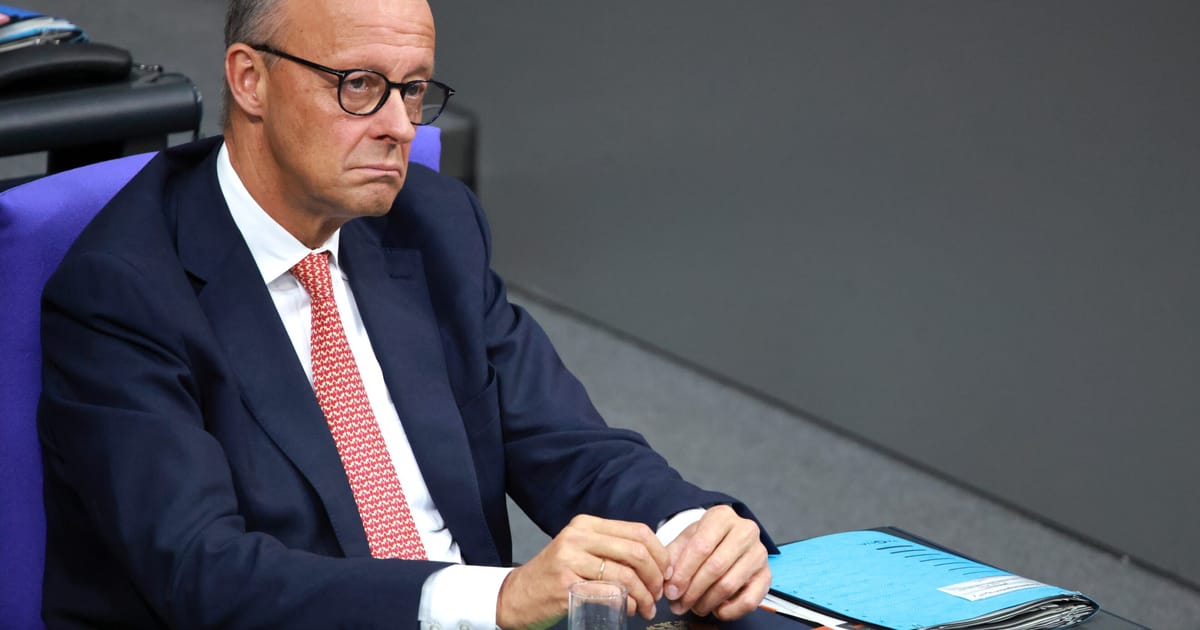
Germany’s Latest Headlines: Massive Captagon Bust, Bundestag Rainbow Flag Controversy, and Chancellor Merz Tackles US Trade Tensions

Germany is in the spotlight this week as law enforcement scores a significant drug bust, political debates flare up over cultural symbolism in parliament, and Chancellor Friedrich Merz commits to resolving escalating trade tensions with the United States. Here’s a detailed look at these major developments shaping Germany’s current affairs.
Massive Captagon Bust in Eastern Germany
In a striking law enforcement victory, German police seized approximately 300 kilograms of Captagon, a powerful amphetamine-based drug, hidden in a grocery store in eastern Germany. The bust is one of the largest recent drug confiscations involving Captagon, which has become notorious as a stimulant linked to criminal networks and conflict zones, particularly in the Middle East.
What is Captagon?
Captagon is a synthetic amphetamine that has gained infamy in recent years, especially in conflict regions like Syria and Lebanon, where it is used as a stimulant by fighters and trafficked extensively. The drug’s presence in Europe, especially Germany, signals the widening reach of illegal networks and the growing concern among authorities about drug-related crime and its social consequences.
Police Operations and Ongoing Investigations
Authorities are currently investigating the origins of the shipment, its intended distribution networks, and the broader criminal organizations involved. This bust not only disrupts a significant drug supply chain but also highlights the need for increased vigilance and cooperation among European law enforcement agencies.
Bundestag’s Rainbow Flag Debate: Political Symbols in Parliament
Germany’s Bundestag, the federal parliament, has become the center of controversy over the display of rainbow flags—symbols of LGBTQ+ pride—within its premises. The president of the Bundestag, Julia Klöckner, has ordered the immediate removal of rainbow flags displayed in and around parliamentary offices, sparking debates over the appropriateness of political and cultural symbols in the legislature.
Background: The Rainbow Flag and Christopher Street Day
Traditionally, rainbow flags have been flown during Christopher Street Day, Germany’s pride event equivalent to Pride Month in other countries, celebrating LGBTQ+ rights and visibility. In past years, these flags were generally permitted to be displayed at the Bundestag.
Klöckner’s Position
Julia Klöckner has expressed opposition to the flags being flown above the Bundestag, arguing for a more neutral, non-partisan atmosphere in the parliament. She believes that the Bundestag should remain a place focused on governance rather than symbolic displays that might alienate some members or citizens.
Chancellor Merz’s Support
Chancellor Friedrich Merz backed Klöckner’s decision on the popular talk show “Maischberger,” stating, “The Bundestag is not a circus tent” where flags can be raised at will. Merz stressed that symbolic displays such as the rainbow flag should be carefully regulated and noted that the flag would be flown only once.
Public and Political Reactions
This move has ignited passionate responses from various political and civil society groups. Supporters of the LGBTQ+ community view the removal of the flags as a setback for visibility and inclusion, while others argue for the need to maintain parliamentary decorum and neutrality.
The controversy raises larger questions about the role of cultural and political symbols in government spaces and the balance between freedom of expression and institutional neutrality.
Chancellor Merz Takes the Lead on US-EU Trade Tensions
Amid rising trade tensions between the European Union and the United States, German Chancellor Friedrich Merz has committed to working closely with European Commission President Ursula von der Leyen and French President Emmanuel Macron to find a resolution to the escalating tariff conflict.
Background: The Tariff Dispute
The dispute intensified after US President Donald Trump announced plans to impose a 30% tariff on goods imported from the EU, including key German exports like cars and machinery. These tariffs pose a significant threat to Germany’s export-driven economy, which relies heavily on access to international markets.
Merz’s Statement on Trade and Unity
Speaking to the German public broadcaster ARD, Merz emphasized the importance of unity within the European Union and open, reasonable dialogue with the United States. He highlighted his intensive discussions with Macron and von der Leyen over the weekend, expressing determination to use the upcoming weeks before the August 1 deadline to negotiate a peaceful solution.
Economic Stakes for Germany
Merz underscored that the proposed tariffs would strike “the German export industry to the core,” potentially jeopardizing thousands of jobs and broader economic growth. Germany’s industrial sector, especially automotive manufacturing, is particularly vulnerable to such trade barriers.
Macron’s Role and the EU’s Stance
French President Emmanuel Macron has also urged the European Commission to “defend European interests resolutely” in response to the US threat. Macron’s firm stance complements Merz’s call for unity and a strategic approach to safeguard the EU’s economic interests.
What’s Next for Germany?
Tackling Drug Crime
The massive Captagon bust signals intensified efforts by German law enforcement to crack down on drug trafficking. Authorities are expected to ramp up cross-border cooperation and increase monitoring to prevent further illegal drug inflows.
Political Symbolism and Parliamentary Culture
The Bundestag’s rainbow flag controversy will likely continue to provoke debate about inclusivity, free expression, and the role of symbolism in political institutions. Future parliamentary sessions may see calls for clearer guidelines on what is acceptable in official government spaces.
Trade Talks and Economic Stability
The coming weeks will be critical for Germany and the broader EU as they negotiate with the US to avoid a damaging trade war. Chancellor Merz’s leadership, combined with strong EU solidarity, will be crucial in securing a deal that protects Europe’s economic interests and maintains global trade stability.
Germany faces a dynamic mix of challenges and opportunities this week—from a major breakthrough against drug trafficking and heated cultural debates in parliament to crucial international trade negotiations. How these issues unfold will shape Germany’s political climate, social cohesion, and economic future in the months ahead.

