
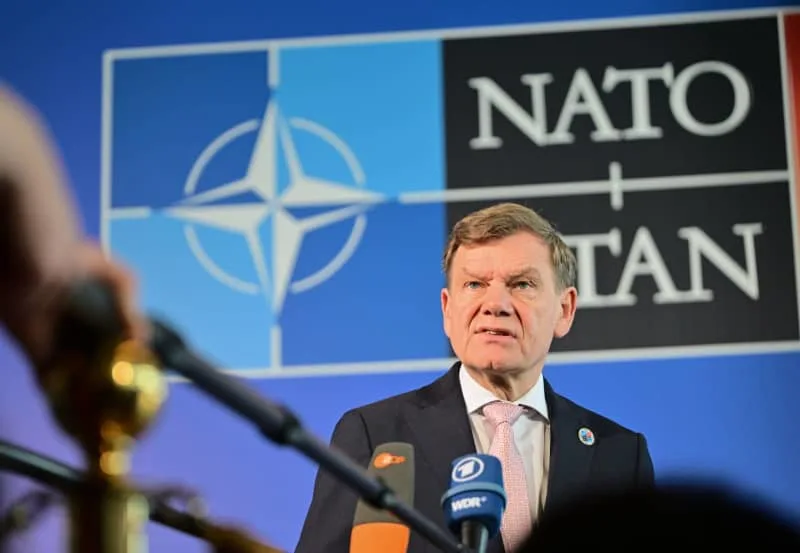
Germany’s Foreign Minister Stresses Link Between German and Baltic Security Amid Rising Russian Threats

Germany’s Foreign Minister Johann Wadephul emphasized on Thursday that the security of the Baltic countries and Germany are closely connected and inseparable. Speaking ahead of a visit to Tallinn, Estonia, Wadephul pledged stronger cooperation between Germany and the Baltic states to counter what he described as a mix of conventional and unconventional attacks from Russia.
Germany and Baltic States Unite Against Security Threats
Wadephul highlighted the need for joint efforts to address the growing security challenges in the region. He pointed out that Russia’s tactics combine traditional military threats with hybrid methods, including cyberattacks and misinformation campaigns, creating a complex security environment.
The German minister’s visit to Tallinn underlines Berlin’s commitment to supporting its Baltic neighbors and enhancing regional defense cooperation within the framework of NATO and the European Union.
Strengthening Regional Cooperation
As tensions with Russia remain high, Germany and the Baltic states are working together to improve intelligence sharing, military readiness, and resilience against non-military threats.
Wadephul’s remarks reflect broader Western concerns about maintaining security and stability in Eastern Europe, particularly in countries bordering Russia.
The Importance of Solidarity in Europe
The connection between Germany and the Baltic states’ security is a message of solidarity amid geopolitical uncertainties. By reinforcing ties and working collaboratively, both sides aim to deter aggression and protect their shared interests.
Germany’s commitment to Baltic security sends a strong signal of unity, underscoring the importance of collective defense in the face of evolving threats.

