

“Made for Germany” Alliance Commits Massive Funds to Revitalize Economy
In a significant move to rejuvenate Germany’s economy, the newly formed “Made for Germany” alliance has announced a pledge of €631 billion in investments over the next three years. This massive commitment comes as German leaders, including Chancellor Friedrich Merz, actively seek to stimulate growth amid global economic uncertainties and domestic challenges.
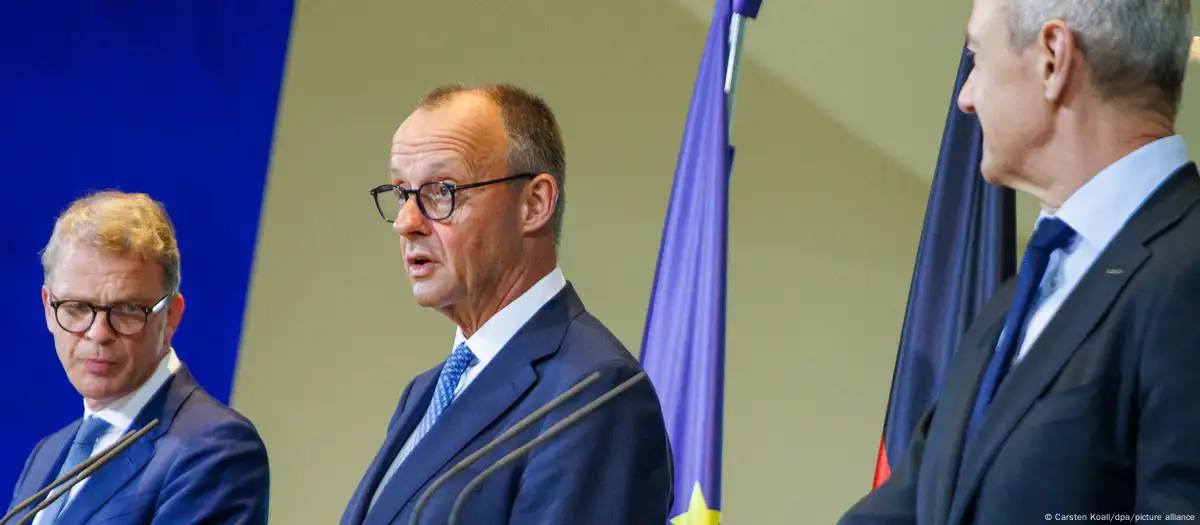
The announcement, made during a high-profile meeting in Berlin, signals a renewed confidence among German industry leaders and government officials in the country’s economic future.
The Context: Why This Investment Matters Now
Germany, Europe’s largest economy, has faced several headwinds in recent years:
- Global supply chain disruptions due to the COVID-19 pandemic
- Economic fallout from the Ukraine conflict affecting energy prices and trade
- Inflationary pressures squeezing both consumers and businesses
- The ongoing energy transition requiring significant capital expenditure
Against this backdrop, the German government, led by Chancellor Merz, has been under pressure to create a favorable environment for businesses to invest and innovate.
The “Made for Germany” alliance is seen as a strategic response to these challenges, aiming to bolster industries, secure jobs, and maintain Germany’s competitiveness on the world stage.
What Is the “Made for Germany” Alliance?
The alliance brings together some of the country’s biggest corporations and key stakeholders across various sectors, including manufacturing, technology, energy, and infrastructure.
The pledge of €631 billion encompasses investments in:
- Technological innovation and digitalization
- Expansion and modernization of manufacturing facilities
- Renewable energy projects and green technologies
- Infrastructure development to support economic growth
- Workforce training and development initiatives
This collaborative approach reflects a shared commitment to long-term sustainable growth and resilience.
Chancellor Friedrich Merz’s Role and Vision
At the heart of this initiative is Chancellor Friedrich Merz, who has prioritized economic revival as a central goal of his administration.
Meeting with top executives in Berlin, Merz emphasized the importance of:
- Creating a business-friendly climate to attract and retain investment
- Addressing regulatory hurdles to accelerate project implementation
- Supporting Germany’s transition to a carbon-neutral economy by 2045
- Ensuring that the country remains a global leader in innovation and manufacturing
Merz’s engagement signals strong government backing for the investment plans, fostering greater public-private cooperation.
Sector-Wise Breakdown of Investment Focus
1. Technology and Digital Transformation
Germany aims to enhance its position as a global technology hub by investing heavily in:
- Artificial intelligence (AI) and machine learning
- Industry 4.0 manufacturing technologies
- 5G and next-generation communication networks
- Cybersecurity and data infrastructure
These investments will help German companies modernize operations and compete with international rivals, especially in Asia and North America.
2. Renewable Energy and Sustainability
With climate change at the forefront, a significant portion of the funds is earmarked for green projects, including:
- Wind and solar power expansion
- Energy storage solutions and smart grids
- Hydrogen technology development
- Energy efficiency improvements in industrial processes
These initiatives support Germany’s ambitious climate targets and reduce dependence on fossil fuels.
3. Manufacturing and Industrial Modernization
Germany’s traditional manufacturing base remains a critical pillar of the economy. Investments will focus on:
- Upgrading plants with state-of-the-art machinery
- Automating production lines to improve efficiency
- Expanding capacity to meet both domestic and export demand
- Strengthening supply chains to mitigate future disruptions
4. Infrastructure and Workforce Development
Infrastructure projects aimed at improving transportation, logistics, and urban development are part of the investment agenda, along with:
- Training programs to equip workers with skills for new technologies
- Enhancing research and development (R&D) collaboration between academia and industry
- Encouraging innovation clusters and startup ecosystems
Economic Impact and Expectations
The €631 billion investment is expected to have far-reaching effects on Germany’s economy:
- Job creation: Thousands of new jobs in high-tech, manufacturing, and green sectors
- Boost to GDP growth: Increased productivity and output from modernized industries
- Enhanced global competitiveness: Positioning Germany as a leader in sustainable technologies and innovation
- Strengthened energy security: Reduced vulnerability to external energy shocks
Economists and business leaders have welcomed the initiative, though some caution that execution will be key to realizing the full benefits.
Challenges Ahead
While the pledge is ambitious, several challenges must be navigated:
- Regulatory delays: Lengthy approval processes could slow project starts
- Supply chain bottlenecks: Continued global disruptions may affect material availability
- Skilled labor shortages: Germany will need to address workforce gaps to support growth
- Geopolitical risks: External factors such as trade tensions and conflicts could impact plans
Government and industry cooperation will be critical in overcoming these hurdles.
What This Means for German Citizens and Businesses
For everyday Germans, the investment drive promises:
- Improved job prospects and wage growth
- Access to cutting-edge products and technologies
- Progress toward cleaner air and a healthier environment
- A stronger economy that can withstand future shocks
Businesses can expect a more supportive environment for innovation and expansion, backed by government incentives and infrastructure upgrades.
A New Chapter for Germany’s Economy
The “Made for Germany” alliance’s €631 billion investment pledge marks a bold step toward economic revitalization amid challenging times. With Chancellor Friedrich Merz’s leadership and active engagement from industry leaders, Germany aims to secure its future as a global economic powerhouse—innovative, sustainable, and resilient.
The coming years will reveal how effectively this ambitious plan translates into tangible growth and prosperity for Germany and its people.

