
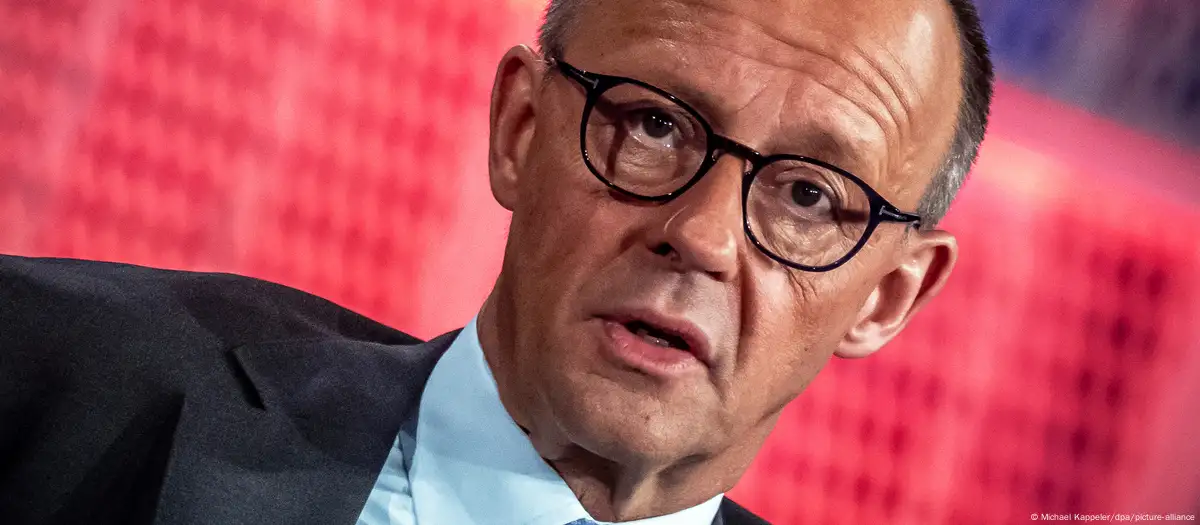
Germany’s Chancellor Merz Calls on Top CEOs to Boost Investment Amid Economic Slump

Chancellor Merz Meets German Business Leaders to Ignite Investment Drive
Chancellor Friedrich Merz is hosting a high-profile meeting with executives from some of Germany’s largest companies in Berlin today, aiming to kickstart new investment and revive the country’s sluggish economy after two consecutive years of recession.
The gathering, which includes around 30 major firms such as Siemens and Deutsche Bank, will showcase projects under the government’s “Made for Germany” initiative. This program is designed to inspire confidence and encourage businesses to invest heavily in infrastructure, technology, and climate innovation to stimulate economic growth.
Germany’s Economic Challenge: Recession and Recovery
Germany, Europe’s largest economy, has faced economic headwinds stemming from global inflation, supply chain disruptions, energy price shocks, and geopolitical uncertainties. These challenges contributed to two years of economic contraction, undermining growth prospects and putting pressure on jobs and public finances.
In response, the government has rolled out a multi-pronged strategy, including:
- Billions of euros in tax relief for companies and consumers
- A massive €500 billion ($580 billion) fund dedicated to infrastructure upgrades and climate initiatives
Despite this, Chancellor Merz has emphasized that public funds alone cannot solve the problem, and private sector investment is essential for a sustainable economic turnaround.
“Made for Germany”: Rallying Industry for Growth
The “Made for Germany” campaign is central to Merz’s efforts to position Germany as a global leader in innovation and sustainable development. At today’s event, companies will outline plans to:
- Expand manufacturing and technology capabilities
- Invest in renewable energy projects
- Strengthen digital infrastructure and AI development
- Boost job creation across sectors
Merz told AFP and other news agencies that collaboration between government and industry is vital.
“We need strong partnerships with our business leaders to breathe new life into our economy and secure Germany’s future,” he said.
Key Participants and Expected Announcements
Among the industry heavyweights attending are:
- Siemens, a global industrial powerhouse focused on electrification and automation
- Deutsche Bank, Germany’s largest banking institution
- Volkswagen and other automotive leaders known for shifting towards electric vehicles
- Leading energy firms pushing green technologies
Several companies are expected to unveil major investment projects, signaling confidence in Germany’s future economic prospects and contributing to the government’s climate goals.
Why Private Investment Matters Now
While government spending helps create a foundation, private sector investment:
- Drives innovation and productivity improvements
- Enables companies to scale new technologies quickly
- Creates sustainable, high-quality jobs
- Reduces reliance on government stimulus over time
Merz’s message is clear: only with robust industry participation can Germany escape recession and position itself competitively in the global economy.
Broader European and Global Context
Germany’s economic health is crucial not only domestically but for the broader European Union, given its role as the continent’s economic engine. Success in revitalizing German investment would have ripple effects, boosting trade, innovation, and growth across the region.
Globally, Germany faces competition from the US, China, and other economies aggressively investing in technology and infrastructure, heightening the urgency to act.
What to Watch Next
- Updates on investment pledges and new projects from today’s meeting
- Progress on the government’s €500 billion fund allocations
- Economic data indicating Germany’s recovery trajectory in the coming months
- Policy changes or incentives introduced to sustain private sector enthusiasm
Final Thoughts
Chancellor Merz’s high-stakes meeting signals a pivotal moment for Germany’s economy. By rallying major businesses to invest in future-focused projects, the government hopes to reverse recessionary trends and secure long-term prosperity — but success depends on convincing CEOs that the time to act is now.

