
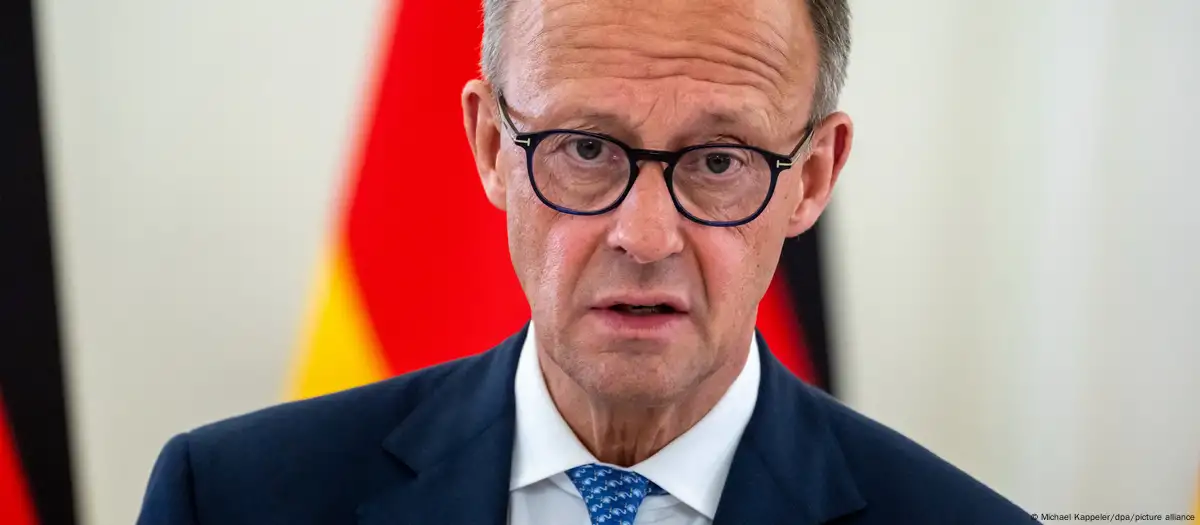
Germany Updates: Chancellor Friedrich Merz Heads to Finland for Nordic Summit Amid Citizenship Debate

Friedrich Merz Travels to Finland for Key Nordic Summit
German Chancellor Friedrich Merz is currently in Turku, Finland, attending a high-level summit with Nordic leaders. This meeting comes as Germany seeks to strengthen cooperation with its northern European neighbors on various issues, including security, climate policy, and economic collaboration.
The summit provides an important platform for Merz to discuss shared challenges, foster regional unity, and reinforce Germany’s role within the broader European context.
Focus of the Nordic Summit: Security, Climate, and Cooperation
As global tensions and environmental concerns grow, the Nordic countries and Germany are prioritizing discussions on security cooperation, energy transition, and sustainable development.
Given Finland’s recent accession to NATO and the evolving geopolitical landscape in Europe, the summit carries significant weight in shaping regional policies.
Chancellor Merz’s participation signals Germany’s commitment to these issues and its intent to build stronger partnerships with Nordic nations.
Domestic Debate: Greens Criticize Proposed Changes to Citizenship Fast Track
Back home, Germany is witnessing a heated debate over citizenship policies. The Greens have voiced strong opposition to the government’s plan to eliminate the fast track process for obtaining German citizenship.
The fast track has been seen by many as a crucial pathway for immigrants and their families to integrate fully into German society. Critics argue that removing it would slow integration and create additional barriers for newcomers.
The Greens emphasize the importance of inclusive immigration policies that support social cohesion and economic growth, contrasting with the government’s proposed stricter approach.
What the Changes Could Mean for Immigrants
The proposed abolition of the citizenship fast track would likely extend waiting periods and complicate the naturalization process for many immigrants. This change has sparked concerns from immigrant communities, advocacy groups, and some political factions who fear it could undermine Germany’s reputation as a welcoming nation.
Proponents of the change argue it would strengthen citizenship requirements and ensure deeper commitment from applicants. The debate highlights the ongoing balancing act Germany faces between integration and regulation.
Chancellor Merz’s Balancing Act: International Diplomacy and Domestic Policy
While engaging in important international dialogues in Finland, Chancellor Merz must also navigate sensitive domestic issues like immigration reform. How the government manages these competing priorities will influence public perception and political stability.
The Nordic summit and citizenship debate together illustrate the complex environment in which Germany’s leadership operates — managing global alliances while addressing local concerns.
Germany at a Crossroads in Europe and at Home
Chancellor Friedrich Merz’s trip to Finland for the Nordic summit underscores Germany’s proactive role in European affairs amid shifting geopolitical challenges.
Simultaneously, the domestic controversy over citizenship fast track reforms reflects broader societal questions about identity, integration, and national values.
As Germany moves forward, finding consensus on these issues will be key to maintaining both strong international relationships and a cohesive domestic society.

