
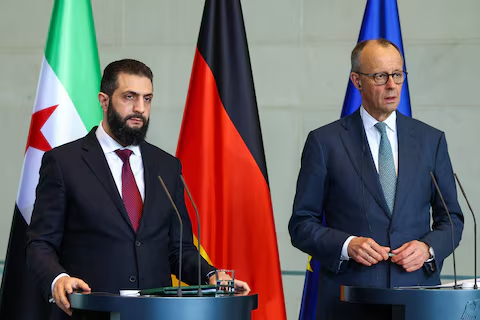

Germany may be preparing for a significant shift in its refugee policy. Chancellor Friedrich Merz has announced that Berlin is looking to work with Syria to facilitate the return of Syrian refugees.
The proposal focuses on helping hundreds of thousands of Syrians currently living in Germany return to their home country, where they could contribute to rebuilding efforts after years of conflict.
A New Approach to Refugee Policy
Moving Toward Repatriation
Germany has been one of the largest hosts of Syrian refugees since the outbreak of the Syrian Civil War. Over the years, many Syrians have settled in the country, building new lives.
Now, the government is exploring a different path—encouraging voluntary returns in cooperation with Syrian authorities.
Focus on Reconstruction
According to Merz, returning refugees could play a key role in rebuilding Syria. With skills, education, and experience gained abroad, they may help support economic recovery and infrastructure development.
Why This Proposal Is Significant
A Shift in Policy Direction
Germany’s refugee policy has largely focused on integration and long-term settlement. This new approach signals a possible shift toward:
- Encouraging returns rather than permanent stay
- Linking migration policy with international development
- Coordinating directly with countries of origin
Changing Political and Social Pressures
The move also reflects growing domestic debates around migration, integration, and public resources. Rising political pressure has pushed leaders to explore new solutions.
Challenges Ahead
Safety and Stability Concerns
One of the biggest questions is whether Syria is safe enough for large-scale returns. Critics argue that:
- Many regions remain unstable
- Infrastructure is still damaged
- Political conditions are uncertain
Ensuring the safety and dignity of returning refugees will be crucial.
Voluntary vs Forced Returns
Another key issue is whether returns will be truly voluntary. International standards emphasize that refugees should not be forced to return to unsafe conditions.
The success of the plan will depend on how it is implemented and whether refugees are given genuine choice.
Potential Impact on Refugees
Opportunities and Risks
For some refugees, returning home may be appealing—especially if conditions improve and opportunities arise.
However, others may:
- Have built stable lives in Germany
- Be concerned about safety back home
- Prefer to remain where they have established roots
This makes the issue deeply personal and complex.
Broader Implications
For Germany
If implemented, the policy could:
- Reduce pressure on public services
- Reshape migration debates
- Influence future immigration strategies
For Syria
An influx of returning citizens could:
- Boost the workforce
- Support rebuilding efforts
- Create new economic activity
However, it would also require significant infrastructure and planning.
What Happens Next?
The proposal is still in its early stages. Discussions between Germany and Syria will determine:
- The framework for cooperation
- Conditions for safe return
- Support systems for returning refugees
Any agreement will likely take time and involve international oversight.
Final Thoughts
Germany’s plan to work with Syria on refugee returns marks a potentially major shift in migration policy. While the idea of contributing to Syria’s reconstruction is compelling, the challenges surrounding safety, consent, and logistics are significant.
As discussions continue, the focus will remain on balancing humanitarian responsibilities with political and economic realities.

