
Germany Sends Powerful New Weapons to Ukraine as U.S. Envoy Holds Surprise Talks in Russia

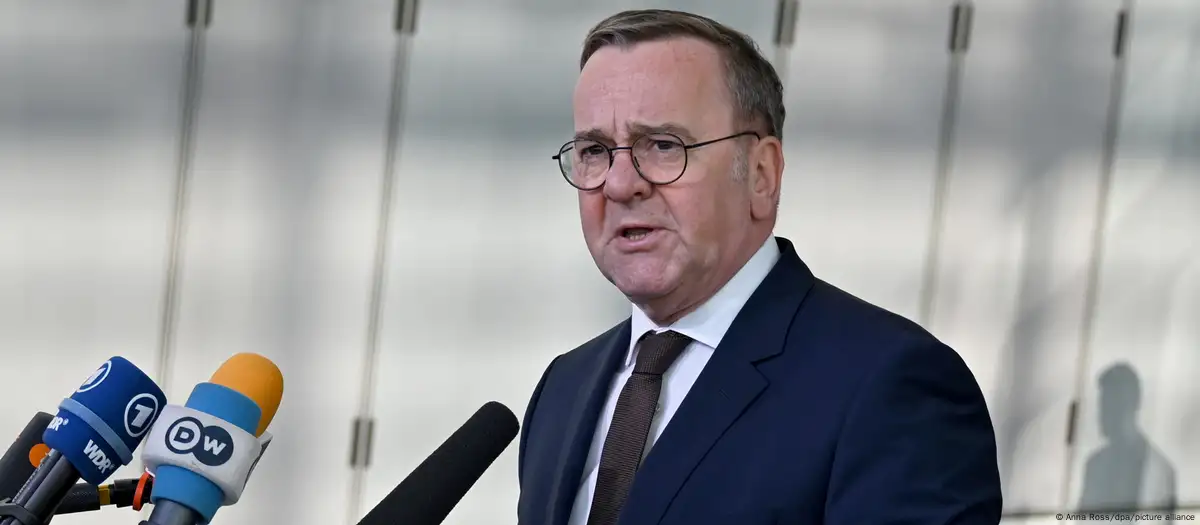
As the war in Ukraine grinds on, Germany has stepped up once again—announcing a fresh wave of military aid to support Kyiv’s fight against Russian aggression. The pledge was made during a high-stakes meeting of NATO defense ministers, signaling that Western support for Ukraine is not just holding strong, but intensifying.
At the same time, an unexpected twist unfolded: U.S. special envoy Steve Witkoff was spotted in Moscow, quietly holding talks with Russian officials. Could this be a backchannel move to cool tensions—or something else entirely?
Here’s what we know about Germany’s latest military package, and why the U.S. envoy’s trip to Russia is raising eyebrows.
Germany Doubles Down on Support: More Weapons for Ukraine
At a NATO defense summit held at the alliance’s Brussels headquarters, Germany announced a new round of military aid to Ukraine, reaffirming its commitment to help Kyiv defend itself against Russia’s ongoing invasion.
While the full details of the package are still unfolding, officials confirmed it will include:
- Advanced weapons systems
- Air defense equipment
- Additional vehicles and logistics support
- Surveillance and drone technology
Germany’s Defense Minister emphasized that the new aid is “designed to strengthen Ukraine’s resilience on the battlefield and support its right to self-defense under international law.”
This announcement makes Germany one of the top European contributors of military assistance to Ukraine—a remarkable shift from the country’s traditionally cautious defense policy.
Why Now? Timing and Strategy Behind the New Aid
The timing of Germany’s announcement is key. With Russia intensifying attacks in eastern Ukraine and Ukraine’s counteroffensive facing supply challenges, the need for fresh equipment has become urgent.
The package comes at a moment when Ukrainian President Volodymyr Zelenskyy has been pressing allies for more support—particularly advanced systems that can help push back against missile strikes and drone assaults.
NATO Secretary General Jens Stoltenberg praised the move, saying it “sends a clear message to Moscow: NATO will stand with Ukraine for as long as it takes.”
Public Opinion in Germany: A Shift Toward Action
Interestingly, the move also reflects shifting public and political sentiment within Germany. Early in the war, there was intense debate in Berlin over whether providing weapons to Ukraine might escalate the conflict. But recent polling shows a growing majority of Germans now support military aid, especially as reports of Russian war crimes and civilian suffering continue to dominate the headlines.
Germany’s leadership appears to be responding to both domestic pressure and international expectations to take on a bigger role in the defense of European values and security.
Meanwhile in Moscow: U.S. Envoy Steve Witkoff Makes a Surprise Visit
In a parallel development that’s turning heads in diplomatic circles, U.S. special envoy Steve Witkoff was seen in Russia this week, reportedly holding discreet meetings with senior Russian officials. The nature of the talks remains mostly under wraps, but sources suggest they were focused on reducing the risk of escalation and keeping diplomatic channels open—even as military tensions flare.
While the U.S. State Department has been tight-lipped about the visit, a senior official described it as “routine dialogue aimed at risk management.”
Still, the timing is intriguing. Could Witkoff’s visit be a sign that Washington is testing the waters for a potential future negotiation framework? Or is it simply a reminder to Moscow that the West is watching closely and prepared to act if red lines are crossed?
What This Means for the Battlefield in Ukraine
Germany’s new aid package is expected to bolster Ukraine’s ability to defend key cities and infrastructure, particularly against Russia’s drone and missile attacks. Military analysts say the new systems could improve Ukrainian capabilities in several ways:
- Better interception of aerial threats
- More accurate targeting and intelligence gathering
- Improved troop mobility on difficult terrain
While no single weapons package will end the war, this latest round of support could make a critical difference on the front lines—especially if other NATO allies follow suit.
Already, several countries including France and the U.K. have pledged to increase their own military contributions in the coming weeks.
Russia’s Reaction: Business as Usual or Signs of Concern?
As expected, Russia dismissed Germany’s new aid pledge as “hostile” and accused NATO of escalating the war. Kremlin officials reiterated that Western military support for Ukraine would “only prolong the conflict.”
But behind the usual tough rhetoric, there are signs that Moscow is feeling the pressure. The need to meet with a U.S. envoy at all suggests that, even if backchannel diplomacy isn’t leading to peace yet, both sides are wary of letting tensions spiral completely out of control.
The Bigger Picture: NATO Unity and Long-Term Strategy
Germany’s latest move is about more than just weapons—it’s about unity. NATO has made it clear that the alliance is in this for the long haul. By making these public pledges, countries like Germany are demonstrating their commitment not just to Ukraine, but to the broader stability of Europe.
Defense ministers at the Brussels meeting also discussed:
- Increasing defense budgets across member states
- Expanding weapons manufacturing to meet demand
- Strengthening NATO’s eastern flank near Russia
These steps signal a shift from short-term crisis response to long-term strategic planning—preparing for the possibility that the war could drag on, or even expand.
War, Diplomacy, and What Comes Next
Germany’s decision to send new military aid to Ukraine, paired with the quiet diplomacy unfolding in Moscow, paints a complex picture. On one hand, Western allies are stepping up support to ensure Ukraine doesn’t falter. On the other, behind closed doors, there are signs of diplomatic engagement designed to prevent the conflict from spiraling further out of control.
Whether these twin tracks—military aid and diplomacy—will eventually lead to peace remains uncertain. But for now, the message from Berlin is loud and clear: Ukraine is not alone.

