
Germany Plans to Invest 10 Billion Euros in Civil Protection by 2029: A Major Step Toward Disaster Preparedness

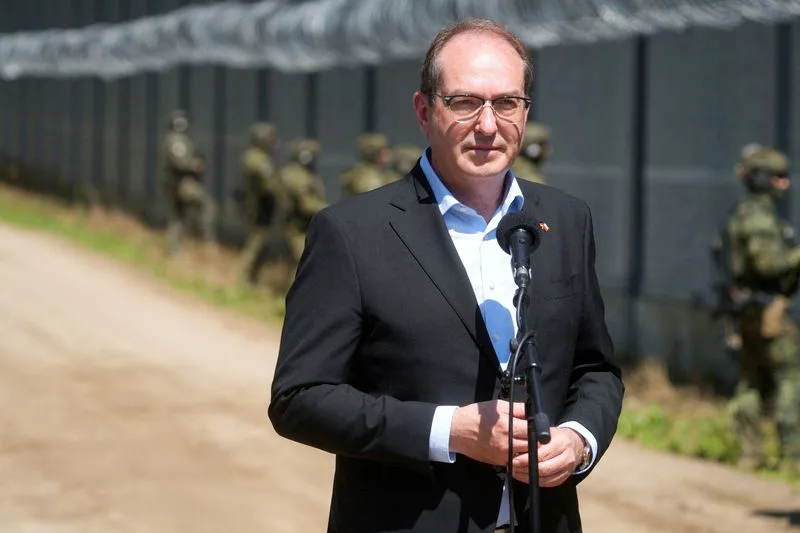
Germany is set to make a significant investment in its disaster management and civil protection capabilities over the next few years. Interior Minister Alexander Dobrindt announced that the government plans to allocate 10 billion euros (about $12 billion) by 2029 to strengthen its emergency response infrastructure and better prepare for natural and man-made crises.
The announcement, made during an interview with the German newspaper Bild, underscores the growing need for robust civil protection systems as the country faces increasing challenges from climate change, extreme weather events, cyber threats, and geopolitical instability.
Why Germany Is Investing in Civil Protection
Recent years have shown how vulnerable even well-developed countries can be when disaster strikes. From unprecedented floods in Western Europe to heatwaves and wildfires, Germany has been grappling with the impacts of climate-related emergencies. At the same time, cyberattacks targeting critical infrastructure and tensions across Europe have highlighted the need for a coordinated and resilient civil protection framework.
Minister Dobrindt’s statement makes it clear that the government recognizes these threats and is committed to bolstering the country’s ability to respond quickly and effectively. The 10 billion euro investment will cover a wide range of areas, including emergency equipment, training, infrastructure upgrades, and the modernization of communication and coordination systems used by first responders.
In his interview, Dobrindt emphasized that civil protection is not just about reacting to disasters—it’s about preparing for them. “We must strengthen our systems, not only to react but to prevent damage and protect lives,” he stated, pointing to how interconnected risks require proactive planning and resilient infrastructure.
What the Investment Will Cover
Although the minister’s interview did not outline every detail, experts expect the funding to support critical areas, such as:
- Modernizing Emergency Equipment
Outdated equipment has long been a concern in Germany’s disaster management framework. New investments are likely to prioritize vehicles, communication tools, and medical supplies for emergency services. - Building Resilient Infrastructure
Flood defenses, early warning systems, and disaster shelters will be key areas for infrastructure upgrades. Climate adaptation measures will also play a role in ensuring communities are better protected. - Enhancing Cybersecurity Measures
With cyber threats on the rise, protecting digital infrastructure that supports everything from hospitals to transport systems will be crucial. - Training and Coordination
Civil protection requires seamless collaboration between federal agencies, state authorities, and local communities. Investment in training programs and simulation exercises will ensure that response teams are prepared when disaster strikes. - Support for Vulnerable Populations
Emergency preparedness also involves ensuring that older adults, people with disabilities, and economically disadvantaged groups have access to the resources and information needed during crises.
A Response to Global Trends
Germany’s announcement mirrors a broader trend seen around the world. Countries are investing more in disaster preparedness as extreme weather events and security risks become more frequent. Governments are realizing that prevention and readiness are far more cost-effective than recovery and reconstruction.
The European Union has also been focusing on strengthening its collective disaster response capabilities, with member states encouraged to share expertise, technology, and resources. Germany’s investment is expected to serve as a model and may prompt other nations to review their civil protection strategies.
Balancing Climate Change and Security Risks
The investment comes at a time when Germany is balancing multiple, interconnected risks. Climate change has been linked to rising temperatures, unpredictable rainfall patterns, and increasing incidents of droughts and wildfires. Simultaneously, geopolitical instability—especially in Eastern Europe—has heightened concerns about energy supply disruptions and cross-border emergencies.
By combining climate resilience with security preparedness, Germany’s civil protection strategy reflects a holistic approach. Experts suggest that integrating technological innovations, such as artificial intelligence for forecasting and drones for search and rescue, will be key to improving response times and reducing damage.
What This Means for Citizens
For ordinary citizens, this investment means greater confidence that their communities will be better equipped to handle emergencies. Faster response times, improved infrastructure, and more accessible communication tools will make a tangible difference when disaster strikes.
Moreover, it signals that the government is taking citizens’ safety seriously, fostering trust between the public and emergency services. Disaster preparedness plans are often developed without sufficient public awareness, but Dobrindt’s announcement may prompt broader community engagement and participation in resilience-building initiatives.
Challenges Ahead
Despite the ambitious plan, implementing a 10 billion euro investment will require coordination at multiple levels. Funding allocations must be transparent, efficient, and flexible enough to respond to emerging threats.
Additionally, while technology can enhance disaster response, it cannot replace human expertise, community involvement, and local knowledge. Experts warn that investing in people—through training, education, and community networks—will be just as important as upgrading equipment and infrastructure.
Looking Forward
Germany’s decision to invest heavily in civil protection by 2029 is a clear acknowledgment of the risks modern societies face and the responsibility governments have to mitigate them. With increasing threats from climate change and cyber warfare, nations must rethink how they prepare for crises.
By prioritizing resilience, technological innovation, and human collaboration, Germany is setting a standard for emergency preparedness that others may soon follow. For citizens, the initiative offers reassurance that their safety and well-being remain at the forefront of national planning.
The next few years will be crucial in translating this investment into real-world solutions, but the message is clear: safeguarding lives, communities, and infrastructure must remain a top priority in an uncertain and ever-changing world.

