
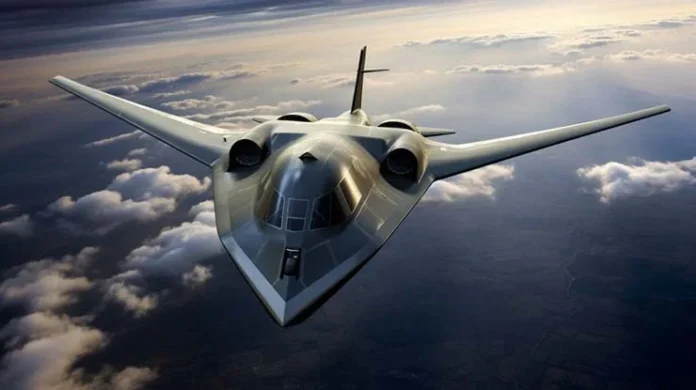
Germany Moves Forward with Plans for Deep-Strike Combat Drones, Reports Handelsblatt

German Military Plans to Develop Long-Range Strike Drones
The German armed forces are preparing to develop and deploy long-range combat drones designed to strike deep inside enemy territory, according to a report from the German newspaper Handelsblatt published on Monday.
This development marks a significant step in modernizing Germany’s military capabilities, reflecting growing concerns about future conflicts and the need to keep pace with advanced drone technologies seen in other countries.
Why Germany Is Investing in Deep-Strike Drone Technology
As the nature of warfare evolves, unmanned aerial vehicles (UAVs), or drones, have become central to modern military strategies worldwide. Drones offer the ability to conduct surveillance, gather intelligence, and carry out precise strikes without risking pilot lives.
Germany’s defense ministry has recognized that to maintain operational effectiveness and strategic deterrence, it must develop combat drones capable of long-range missions. These deep-strike drones would allow the German military to hit high-value targets far beyond front lines, disrupting enemy command centers, supply routes, or critical infrastructure.
Handelsblatt’s Report Details
According to Handelsblatt, the German armed forces are in the early stages of planning and conceptualizing these drone systems. The exact specifications, timelines, and budgets have not been publicly disclosed, but the report suggests the project is part of a broader push to upgrade Germany’s defense posture amid increasing geopolitical uncertainty.
The development aims to provide the German army with:
- Enhanced reach: Ability to engage targets hundreds of kilometers inside hostile territory.
- Precision strikes: Using advanced targeting and guidance systems for high accuracy.
- Reduced risk to personnel: Unmanned missions minimize human casualties.
Context: Germany’s Military Modernization Efforts
This announcement fits into a wider trend of military modernization across NATO countries, including Germany’s own efforts to increase defense spending and capabilities following Russia’s invasion of Ukraine in 2022.
Germany has faced criticism in the past for underinvestment in defense, but recent policy changes have led to increased funding, including a historic €100 billion special fund to upgrade the Bundeswehr (German armed forces).
Integrating deep-strike drones into the military arsenal would give Germany:
- A technological edge in reconnaissance and attack missions.
- Greater strategic flexibility in future conflicts.
- The ability to collaborate more effectively with allies who already operate advanced drone systems.
Germany’s Drone Landscape So Far
Currently, Germany employs drones primarily for reconnaissance and surveillance purposes rather than offensive operations. For example, the Euro Hawk and smaller tactical drones help gather battlefield intelligence.
The move toward developing long-range combat drones represents a shift to an offensive capability, similar to what countries like the United States, Turkey, and Israel have already pioneered.
Strategic Implications for Europe and NATO
Germany’s decision to pursue deep-strike drones will have implications beyond its borders. As a key NATO member, Germany’s enhanced drone capabilities will contribute to the alliance’s overall deterrence and defense strategies, particularly in Eastern Europe where tensions remain high.
Moreover, this development may encourage other European nations to accelerate their own drone programs, increasing the pace of military innovation on the continent.
Challenges Ahead: Technology, Ethics, and Regulation
Developing such advanced drones is not without challenges. Technological hurdles include creating reliable long-range communications, ensuring secure data links, and integrating AI-driven targeting systems.
There are also ethical and legal questions around the use of autonomous or semi-autonomous drones for lethal strikes, especially regarding accountability and civilian safety.
Germany will need to navigate these issues carefully, balancing military necessity with international law and public scrutiny.
What’s Next for Germany’s Drone Program?
While still in the early phases, the report by Handelsblatt suggests Germany is serious about establishing a program for deep-strike drones. The next steps will likely involve:
- Detailed feasibility studies and technology assessments.
- Budget allocations and potential collaboration with defense contractors.
- Discussions within the Bundestag (parliament) and with NATO partners.
It could take several years before operational deep-strike drones become a reality for the German armed forces.
A New Era for Germany’s Military Capabilities
Germany’s move to develop deep-strike combat drones signals a major evolution in its defense strategy, aligning with global trends in modern warfare.
By embracing drone technology for offensive missions, Germany is not only bolstering its national security but also contributing to NATO’s collective strength amid uncertain geopolitical conditions.
The success of this program will depend on technological innovation, strategic vision, and careful handling of ethical considerations — but one thing is clear: unmanned aerial combat will be a defining feature of the future battlefield, and Germany is preparing to be part of that future.

