
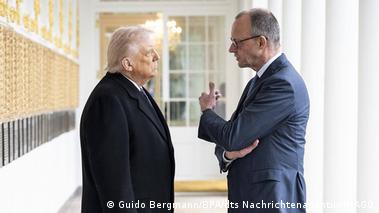

German Chancellor Friedrich Merz appears to be signaling a shift in Berlin’s approach to foreign policy, moving away from a strict focus on international law toward a more pragmatic, alliance-driven strategy. Traditionally, Germany has positioned itself as a defender of the rules-based international order, emphasizing legal frameworks, diplomacy, and multilateral cooperation. Recent developments suggest that this approach may be evolving in response to real-world geopolitical challenges.
From Legal Lectures to Pragmatic Alliances
Merz’s recent comments regarding the ongoing conflict with Iran highlight a new emphasis on practical outcomes over legal posturing. Rather than publicly questioning the legality of military actions by allies, Merz has emphasized the need to maintain strategic cohesion with partners and focus on concrete steps to limit the spread of conflict in the Middle East.
This pragmatic approach reflects a recognition that strict adherence to international law may not always align with urgent security priorities or the need for coordinated action among allies.
Balancing Security and Diplomacy
Under Merz, Germany is prioritizing security concerns and geopolitical stability while remaining engaged in diplomatic efforts. Berlin is actively coordinating with international partners to prevent the conflict from destabilizing the wider region.
The Chancellor has stressed the importance of preserving Iran’s territorial integrity and preventing state collapse, which could lead to uncontrolled migration, economic disruptions, and wider regional instability.
Implications for the Rules-Based Order
Merz’s stance reflects broader trends in global politics, where international law increasingly takes a backseat to realpolitik considerations. While Germany continues to support legal norms formally, the emphasis has shifted toward pragmatic cooperation and shared security objectives.
Critics argue that this approach risks undermining Germany’s traditional role as a moral authority in international relations. Supporters contend it is a necessary adaptation to a complex and unpredictable geopolitical environment, where rigid legal arguments may have little impact on the behavior of powerful states.
Strategic Considerations
Key factors influencing Germany’s shift include:
- Alliance Management: Maintaining strong ties with the United States and other strategic partners is central, even if it means downplaying legal critique.
- Regional Stability: Preventing escalation in the Middle East is prioritized over public discussions of legality.
- Humanitarian Concerns: Managing potential migration crises and economic fallout requires practical planning and coordination.
The Future of German Foreign Policy
Merz’s approach suggests that Germany may increasingly adopt a flexible, outcome-oriented foreign policy, where legal frameworks serve as guidance rather than absolute constraints. This shift could have long-term implications for Europe’s role in global governance and the perceived credibility of the rules-based international order.
While the traditional emphasis on international law has not disappeared, it is now balanced against immediate security needs, alliance cohesion, and pragmatic solutions to global crises.
Chancellor Friedrich Merz’s handling of the Iran crisis signals a notable shift in German foreign policy, moving from lecturing on international law toward prioritizing security, alliances, and practical outcomes. This pragmatic turn reflects the growing challenges of a complex world, where the old rules-based order is increasingly tested by real-world conflicts and geopolitical pressures.
Germany’s evolving approach will be closely watched, as it could redefine how one of Europe’s most influential nations balances law, diplomacy, and security in the years to come.

