

Strong Reaction from German Leadership
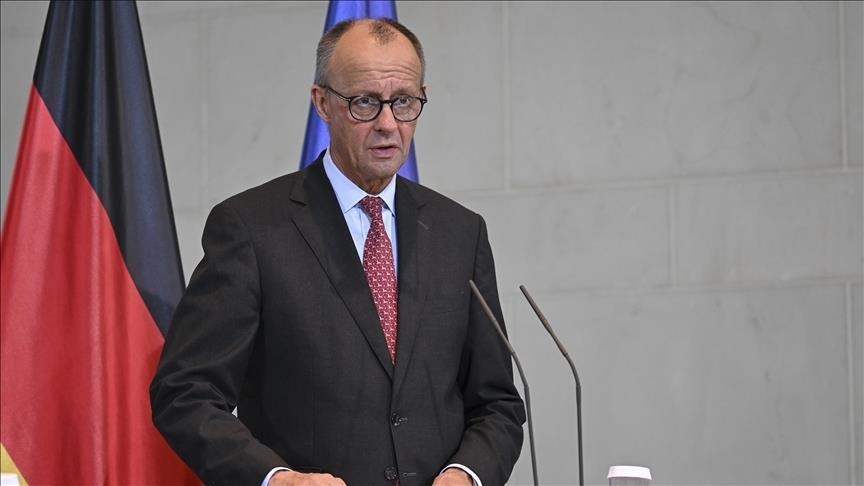
Germany’s top leaders have expressed sharp disapproval of Israel’s recent airstrike targeting Hamas operatives in Doha, Qatar. Chancellor Friedrich Merz and Foreign Minister Johann Wadephul described the attack as “unacceptable,” signalling deep concern over the incident’s impact on diplomatic relations and regional stability.
The statement, issued on Tuesday, reflects Germany’s commitment to international law and diplomatic protocols. Officials emphasised that military operations in a sovereign state without coordination or consent risk escalating tensions and undermining broader efforts toward peace and security in the Middle East.
What Happened in Doha?
Israel’s military strike in Qatar targeted locations linked to Hamas, the Palestinian political and militant group that has been at the centre of longstanding conflicts with Israel. The attack, carried out without prior notification to the Qatari government, raised alarms among international partners and observers.
Reports suggest that the operation aimed to dismantle key infrastructure used by Hamas for planning and communications. However, the attack’s timing and execution have drawn criticism from governments concerned about violations of sovereignty and the potential for wider geopolitical fallout.
Germany’s Official Position
Chancellor Merz and Foreign Minister Wadephul jointly condemned the action, stressing that any military operation on foreign soil must respect the rules of diplomacy and international cooperation.
In their statement, they said:
“This attack is unacceptable. Military actions of this nature undermine trust between nations and threaten efforts toward peace and dialogue. We call for restraint and renewed diplomatic engagement to avoid further escalation.”
The German government has also reached out to regional partners to express its concern and urge both sides to prevent the situation from spiralling into broader conflict.
International Law and Sovereignty at Stake
The strike has sparked debate among legal experts and policymakers about the implications for state sovereignty and cross-border military interventions. Qatar, as a sovereign nation, was neither consulted nor informed in advance, raising concerns about breaches of diplomatic protocol.
Germany’s response underscores its long-standing commitment to respecting national borders and international law. By condemning the strike, Berlin signals that unilateral military actions, particularly in politically sensitive regions, could destabilise global relations and hinder cooperation in combating terrorism and extremism.
Impact on Middle East Stability
The attack comes at a time of heightened tensions in the Middle East, with conflicts spanning from Gaza to Lebanon and beyond. Military actions that bypass diplomatic channels risk fuelling animosity, hardening political positions, and triggering retaliatory violence.
Germany’s leadership warned that without coordinated efforts, such incidents could undermine regional security frameworks and hinder peace negotiations aimed at addressing long-standing disputes between Israel and Palestinian groups.
Merz and Wadephul urged stakeholders to prioritise dialogue over confrontation and called for renewed multilateral efforts to tackle the root causes of extremism while safeguarding human rights and political freedoms.
Reactions from the Global Community
Germany’s condemnation is likely to be echoed by other European nations and global bodies concerned with maintaining diplomatic stability. Analysts predict that this episode may prompt calls for stricter guidelines on cross-border operations and greater involvement of international institutions such as the United Nations.
At the same time, the incident has also drawn attention to the complex relationship between national security concerns and international obligations. While Israel cites the need to neutralise terrorist threats, critics argue that unilateral military action undermines efforts to resolve disputes through negotiation.
What’s Next?
Germany’s government has pledged to engage with both Israeli and Qatari representatives to de-escalate tensions and explore avenues for dialogue. Berlin is also expected to coordinate with European partners to ensure a unified response that upholds the principles of sovereignty and international law.
Meanwhile, Qatar is reportedly reviewing its diplomatic stance and consulting with allies to determine how best to respond to the violation of its territory.
Experts believe that the coming weeks will be crucial in determining whether diplomatic channels can be reopened or if the attack will further entrench divisions in the region.
Germany’s condemnation of Israel’s strike in Doha signals a clear stance against unilateral military operations that disregard international norms and the sovereignty of nations. By describing the attack as “unacceptable,” Chancellor Merz and Foreign Minister Wadephul have reinforced the importance of diplomacy, multilateral cooperation, and adherence to global laws governing conflict.
As tensions mount in the Middle East, the international community’s response will be closely watched. Germany’s leadership is calling for restraint and dialogue, emphasising that peace can only be achieved through collaboration rather than confrontation.

