
Germany and Nigeria Strengthen Bilateral Ties in Economy, Energy, and Migration

A Strategic Partnership in the Making
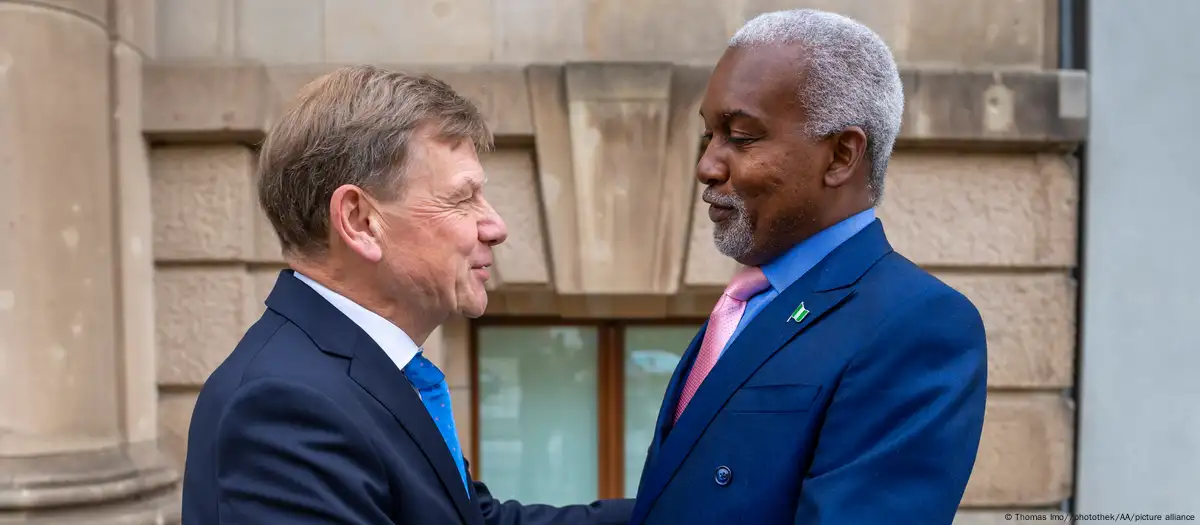
In a significant diplomatic development, Germany and Nigeria have pledged to deepen their bilateral relations, focusing on key areas such as economic cooperation, energy transition, and migration management. This commitment was formalized during a high-level meeting between German Foreign Minister Annalena Baerbock and Nigerian Foreign Minister Yusuf Tuggar in Berlin on May 21, 2025.
The partnership aims to leverage Germany’s technological expertise and Nigeria’s abundant natural resources to foster sustainable development, enhance energy security, and address migration challenges. This collaboration aligns with Germany’s broader strategy to strengthen ties with African nations, recognizing Africa’s pivotal role in global stability and prosperity.
Economic Cooperation: Building Resilient Trade Relations
Germany stands as Nigeria’s second-largest trading partner in sub-Saharan Africa, with robust investments spanning various sectors, including manufacturing, agriculture, and infrastructure. The two nations are working to expand these economic ties, focusing on areas that promise mutual benefits.
One notable initiative is the German-Nigerian Binational Commission, established in 2011, which encompasses working groups in business, energy, politics, culture, and migration. This platform facilitates ongoing dialogue and collaboration, ensuring that both countries can address emerging challenges and opportunities effectively.
Furthermore, Germany has been instrumental in supporting Nigeria’s industrial sector. German companies like BASF have invested in Nigeria’s manufacturing capabilities, establishing technology laboratories and waste treatment facilities. These investments not only contribute to Nigeria’s economic growth but also promote sustainable practices and environmental stewardship.
Energy Transition: Harnessing Renewable Resources
A cornerstone of the Germany-Nigeria partnership is collaboration in the energy sector, particularly in renewable energy and green hydrogen. Germany’s commitment to reducing its dependence on fossil fuels aligns with Nigeria’s potential to become a leader in renewable energy production.
The German-Nigerian energy partnership, initiated in 2008, has seen significant developments, including the establishment of a Hydrogen Office in Abuja in 2021. This office serves as a hub for advancing hydrogen technologies and fostering cooperation between the two countries.
Moreover, Germany has supported Nigeria’s efforts to rehabilitate and expand its electricity infrastructure. Through initiatives like the Presidential Power Initiative (PPI), Germany is assisting in upgrading Nigeria’s power transmission and distribution systems, aiming to improve electricity access and reliability across the country.
Migration Management: Creating Legal Pathways
Migration remains a critical issue for both Germany and Nigeria. Germany faces challenges related to irregular migration and the integration of migrants, while Nigeria seeks to provide better opportunities for its citizens and manage migration flows effectively.
To address these challenges, the two countries are exploring ways to expand legal migration pathways. This includes establishing migration centers in Nigeria to support the return and reintegration of Nigerian nationals from Germany. These centers would also provide advisory services to potential migrants, helping them navigate the legal requirements for migration and ensuring that their skills align with Germany’s labor market needs.
By focusing on legal migration channels, Germany and Nigeria aim to reduce irregular migration, enhance the protection of migrants’ rights, and promote sustainable development through skills transfer and capacity building.
Security and Regional Stability: Strengthening Collaborative Efforts
Beyond economic and migration issues, Germany and Nigeria are also collaborating on security matters, particularly in combating terrorism and promoting regional stability. Germany has been providing support to Nigerian security forces, assisting in training and equipping them to address threats from groups like Boko Haram and other extremist organizations.
This cooperation extends to broader regional initiatives aimed at stabilizing the Sahel region and promoting democratic governance. By working together, Germany and Nigeria contribute to peace and security in West Africa, which is essential for the overall stability of the continent.
A Partnership for the Future
The deepening of Germany-Nigeria relations marks a significant step toward building a strategic partnership that addresses contemporary global challenges. By focusing on economic cooperation, energy transition, migration management, and security, both nations are laying the groundwork for a resilient and mutually beneficial relationship.
As Germany looks to diversify its international partnerships and Nigeria seeks to harness its resources for sustainable development, this collaboration offers a model for how nations can work together to achieve shared goals. The commitment to this partnership reflects a recognition of the interconnectedness of today’s global issues and the need for cooperative solutions.
Looking ahead, the continued engagement between Germany and Nigeria holds the promise of fostering innovation, promoting sustainable development, and contributing to a more stable and prosperous world.

