
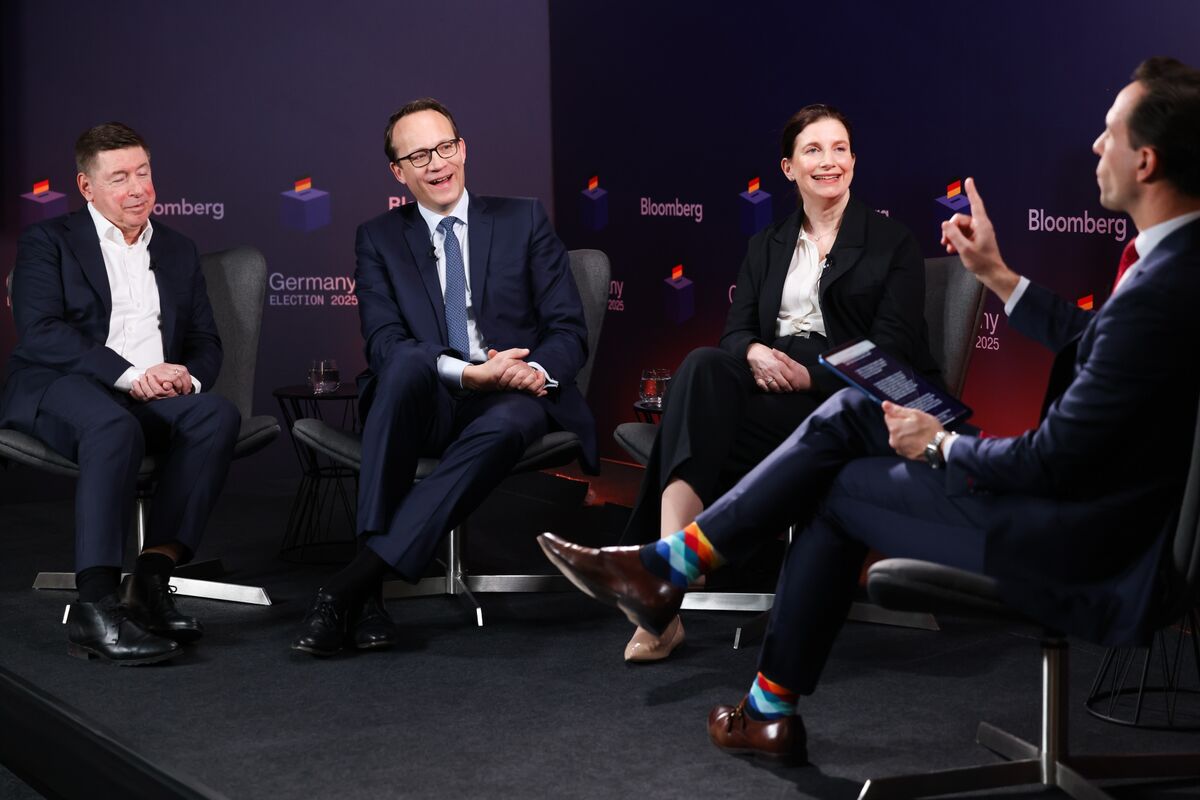

Germany’s economy, which has long been a pillar of stability in Europe, is showing signs of strain. With growth stagnating and a range of external challenges looming, top CEOs in Germany are urging policymakers to take urgent action to address the economic downturn. This call for reform is gaining momentum, with key business leaders making it clear that Germany must act now to avoid further decline.
The Economic Reality
Germany Faces Economic Stagnation
For months, Germany’s economy has been showing troubling signs of weakness. Growth has ground to a halt, with reports indicating zero growth for the year, and key industries are struggling to remain competitive. Rising energy prices, supply chain disruptions, and an increasingly tough global market have put a significant strain on Germany’s industrial base. The country’s role as an economic leader in Europe is under threat, and leaders from various sectors are growing increasingly vocal about the need for immediate change.
Calls for Urgent Reforms from Business Leaders
Top business executives are speaking out, stressing that Germany needs to take bold steps to regain its economic footing. From CEOs of multinational corporations to leaders of major industrial groups, the message is clear: Germany must modernize its policies, tackle inefficiencies, and invest in future growth if it is to maintain its economic influence in Europe and the world.
Business Leaders Share Their Concerns
Christian Klein, CEO of SAP
Christian Klein, CEO of SAP, has been vocal about the need for regulatory reform. He believes that excessive bureaucracy and outdated regulations are hindering innovation and stifling the growth of businesses. Klein has called for a business-friendly government that promotes digital transformation and fosters competitiveness on a global scale. He believes that swift action is crucial to turning things around.
BMW’s Vision for Economic Revival
At BMW, the focus is on creating a more competitive environment for businesses. BMW’s leadership emphasizes the importance of reducing taxes and streamlining regulations. A simpler and more efficient tax policy, they argue, would help Germany attract investment and allow businesses to thrive. Like many others, BMW calls for a policy overhaul to ensure Germany remains a leader in the global economy.
Peter Adrian, President of the German Chamber of Industry and Commerce
Peter Adrian has voiced his concerns over the widespread economic uncertainty in Germany. He points out that many voters are becoming disillusioned with the current state of the economy, and this discontent was evident in recent elections. Adrian argues that political leaders must act swiftly to implement reforms that will rejuvenate the industrial sector and restore investor confidence. He warns that failure to act could lead to political instability and even further economic decline.
The Urgency of Structural Reform
Overcoming Stagnation: The Need for Structural Change
Economists and industry leaders alike have highlighted the need for comprehensive structural reforms. Carsten Brzeski, Chief Economist at ING Bank, has warned that Germany’s economic stagnation is not just a temporary setback—it’s a structural issue that could lead to long-term problems if not addressed. Brzeski notes that without significant reforms, political consequences could follow, including the rise of populist parties that may worsen the situation.
Thorsten Groeger, head of IG Metall, Germany’s largest industrial union, has also emphasized the importance of investing in infrastructure, energy security, and education. According to Groeger, delays in these areas are already starting to hurt job creation and business investment. He insists that if these challenges aren’t addressed soon, the effects could be felt for years to come.
Proposed Solutions: The Call for a New Economic Agenda
Friedrich Merz’s Economic Plan
In response to growing concerns about Germany’s economic future, Friedrich Merz, leader of the Christian Democratic Union (CDU), has put forward his “Agenda 2030.” This ambitious plan aims for at least 2% annual economic growth by implementing a series of reforms. Some of the key points of Merz’s plan include:
- Tax Cuts: Merz proposes reducing the top corporate tax rate from 40% to 25% to incentivize investment and boost business activity.
- Social Policy Changes: He also suggests adjusting social policies, including cutting benefits for long-term unemployed individuals and refugees, with the goal of reallocating resources to more productive areas.
- Reducing Bureaucracy: Merz calls for simplifying the complex regulatory environment to make it easier for businesses to operate and invest in Germany.
While Merz’s plan has been met with some criticism, particularly concerning its social implications, it reflects the urgency with which many in the business community believe Germany must act.
Looking Forward: What’s at Stake?
Time is Running Out
The need for decisive action has never been more pressing. With growth stagnant, businesses struggling, and rising public discontent, Germany must take steps to address its economic challenges or risk a deeper crisis. The proposed reforms from business leaders and policymakers are not just suggestions—they are urgent calls for change. Without them, Germany may fall behind in the global economic race.
While the road to recovery may be long, the message is clear: Germany must reform its economic policies to stay competitive. If the country can implement the right changes quickly, it could emerge stronger, but the clock is ticking.
The Road Ahead
Germany’s top business leaders are sending a clear message: it’s time to act. The economy is at a crossroads, and immediate action is required to prevent further decline. The proposed reforms, if implemented, could spark a much-needed revival, but the challenges are substantial. Germany’s future prosperity depends on how quickly and effectively it addresses these pressing issues.
The question now is whether political leaders will heed the call and work together to restore Germany’s economic strength—or whether the country will continue to drift, risking its position as one of Europe’s economic giants.

