
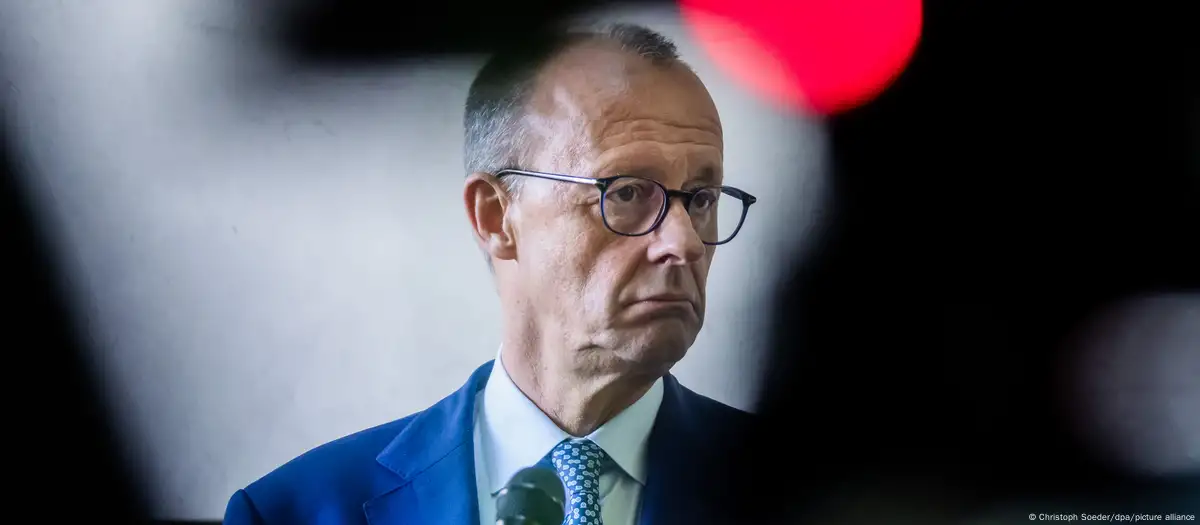

Germany’s political landscape is about to see a major shift, as Friedrich Merz, leader of the conservative CDU party, is set to become the country’s next chancellor. Known for his long and sometimes controversial career, Merz is a figure who has both challenged Germany’s political establishment and stirred debate with his policies.
But who exactly is Friedrich Merz? How did he rise to the top of German politics? And what can we expect from him as he prepares to lead Germany into the future? Let’s dive into his background and what makes him tick.
Friedrich Merz: A Brief History
Friedrich Merz has been a key figure in Germany’s conservative politics for decades. Born in 1955 in the western part of the country, he has spent much of his career balancing between the worlds of politics and business. His rise to prominence in the CDU (Christian Democratic Union) has been marked by a combination of ambition, strategy, and the occasional controversy.
Merz first gained national attention in the early 2000s when he served as a prominent member of the Bundestag, Germany’s federal parliament. He quickly became known for his strong conservative views, especially on economic matters. His focus on market-driven solutions, fiscal responsibility, and a reduced role for government in economic affairs earned him the reputation of being a “right-wing” figure within the CDU.
However, his political career hit a major roadblock in 2002 when he lost a leadership battle to Angela Merkel, the then-new leader of the CDU. This loss was a major turning point for Merz, who briefly stepped away from politics and moved into the business world, where he made a name for himself in corporate leadership.
But Merz wasn’t done with politics just yet. He made a comeback in the 2010s, returning to the CDU and eventually challenging Merkel’s leadership. His efforts were marked by a strong push for conservative values and a tough stance on issues like immigration, the European Union, and economic reforms.
The Rise to Power: Challenging Merkel and Winning the CDU Leadership
Merz’s return to politics was not without controversy. He positioned himself as the leader of the CDU’s right-wing faction, which often put him at odds with Merkel’s more centrist approach. His public clashes with Merkel over key issues, including the handling of the refugee crisis and the European Union’s role in Germany’s economy, made him a divisive figure.
However, it was precisely these positions that earned him significant support from conservative voters who felt that Merkel’s leadership had become too moderate. In 2018, Merz launched a campaign to become the leader of the CDU, challenging Merkel’s successor, Annegret Kramp-Karrenbauer. Although he lost the leadership battle to Kramp-Karrenbauer, his influence within the party continued to grow.
In 2021, Merz made another bid for the CDU leadership, and this time, he succeeded. His victory was seen as a sign that the CDU was ready to embrace a more conservative direction, especially as Germany faced increasing challenges from both within and outside its borders.
Now, with the 2025 election on the horizon, Merz is poised to become Germany’s next chancellor.
Friedrich Merz’s Controversial Stance: Aligning with the Far Right
While Merz is celebrated by many for his conservative views, his political journey has not been without its share of controversy. One of the most contentious aspects of his career has been his alignment with far-right political figures and movements.
In recent years, Merz has faced criticism for his close ties to the far-right wing of German politics, especially as the rise of right-wing populism in Europe continues to stir debate. Critics argue that his willingness to work with far-right leaders, both in Germany and abroad, could undermine Germany’s commitment to democratic values and inclusivity.
Merz has been accused of downplaying the dangers of far-right extremism, especially in the context of rising nationalism and anti-immigrant sentiments. His critics point to his association with figures like Alternative for Germany (AfD) politicians and other right-wing populists as evidence of his controversial stance.
However, Merz has denied that he aligns with extremist views, emphasizing that his positions are rooted in a desire to protect German sovereignty and values. Despite this, his critics continue to question his commitment to Germany’s liberal democratic traditions.
What Can We Expect from Merz as Chancellor?
As Friedrich Merz prepares to take on the role of Germany’s next chancellor, there are several key issues he is likely to address. Based on his past statements and political positions, here are some of the key areas where Merz is expected to make his mark:
Economic Reform: A Conservative Approach
One of Merz’s signature issues is economic reform. He has long advocated for lower taxes, reduced government spending, and a more market-driven approach to the economy. As chancellor, he is likely to push for policies that encourage private investment, reduce bureaucracy, and promote job growth.
Merz’s economic philosophy is rooted in the belief that a strong economy is the foundation of a strong society. He will likely prioritize economic stability, fiscal responsibility, and policies that make Germany more competitive on the global stage.
However, his conservative stance on economic matters may face challenges, especially as Germany grapples with the ongoing effects of the pandemic and global economic instability. His push for tax cuts and reduced government spending could clash with the need for social safety nets and public investment in infrastructure.
Immigration and National Identity: A Tough Stance
Merz has also been outspoken on issues related to immigration and national identity. He has expressed concerns about the impact of immigration on Germany’s social fabric, particularly in the context of the European migrant crisis.
As chancellor, Merz is expected to take a tough stance on immigration, advocating for stricter border controls and policies that prioritize German citizens’ welfare. He may also push for reforms to Germany’s asylum system, which he believes should be more selective and focused on individuals who can contribute to the country’s economy.
His stance on immigration has made him a polarizing figure, with supporters praising his commitment to protecting German culture and values, while critics argue that his policies could fuel xenophobia and division.
Foreign Policy: Strengthening Germany’s Position on the World Stage
Merz is also likely to focus on strengthening Germany’s role in global politics. As chancellor, he will face the challenge of navigating Germany’s relationships with key allies, including the European Union, the United States, and Russia.
Merz has emphasized the importance of maintaining strong ties with Germany’s NATO allies, while also asserting Germany’s independence in global affairs. He is expected to take a firm stance on issues like defense spending, trade, and international cooperation.
His foreign policy will likely be shaped by a desire to protect Germany’s interests while balancing its role as a leader within the EU and a key player on the global stage.
Friedrich Merz’s Path to the Chancellery
Friedrich Merz is a man of ambition, conviction, and controversy. As Germany’s likely next chancellor, he will face the immense challenge of leading a country at a crossroads. His conservative values, tough stance on immigration, and focus on economic reform will shape his leadership, but so too will his ability to navigate the increasingly complex global landscape.
Whether you agree with his policies or not, there’s no denying that Merz is a formidable figure in German politics. As he prepares to take the helm, all eyes will be on him to see how he handles the challenges ahead and what kind of leader he will become.

