
Five Years After Hanau Attack: Families Demand Change and Action Against Racism

The Hanau Attack: A Tragic Anniversary
On February 19, 2020, a deadly and senseless attack took place in the city of Hanau, near Frankfurt, Germany. A gunman, fueled by far-right, racist beliefs, opened fire at two bars popular with immigrant communities, killing nine people and injuring seven others. The attacker’s rampage was not just a random act of violence – it was deeply rooted in hate, targeting people based on their background and ethnicity.
As we mark the fifth anniversary of this tragedy, the wounds still run deep for the families who lost loved ones, and many are asking: What has changed in Germany since that day?
The Gunman’s Motive: A Dangerous Far-Right Influence
The gunman’s attack was not born out of a moment of madness but was motivated by far-right views. He had watched videos of Björn Höcke, a leading figure in the AfD (Alternative for Germany), one of the most prominent far-right parties in the country. The influence of these extremist ideologies on the gunman’s actions highlighted a disturbing trend of growing far-right sentiment in Germany, which continues to be a challenge for the country’s social fabric.
Before carrying out the attack, the gunman killed his own mother and then turned the gun on himself, leaving behind a trail of destruction, pain, and unanswered questions.
A Mother’s Heartbreak: Serpil Temiz Unvar Speaks Out
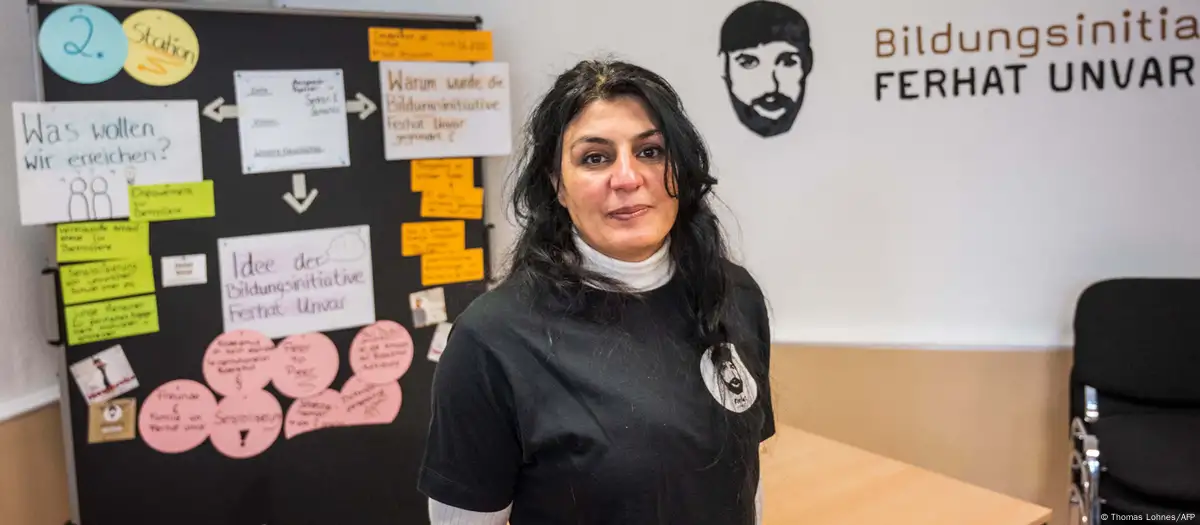
One of the victims was Ferhat Unvar, a 23-year-old man who was killed during the attack. His mother, Serpil Temiz Unvar, has since become a voice for the families affected by this tragedy. Five years later, she is still searching for justice and accountability.
Serpil shared her frustration, telling DW that society had not done enough to prevent similar acts of hate. While there has been resonance in society surrounding the tragedy, she believes it’s been largely due to the efforts of the victims’ families, who have fought tirelessly to make sure their voices are heard.
“These efforts, together with the solidarity shown by many, have contributed to society coming together in this case more than in similar events in the past. But these individual efforts, as important as they are, are not enough to bring about fundamental societal transformation,” Serpil said.
She points out that while the families’ advocacy has sparked conversations, it’s still a struggle to see real, lasting change in how Germany addresses far-right violence and racism. The absence of significant policy change, Serpil argues, is a reminder that there is still much to be done to prevent such events from happening again.
A Changing Political Landscape
As the fifth anniversary of the attack draws closer, Germany is also approaching a crucial election. The rise of the AfD in recent years has raised concerns about the future direction of the country. Many fear that the far-right party could make significant gains, especially in the wake of social unrest and concerns about immigration.
While the AfD has sought to distance itself from direct links to violent extremism, many argue that their rhetoric of hate and fear creates an environment where attacks like the one in Hanau become more likely. The question now is whether Germany’s political leadership will take stronger action to confront far-right extremism or allow it to continue to grow unchecked.
The Call for Change: Fighting Against Racism and Violence
For Serpil and many others, it’s not just about remembering the past; it’s about making sure the future is different. The families affected by the attack are demanding change – not just words, but meaningful actions to combat racism and violence in German society.
Germany has taken some steps in the right direction, such as strengthening hate crime legislation and working on initiatives to promote integration. But these efforts are not enough to tackle the underlying issues of systemic racism and hate-driven violence.
The Role of Society and the Government
The fight against racism in Germany, and worldwide, is a collective effort. Governments, politicians, and communities all have a part to play. Serpil has made it clear that while she appreciates the support from the community, action must come from the top.
For the families of the victims, this anniversary is not just a day of remembrance. It’s a call to action. It’s a reminder that racism still exists and that more needs to be done to combat it. The families of Hanau want to see laws changed, far-right rhetoric challenged, and real steps taken to prevent another tragedy.
The Need for Solidarity and Awareness
The Hanau attack is not just a reminder of the violence that can result from racism, but also of the need for solidarity in the face of such hatred. In the years since the attack, there have been many rallies, protests, and campaigns aimed at raising awareness about the dangers of far-right extremism. However, the key message from the victims’ families remains clear: awareness is not enough.
They demand action from the German government and society as a whole. The families’ fight for justice continues, and their voices need to be heard by all.
Five Years On, But The Fight Continues
As we reflect on the tragic events of February 19, 2020, and the lives lost in the Hanau attack, we must also look ahead. The fight against racism and far-right extremism is ongoing, and it’s a fight that requires commitment from all corners of society.
For Serpil Temiz Unvar and the other victims’ families, the pain is still fresh, and the demand for justice and change has not lessened. The Hanau attack should serve as a warning to all that hate and violence have no place in society. But more importantly, it should be a call to action for everyone to stand together against racism and work toward a future where such tragedies are never repeated.

