
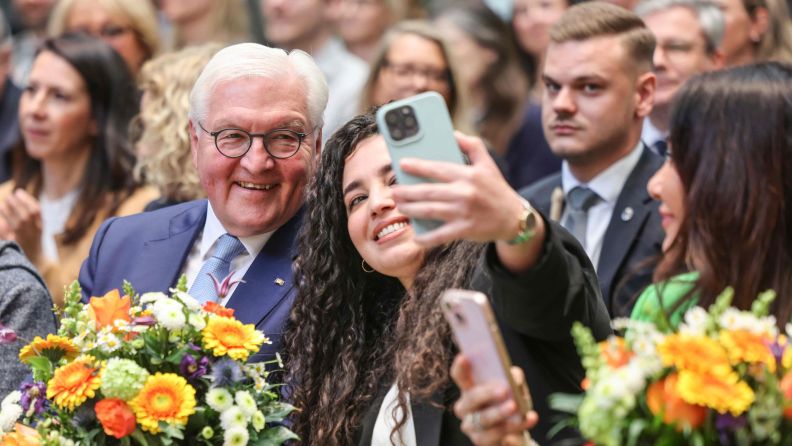
Every German Must Know Auschwitz: Why Germany’s Past Is Everyone’s Responsibility, Says President Steinmeier

A Powerful Message from Germany’s President: Remembering the Past Is a National Duty
In a recent and emotional speech, German President Frank-Walter Steinmeier reminded the nation—and everyone who calls Germany home—of the responsibility that comes with being German. And it’s not just about being proud of what the country is today. It’s about never forgetting what happened in the past.
Steinmeier didn’t hold back. He spoke directly about the Holocaust, anti-Semitism, and racism—saying that every person who becomes a citizen of Germany inherits the weight of that history. And with that, comes the duty to remember, to learn, and to never let it happen again.
“Every German Must Know Auschwitz” – Why It Matters
President Steinmeier put it plainly:
“Every German must know Auschwitz. And must know what made Auschwitz possible in the first place.”
Auschwitz isn’t just a name in a history book. It’s a symbol of one of humanity’s darkest chapters—the genocide of six million Jews by the Nazi regime. Steinmeier made it clear: understanding this history is essential to being German.
And he’s not talking only about people born in Germany. He means everyone who calls Germany home—including immigrants, naturalized citizens, and future generations. The horrors of the Holocaust and the racism that fueled it are not just chapters in a textbook—they’re warnings. And we all have a part to play in making sure history doesn’t repeat itself.
Why History Still Matters Today
The past isn’t just the past
Germany has made huge strides since World War II, becoming a symbol of democracy, peace, and progress. But that transformation came with a deep understanding that such horrors can never be allowed again.
Steinmeier’s speech reminds us: you can’t build a better future unless you face your past. And facing it doesn’t just mean remembering facts. It means understanding the roots of hatred—how discrimination, racism, and dehumanization can spiral into something much worse.
It’s about active remembrance
This isn’t passive history. This is living memory. Steinmeier’s message is clear: remembrance comes with responsibility. It’s not enough to just “know” what happened—we need to actively fight against the forces that made it possible.
A Call to Action: Fighting Hatred and Racism Today
Racism isn’t gone—it just looks different
Steinmeier warned that racism and anti-Semitism haven’t disappeared. In fact, they’re rising again in many parts of Europe—and even in Germany.
So, what does taking responsibility really mean today?
It means standing up against racism, anti-Semitism, and all forms of hate—in your community, your workplace, online, and in politics. It means not looking the other way when someone is targeted for the color of their skin, their religion, or where they come from.
It’s on the state—but it’s also on us
Yes, the government needs to act—through laws, education, and strong enforcement. But Steinmeier stressed that society as a whole must step up. That means every one of us.
“The state and society must take racism seriously and take resolute steps to fight hatred and discrimination,” he said.
So the next time you hear a hateful comment or see discrimination, think of Steinmeier’s words. Silence helps no one. Courage changes everything.
What Does This Mean for You?
Whether you’re German by birth or by choice, this message is for you.
- Learn the history – Understand what happened in Auschwitz and across Europe during the Holocaust.
- Ask the hard questions – What allowed it to happen? What warning signs were missed?
- Teach and talk about it – Make sure the next generation knows that “never again” isn’t just a phrase. It’s a promise.
- Speak up – When you see racism or hate, don’t look away. Use your voice.
Being German—or part of German society—comes with a shared legacy. It’s heavy, but it’s also powerful. By remembering the past, we protect the future.
Final Thoughts: Germany’s Past, Our Future
President Steinmeier’s message isn’t just for historians or politicians. It’s for all of us. In remembering Auschwitz and understanding the roots of genocide, we don’t just honor the victims—we make sure their suffering wasn’t in vain.
And in a world where hate can spread faster than ever, choosing remembrance and action might be the most radical, hopeful thing we can do.

