
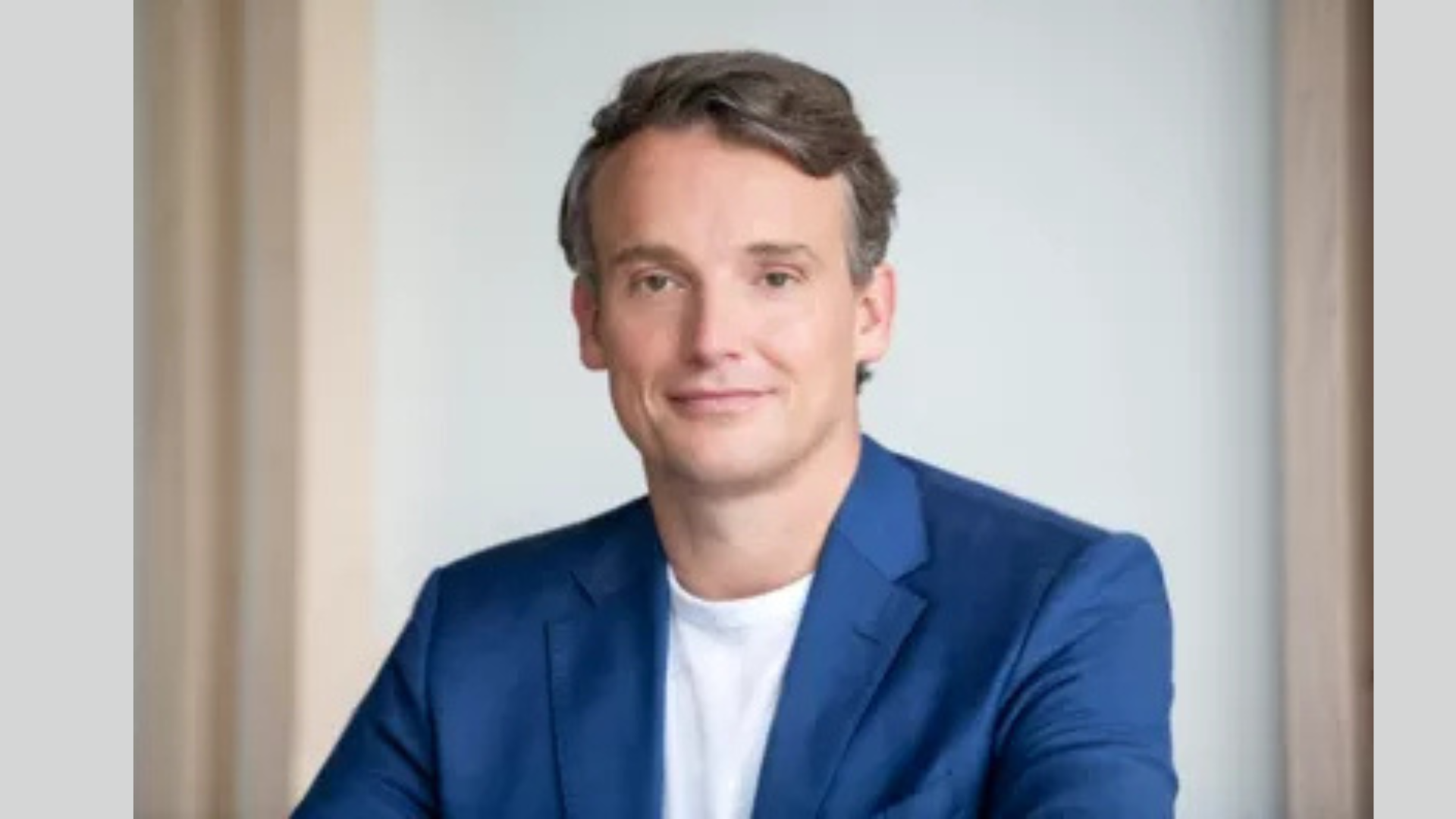

With global markets in a time of rapid technological and economic flux, few leaders are more attuned to the changing landscape than Christian Klein, chief executive officer of SAP SE, Europe’s largest software company and one of the most influential providers of enterprise technologies in the world. Since his ascension to the top role in 2020, Klein has been at the helm of SAP’s ambitious transformation-from a traditional ERP giant to a cloud-first, AI-driven global platform. Through bold decision-making and embracing discomfort, his leadership has defined the path SAP has traveled through a period of uncertainty, both for the technology industry and the economy as a whole.
Klein took charge at a critical moment. Global businesses were accelerating digital transformation, cloud adoption was becoming the standard, and demand for real-time analytics and intelligent systems was surging. The pressure was mounting on SAP as fierce competition was brought by Oracle, Microsoft, and emerging AI-driven enterprise startups. Klein’s first major move was to fast-track SAP’s shift to the cloud-even though it required rethinking long-standing product lines and re-engaging the thousands of enterprise clients accustomed to on-premise SAP systems.
Under his leadership, SAP unveiled RISE with SAP, a flagship solution that was supposed to help businesses move to the cloud with greater safety and quicker deployment. The initiative positioned SAP not merely as a software vendor but rather as a transformation partner, bundling in infrastructure, migration tools, analytics, and business-process intelligence into one integrated platform. RISE turned out to be one of the cornerstones of SAP’s strategy, bringing steady revenue growth from the cloud even against unfavorable macroeconomic headwinds.
Yet, this transformation has not happened overnight, and along the way came restructuring phases, reallocation of the workforce, and cost-optimization measures. Some critics said the company was moving too aggressively, while some customers voiced worries about both the pace of migration and the complexity of migration from older SAP environments. These steps were necessary, according to Klein, for future-proofing the company to make sure that SAP stayed relevant in a rapidly changing enterprise-software market.
One of the biggest pillars of Klein’s recent strategy is artificial intelligence. SAP has invested heavily in generative AI, predictive analytics, and embedded intelligence across its cloud portfolio. Its broad partnership ecosystem, which encompasses hyperscalers such as Google Cloud, Microsoft Azure, and AWS, has helped it build advanced AI capabilities inside enterprise workflows. The message from Klein has been clear: AI is not an add-on but will form the core of how businesses will function in the future.
Despite these innovations, SAP faces broader economic uncertainties. Global inflation, rising borrowing costs, geopolitical tensions, and fragmented supply chains are forcing changes upon enterprise spending priorities. Companies are conserving large-scale digital-transformation budgets, which means SAP has to demonstrate clear, measurable ROI for its cloud and AI offerings. Klein has responded by refining SAP’s value proposition, focusing on automation, sustainability management, carbon-tracking solutions, and industry-specific cloud packages offering quicker impact.
Klein’s hands-on, data-driven leadership style, with a huge emphasis on communication, has also set the tone for SAP’s organizational culture. Employees characterize him as pragmatic, approachable, and very attached to SAP’s roots as a German technology innovator. At the same time, he has been driving the company toward thinking globally and innovating much quicker, encouraging a culture where calculated risk-taking is not only accepted but expected.
Externally, Klein has positioned SAP as a key voice in Europe’s digital-sovereignty discussions. In an era when governments and corporations would like to see more control over data and critical digital infrastructure, the role of SAP as a trusted provider of enterprise software has made it strategically important. Klein has called for high cybersecurity standards, transparent AI governance, and collaborative innovation between European and global tech players. His leadership reflects a balancing act: maintaining SAP’s heritage on one hand while ensuring it remains competitive against American and Chinese tech giants. Looking ahead, Klein’s challenge is to keep SAP’s momentum strong while navigating market volatility. In other words, continued cloud-revenue growth, a more integral role for AI, and even better customer retention will be required. At the same time, SAP needs to stay the backbone of the global enterprise system, a position it has had for decades. Indeed, Christian Klein’s leadership stands out for its clarity, ambition, and adaptability during these unsure times. As the transformation journey of SAP continues, all eyes will be on him-how he will effectively steer the company toward sustainable growth while reshaping the future of enterprise technology.

