
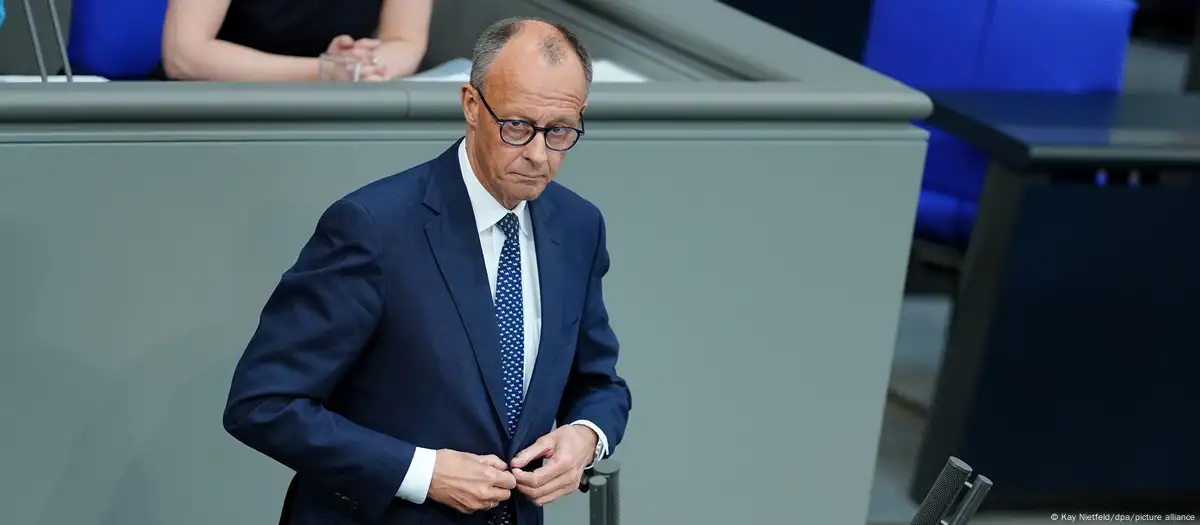
Chancellor Merz Expresses Skepticism Over Potential AfD Ban Amid Extremism Classification

Chancellor Merz Questions Potential Ban on Far-Right AfD Party
New German Chancellor Friedrich Merz has voiced skepticism regarding the possibility of banning the far-right Alternative for Germany (AfD) party, which was recently classified as “right-wing extremist” by the country’s domestic intelligence agency. The classification has raised concerns about the party’s influence and the future of German politics, but Merz’s comments suggest that he is not fully in favor of taking drastic steps against the AfD at this time.
Merz acknowledged the growing concerns over the AfD’s rhetoric and actions but emphasized that any decision to ban a political party must be approached with caution. The classification of the AfD as a right-wing extremist group is currently under appeal, and the debate surrounding the potential ban remains highly contentious.
AfD’s Extremism Classification and Its Impact
The AfD’s classification as a “right-wing extremist” party by Germany’s domestic intelligence service marks a significant moment in the ongoing political struggle over the party’s role in the country’s political landscape. This designation was made following increasing concerns over the party’s rise in popularity and its controversial positions on immigration, nationalism, and other issues.
Despite the intelligence agency’s warning, the AfD has denied accusations of extremism, and the party’s leadership has vowed to fight the classification through the courts. As the appeal process continues, the legal and political fallout from the decision is set to shape the future of the far-right movement in Germany.
Merz’s Stance on Political Freedom and National Security
Chancellor Merz, known for his conservative leanings, has underscored the importance of preserving political freedom while also ensuring national security. His skepticism about banning the AfD suggests a belief in the value of free speech and political pluralism, even when it comes to controversial or extremist groups. However, Merz has also emphasized that extremism in any form cannot be tolerated, and the government must remain vigilant in protecting democratic values.
His position adds complexity to the debate, as Germany grapples with how to address the growing influence of far-right politics without undermining its democratic foundations.
What’s Next for the AfD and German Politics?
The decision to potentially ban the AfD remains uncertain as the party fights the extremism classification in court. The next steps in this legal battle will likely influence how the German government addresses far-right extremism in the future.
For now, Chancellor Merz’s skepticism highlights the challenges of balancing political freedoms with national security concerns. As the situation develops, Germany’s political landscape may continue to shift, with far-right groups like the AfD remaining a key point of contention.

