
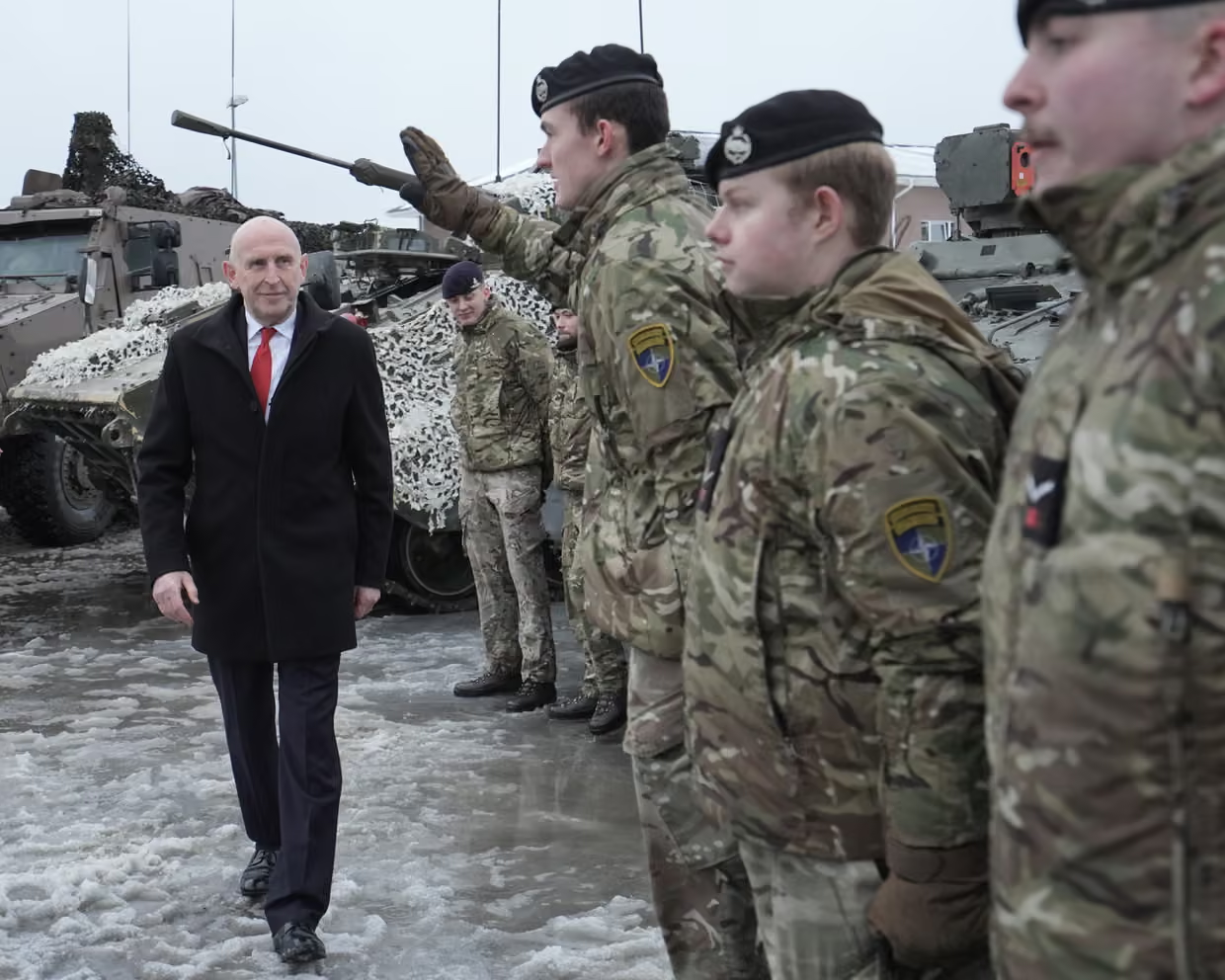

The top military leaders of the United Kingdom and Germany have jointly appealed to the public, making a moral case for increased military preparedness. In a rare combined statement, they stressed the need for citizens to understand the importance of rearmament in light of the ongoing threat posed by Russia, and the financial and social costs that come with it.
Key Message from Defence Leaders
Admiral Richard Knighton of the UK and General Carsten Breuer of Germany emphasized that:
- Rearmament should not be seen as warmongering, but as a necessary step to protect national security and democratic values.
- Citizens must recognize that maintaining credible defence capabilities is essential in a world where geopolitical tensions are rising.
- Being unprepared could result in far higher costs in human and material terms if conflict arises.
The statement seeks to bridge the gap between military necessity and public perception, urging understanding and support rather than fear or opposition.
Context of the Appeal
The appeal comes amid ongoing concerns over Russia’s military posture in Eastern Europe and heightened tensions with NATO countries. Both Britain and Germany are part of the alliance that has been reinforcing deterrence measures in response to potential threats in the region.
The military chiefs argue that investing in defence is not optional but a moral responsibility to protect citizens, allies, and international stability.
Broader Implications
- The joint statement highlights the growing alignment between European defence strategies, particularly in response to Russian aggression.
- It underscores the difficult choices governments face in balancing public spending priorities against defence preparedness.
- By framing rearmament as a moral duty, the chiefs aim to preempt criticism that defence investments are politically motivated or aggressive.
Takeaway
Knighton and Breuer’s combined appeal is a clear call for the public and policymakers to acknowledge the realities of modern security threats. The message is that investing in defence now, while costly, is far preferable to paying a much higher price later in the event of conflict.

