
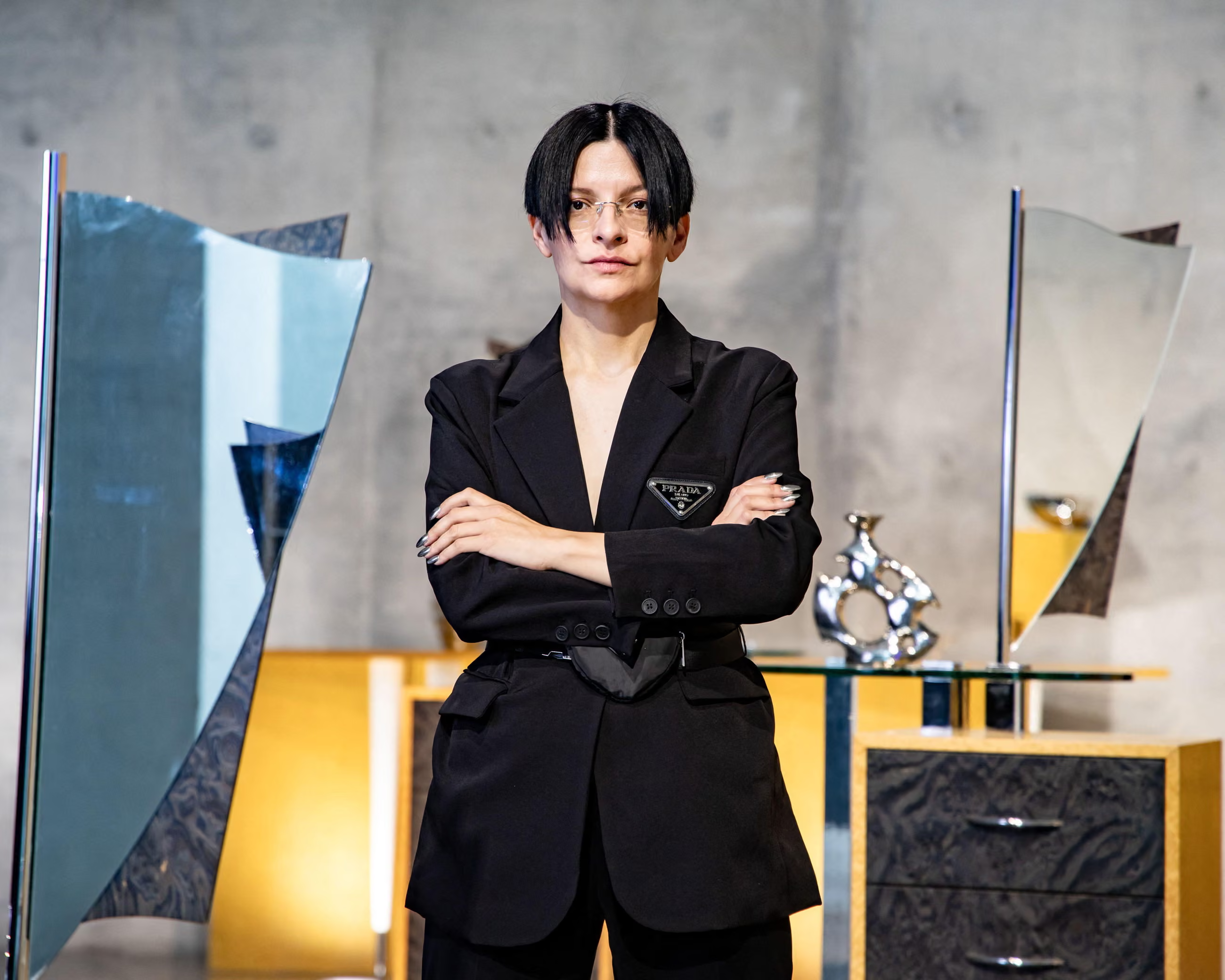

German contemporary artist Henrike Naumann has gained recognition for her innovative installations that use everyday furniture—sofas, chairs, and coffee tables—to explore themes of division, identity, and memory in Germany. Her work examines how ordinary objects can carry political, cultural, and historical significance.
Concept Behind the Work
Naumann’s installations are not simply about furniture as functional objects. Instead, they serve as metaphors for social and political divisions:
- Sofas and chairs represent domestic spaces and the ways private life intersects with history.
- Coffee tables and arranged living spaces evoke shared memory and cultural narratives.
- The physical arrangement of objects reflects tension, disconnection, or dialogue, symbolizing Germany’s historical and contemporary divides.
Through these familiar household items, Naumann invites viewers to reflect on topics such as:
- The legacy of the Cold War and East-West divisions
- Shifts in cultural identity across generations
- The intersections of personal and collective memory
Artistic Approach
Naumann blends elements of installation art, social commentary, and historical critique. Her work often transforms gallery spaces into environments that feel both intimate and confrontational, forcing audiences to navigate the physical and symbolic divisions she constructs.
Critics note that her approach is effective because it combines the ordinary with the profound, turning familiar items into tools for historical and cultural interrogation.
Broader Significance
By using furniture as a medium, Naumann makes art accessible and relatable, while also encouraging viewers to confront uncomfortable aspects of Germany’s past and present. Her installations spark conversations about reconciliation, memory, and how societies deal with political and cultural divides.
Her work highlights how art can serve as both reflection and critique, using objects that surround us daily to tell stories of history, identity, and transformation.

