

Germany witnessed several high-profile developments on Wednesday, February 18, 2026, spanning politics, cybersecurity, and international diplomacy.
Merz Open to Social Media Ban for Under-16s
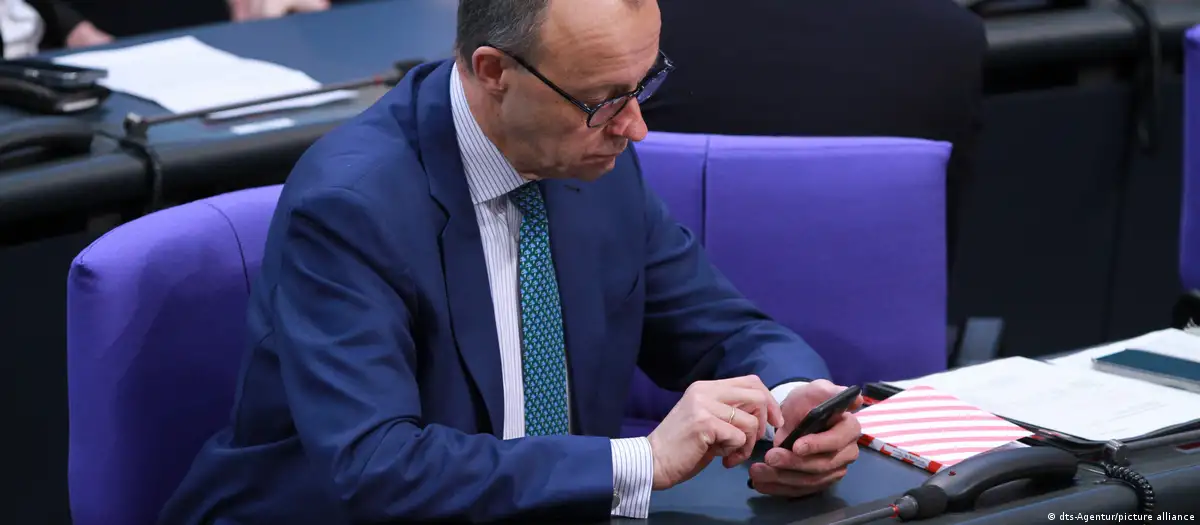
Friedrich Merz indicated he would consider restricting social media access for children under the age of 16.
- The measure is being discussed amid growing concerns about the mental health impacts of social media on minors.
- Merz emphasized the potential benefits of such restrictions, suggesting it could help protect young users from harmful content, cyberbullying, and addictive usage patterns.
- While details are not finalized, the proposal signals a shift toward stricter regulation of digital platforms targeting youth in Germany.
The initiative aligns with broader European debates on social media regulation and child protection online.
Berlin-Iran Diplomatic Tensions
Germany’s Berlin faced a diplomatic issue as Iran summoned Germany’s ambassador over protests in Germany against the Tehran regime.
- The Iranian government issued a formal reprimand, condemning what it called “anti-Iranian activities.”
- The summoning highlights ongoing diplomatic friction between Germany and Iran over civil liberties and political activism occurring within German borders.
- Officials are assessing how to address Iran’s concerns while upholding freedom of expression and the right to protest.
This incident underscores the delicate balance Germany maintains in international diplomacy while protecting domestic democratic rights.
Cyberattack Hits Deutsche Bahn
Germany’s rail operator, Deutsche Bahn, revealed that it had suffered a cyberattack affecting travel information and bookings.
- The attack disrupted access to scheduling and ticketing systems, causing inconvenience for passengers nationwide.
- Deutsche Bahn confirmed that it is investigating the breach and implementing measures to strengthen cybersecurity.
- No evidence has yet indicated that passenger data was compromised, though authorities continue to monitor the situation closely.
This cyberattack is part of a growing trend of digital threats targeting transportation infrastructure across Europe.
Implications and Public Response
The developments in Germany signal several key trends:
- Youth Online Safety: Merz’s openness to social media restrictions reflects heightened concerns about children’s exposure to online risks.
- International Diplomacy: The summoning of Berlin’s ambassador by Iran shows how domestic protests can trigger international diplomatic disputes.
- Cybersecurity Vulnerabilities: The Deutsche Bahn cyberattack highlights the need for robust protection of critical infrastructure in the digital age.
Public opinion has been divided on these issues, with some supporting stricter online regulations and others emphasizing individual freedom and privacy.
Looking Ahead
Germany faces several areas to watch in the coming months:
- Decisions on potential legislation or regulations restricting social media for minors.
- The government’s response to Iran’s diplomatic protest and ongoing engagement on human rights issues.
- Steps to prevent future cyberattacks on national transportation and critical services.
Each development underscores the complex challenges Germany faces in balancing security, civil liberties, and international relations in a digital and interconnected world.

