
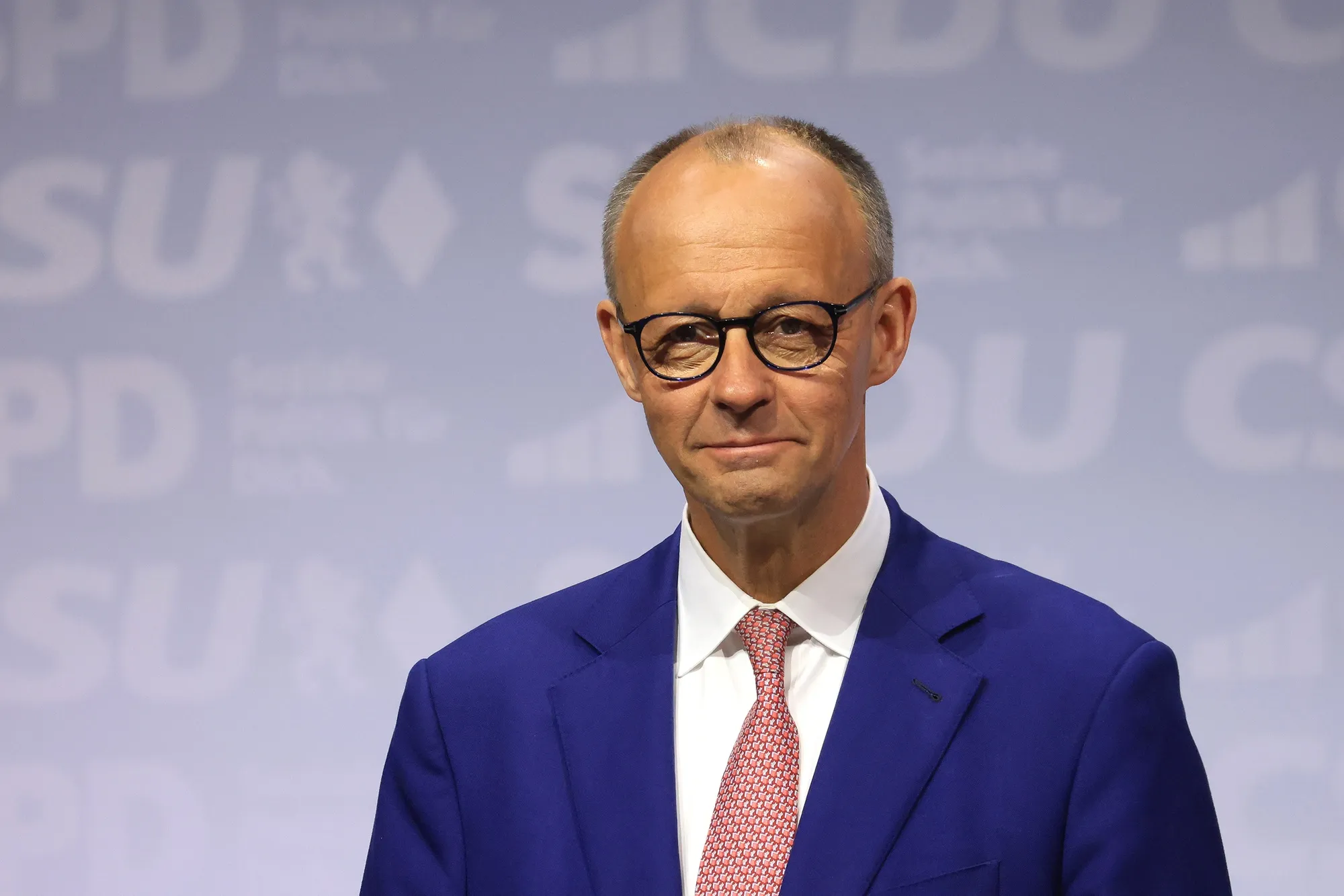
Germany’s Chancellor Merz Plans Overseas Visits to Strengthen Global Trade Relations

German Chancellor Friedrich Merz announced on Wednesday that he will embark on visits to countries outside the transatlantic region in the coming weeks and months to discuss trade relations. Speaking to the Bundestag, Germany’s lower house of parliament, Merz emphasized the importance of expanding Germany’s economic partnerships beyond traditional allies.
A New Focus on Global Trade
The upcoming trips signal a strategic shift in Germany’s approach to international trade. While transatlantic partners have long been a central focus, Merz aims to strengthen economic ties with emerging markets and non-Western economies. These visits are expected to cover regions in Asia, the Middle East, and possibly Africa, where trade opportunities are expanding rapidly.
Merz’s initiative reflects Germany’s commitment to diversifying its trade portfolio and securing sustainable economic growth amid global uncertainties such as fluctuating energy prices, geopolitical tensions, and post-pandemic supply chain challenges.
Strengthening Economic Partnerships
During his parliamentary address, Merz highlighted the importance of maintaining strong trade relations while adapting to the evolving global economy. The Chancellor pointed out that expanding partnerships with countries beyond the transatlantic region will provide German industries with new opportunities for investment, exports, and collaborative innovation.
Germany is already a leading exporter of machinery, automobiles, and high-tech products, and these overseas visits aim to create new markets and strengthen existing trade agreements.
Implications for German Businesses
For German companies, Merz’s visits could pave the way for increased access to growing markets, smoother trade negotiations, and opportunities for collaboration with international partners in technology, energy, and manufacturing sectors. Analysts believe that this strategic move will help German businesses remain competitive globally while mitigating risks associated with over-reliance on traditional trade partners.
Additionally, the visits could enhance Germany’s role as a key player in global trade diplomacy, influencing policies and trade frameworks that shape international commerce.
A Broader Economic Strategy
Merz’s plans come at a time when Germany is seeking to diversify its economic partnerships in response to global shifts. By engaging with countries beyond Europe and North America, the Chancellor aims to strengthen Germany’s influence in trade discussions, secure supply chains, and encourage sustainable investment initiatives abroad.
Economists note that these efforts could also have positive domestic effects, boosting German employment, technological innovation, and industrial growth through enhanced international collaboration.
Looking Ahead
Chancellor Merz’s upcoming visits are likely to be closely watched by business leaders, policymakers, and international observers. As Germany seeks to expand its trade horizons, the outcomes of these visits could have significant implications for global economic dynamics and the country’s position as a leading export power.
With trade negotiations and partnerships set to be a central focus, Merz’s outreach beyond the transatlantic region marks a strategic step in positioning Germany as a global economic leader prepared to navigate the complexities of the 21st-century economy.

