
Germany Battles Devastating Wildfires in the East as Poland Reinstates Border Checks – What You Need to Know

Wildfires Rage Across Eastern Germany as Border Tensions Rise with Poland
Germany is facing a turbulent start to the week as massive wildfires tear through its eastern states and border checks return between Germany and Poland, raising concerns over security, sovereignty, and regional cooperation.
As of Monday, July 7, firefighters have made significant progress in bringing multiple wildfires under control following a tense weekend marked by dangerous conditions, smoke warnings, and widespread evacuations in parts of eastern Germany. At the same time, Poland’s surprise move to reinstate border controls with Germany has sparked debate and diplomatic tension across the region.
Wildfires in Thuringia: The Worst in 30 Years
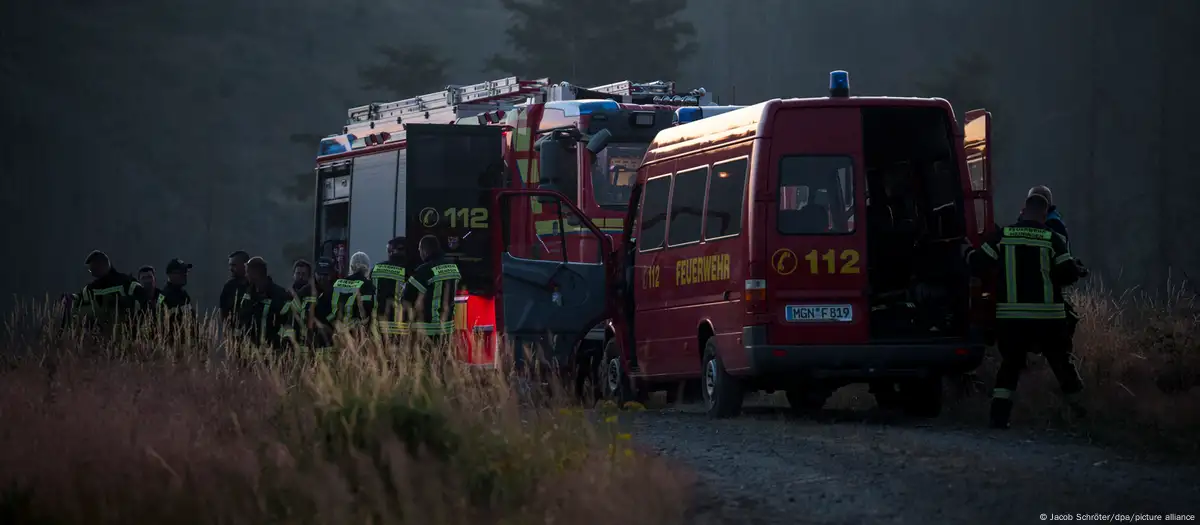
The eastern state of Thuringia has been the hardest hit by what officials describe as the region’s largest wildfire in over three decades.
Over the weekend, flames spread rapidly through dense forested terrain, fueled by dry weather, strong winds, and high summer temperatures. Several towns reported smoke pollution, prompting health warnings and localized evacuations.
Fire departments from across the country were called in to support local crews. Helicopters and fire-retardant planes were deployed to control the flames, particularly in remote and hilly areas that were difficult to reach by land.
As of Monday morning, officials said the fires were “mostly under control,” though hotspots remain and firefighters are staying on alert for possible reignition.
Key Facts:
- Location: Primarily Thuringia and parts of Saxony
- Evacuations: Hundreds of residents temporarily displaced
- Environmental Impact: Significant forest loss, smoke alerts issued
- Response: National firefighting units, helicopters, and aerial support deployed
Poland Reinstates Border Checks with Germany
In a surprise move, Poland has reintroduced temporary border checks at crossings along its border with Germany. The checks will remain in place through August, with Polish authorities citing security and migration concerns.
The decision follows Germany’s own stricter border controls, which were reintroduced in November 2023 under Chancellor Friedrich Merz’s government. These controls were initially aimed at curbing irregular migration and bolstering national security, but have now triggered a reciprocal response from Warsaw.
Poland’s move is legally permitted under EU rules but goes against the spirit of the Schengen Agreement, which allows for passport-free travel across much of Europe.
Political Fallout and Diplomatic Tension
The reintroduction of checks on both sides has stirred political unease in Brussels and Berlin.
Critics argue the back-and-forth controls undermine Schengen and damage economic and social ties in cross-border communities, particularly in regions where workers commute daily between Germany and Poland.
Chancellor Merz defended Germany’s position, saying the enhanced border checks are necessary amid growing concerns over illegal crossings, especially in light of recent migration trends and security incidents.
Polish officials, however, say the German measures unfairly target Polish nationals and have prompted congestion and delays that hurt local economies.
A Country on Edge: Fire, Borders, and Tension
These dual crises — environmental and political — have dominated the national conversation in Germany this week.
Environmental groups are urging greater investment in climate resilience, forest management, and emergency preparedness, as wildfires in Europe become more frequent and more intense due to rising global temperatures.
Meanwhile, political analysts warn that the border dispute could signal deeper geopolitical rifts between EU member states, particularly around migration policy, sovereignty, and security cooperation.
Local Voices: “We’re Tired and Frustrated”
Residents in both wildfire-affected zones and border towns have expressed frustration and fatigue.
In Thuringia, many spent the weekend evacuating homes, coping with thick smoke, or volunteering to help fire crews.
“This is the worst I’ve seen in my lifetime,” said one resident from the town of Saalfeld. “We never expected a fire like this in our forests.”
In towns like Frankfurt (Oder) and Görlitz, where daily cross-border traffic is common, commuters reported long delays, confusion over documentation, and a sense of déjà vu from early pandemic-era border closures.
What’s Next?
With firefighters continuing to monitor wildfire zones and the German government closely watching the border situation, both crises remain active.
Officials warn that rising summer temperatures and dry conditions could create the perfect storm for future fire outbreaks, especially if early warning systems and forest management strategies aren’t strengthened quickly.
On the political front, EU officials are expected to weigh in on the border controls, particularly if the tensions escalate or other countries consider following suit.
Final Thoughts
Germany is no stranger to navigating overlapping crises, but this week’s combination of natural disaster and political tension is testing its resilience on multiple fronts. As the climate emergency and migration policy continue to challenge both local and federal governments, the country must balance safety, diplomacy, and solidarity in the weeks ahead.