

Germany’s Economy Is Struggling – Can the New Government Turn It Around?
Germany, the economic powerhouse of Europe, is facing a serious slowdown—and the pressure is now on the country’s new government to fix it. But despite promises of change and revival, leading economists remain doubtful. Is this the beginning of a comeback—or just more of the same?
Let’s break down what’s really happening to Germany’s economy, why things have stalled, and whether the new leadership has what it takes to get the country back on track.
The Harsh Reality: Germany’s Economy Has Hit a Wall
It wasn’t too long ago that Germany was praised for its strong manufacturing base, export power, and budget discipline. But things have taken a dramatic turn.
Over the past three years, Germany’s economy has barely moved. Energy-intensive industries have shut down production, economic growth has stalled, and business confidence has taken a dive. For 2025, top economic think tanks predict GDP growth of just 0.1%—essentially flatlining.
Add to that the ripple effects of global trade tensions (thanks in part to U.S. tariffs under Donald Trump’s leadership), and the picture becomes even gloomier.
What Went Wrong?
Several key factors have contributed to Germany’s current economic slump:
1. High Energy Costs
After the war in Ukraine and the shift away from Russian energy, Germany faced skyrocketing energy prices. This hit energy-hungry industries like chemicals, steel, and automotive manufacturing especially hard. Some factories have scaled down or shut entirely.
2. Sluggish Investment
German companies have been cautious about investing, partly due to rising costs and partly due to global uncertainty. This lack of reinvestment has kept innovation and job creation in check.
3. Global Trade Tensions
Ongoing tariff battles—especially those sparked by the U.S.—have damaged Germany’s export-heavy economy. With fewer goods being bought overseas, major companies are feeling the squeeze.
4. Aging Infrastructure and Bureaucracy
Germany’s infrastructure, once the envy of Europe, is now lagging. Crumbling roads, slow internet, and a rigid bureaucracy make it hard for businesses to move quickly or scale up.
Enter the New Government: Big Promises, Big Challenges
With a fresh government now in power, there’s hope that change is coming. They’ve pledged to revive growth, boost green energy, and invest in digital innovation. These are exactly the kind of reforms economists have been calling for.
But there’s skepticism.
“It’s the economy, stupid,” the old political slogan goes—and it still rings true today. People vote with their wallets, and if the new government can’t deliver on growth, their popularity may quickly fade.
What the Government Is Proposing
Here’s a look at some of the steps the new German leadership is pushing:
- Massive green energy investment to bring down long-term power costs
- Modernizing infrastructure, including transport and digital networks
- Tax incentives for companies that innovate or bring manufacturing back to Germany
- Cutting red tape to make starting and scaling a business easier
All great on paper—but economists warn that the real challenge is execution.
What the Experts Are Saying
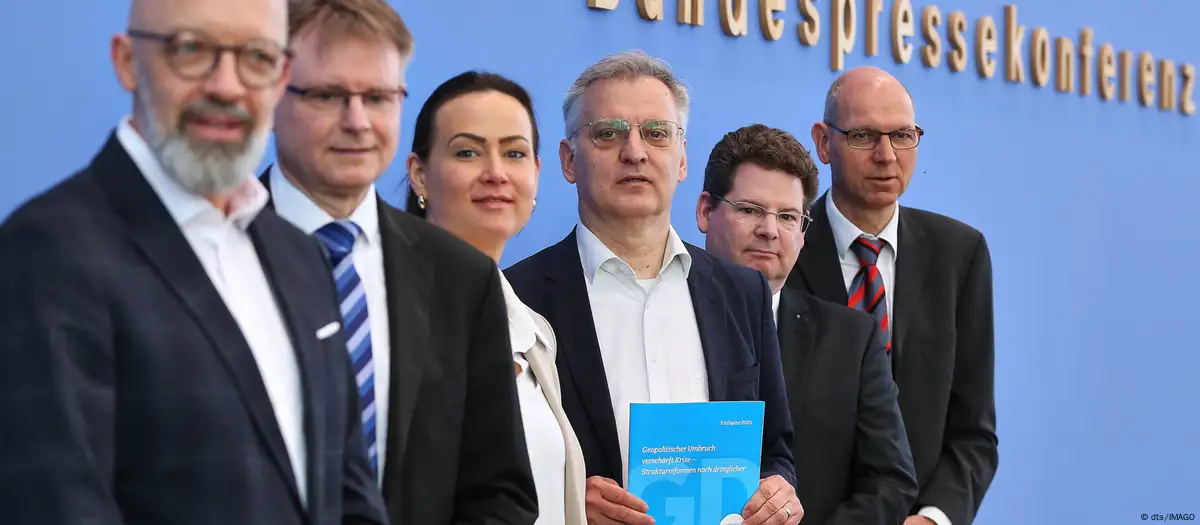
Leading German economists are cautiously watching the government’s next moves. While the ideas are promising, the timing may be too late, and the scale too small to make a meaningful impact quickly.
Many are concerned that the current measures won’t address the structural issues deeply embedded in Germany’s economic model. For instance, shifting toward renewable energy is essential—but it takes years to develop reliable infrastructure. And while deregulation is welcome, Germany’s famously slow bureaucracy won’t change overnight.
Could It All Get Worse?
Unfortunately, yes.
With U.S. tariffs returning to the global conversation, German exports could be hit even harder. Industries that rely on open trade, like automotive and machinery, could suffer serious setbacks. If exports fall, so do profits, jobs, and ultimately government revenue.
All of this piles more pressure on a government that’s still finding its footing.
Why It Matters Beyond Germany
What happens in Germany doesn’t stay in Germany. As Europe’s largest economy, any slowdown affects the entire Eurozone. If Germany can’t recover soon, it could pull down neighboring economies and even threaten broader global stability.
Final Thoughts: Can They Pull It Off?
Germany is at a critical crossroads. The new government has shown ambition and awareness of the country’s economic problems—but that’s only the first step. What the country needs now is fast, bold action.
With the right reforms and enough political courage, there’s still time to turn things around. But if delays, half-measures, or global shocks continue, Germany’s economy could stay stuck in the slow lane for years.
Only time will tell if the new leadership will be remembered for reviving a powerhouse—or watching it falter.

