
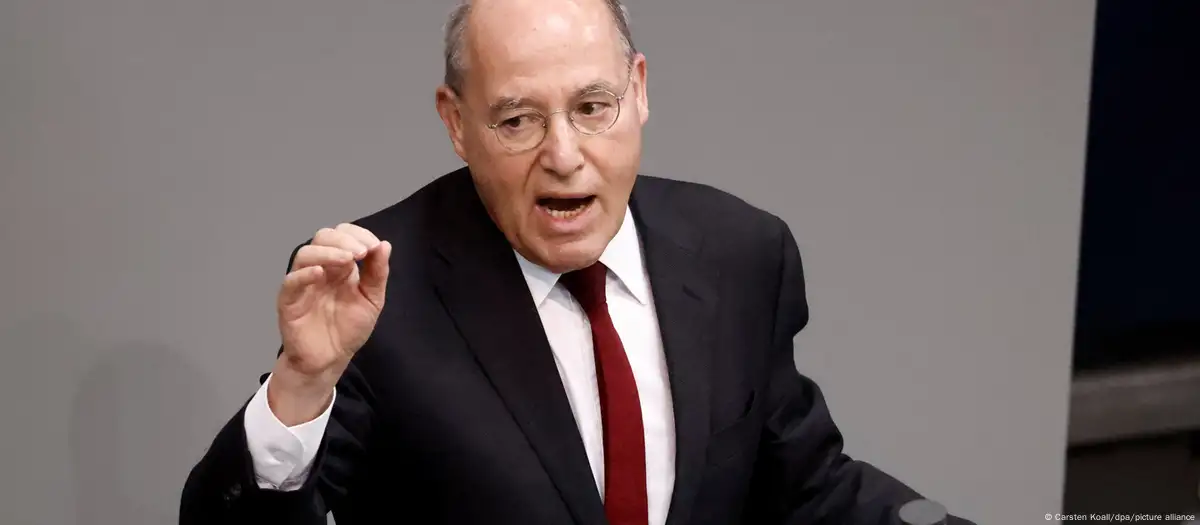
Gregor Gysi to Kick Off New Bundestag Session: A Political Journey from the GDR to Modern Germany

Gregor Gysi Takes the Spotlight in the Bundestag: A Political Icon’s Moment in History
On March 25, Germany’s Bundestag (parliament) will meet for its first session after the most recent general election. The person who will kick off this important meeting is none other than Gregor Gysi, a 77-year-old veteran politician with a fascinating history. Having been in politics for over three decades, Gysi is about to make his mark once again in German politics, as he takes the spotlight on the opening day of the new parliament.
But who is Gregor Gysi, and why is his role in the Bundestag so significant? Let’s take a closer look at his remarkable journey from the former German Democratic Republic (GDR) to one of the most influential figures in modern German politics.
Why Gregor Gysi Is the One to Open the Bundestag
Under the rules of the German parliament, the longest-serving member has the honor of kicking off the first session of a new Bundestag following a general election. This time, that distinction goes to Gregor Gysi. The 77-year-old politician has served in the Bundestag for almost 31 years, starting on October 3, 1990, the day Germany was reunified.
This rule is a tradition that gives long-serving parliamentarians the opportunity to set the tone for the upcoming legislative session. In this case, Gysi’s experience, deep political knowledge, and historical perspective make him an ideal figure to open the new chapter in Germany’s political history.
A Journey From the GDR to Modern Politics
Born in 1948, Gysi grew up in the German Democratic Republic (GDR), a communist state that was a part of the Soviet sphere of influence during the Cold War. His father, Klaus Gysi, was the Culture Minister in the GDR, making Gregor part of the country’s political elite. Despite this, Gregor Gysi went on to become one of the most prominent critics of the regime.
Gysi’s entrance into politics was not without its struggles. The peaceful revolution that led to the fall of the Berlin Wall in 1989 marked a turning point in his life. As the Socialist Unity Party of Germany (SED)—the communist party that ruled East Germany—faced collapse, Gysi took the reins and helped steer it through one of the most turbulent periods in German history.
A Key Figure in German Reunification
When the Berlin Wall fell on November 9, 1989, Germany found itself on the brink of massive change. The SED, which had ruled East Germany with a firm grip for nearly half a century, was unraveling. At this critical moment, Gregor Gysi stepped forward and became the party leader of the SED. His role during this period was pivotal.
Despite the rapid unraveling of the communist system, Gysi managed to pull the SED back from the brink. He not only worked to preserve the remnants of the party but also helped shape its transition into a new political entity. Gysi’s leadership during this time was critical in ensuring that East Germany’s legacy had a place in the country’s reunified future.
After the fall of the GDR, Gysi became one of the founders of the Party of Democratic Socialism (PDS), the successor party to the SED. Over time, the PDS evolved into what is now the Left Party (Die Linke), which Gysi has been a key figure in ever since.
The Left Party and Gysi’s Continued Influence
Today, Gysi is a leading figure in Germany’s Left Party, which has its roots in the post-reunification politics of East Germany. Despite his controversial past—particularly his ties to the GDR—Gysi remains one of the most respected politicians in the country. His political philosophy is deeply rooted in leftist ideals, advocating for social justice, economic equality, and the protection of workers’ rights.
Though the Left Party’s influence has waned in some areas of Germany, it remains a significant political force, particularly in the former East. Gysi’s charismatic speeches, sharp wit, and deep knowledge of German politics have made him a well-known figure in the Bundestag. His ability to speak directly to the concerns of ordinary people, while also navigating the intricacies of government policy, has solidified his place as one of the most important political voices in Germany.
Gregor Gysi’s Legacy: A Lifelong Political Career
As Gysi prepares to deliver his speech at the first session of the new Bundestag, it’s important to reflect on his enduring legacy in German politics. His career has spanned some of the most significant moments in modern German history, including the reunification of Germany, the rise and fall of the GDR, and the challenges of post-reunification politics.
What makes Gysi truly remarkable is his ability to adapt and remain relevant in German politics, despite the rapid changes in the political landscape. From his time as the leader of the SED during the fall of the Berlin Wall to his current role in the Left Party, Gysi has navigated one of the most complex political environments in Europe.
What to Expect from Gysi’s Speech
When the Bundestag convenes on March 25, all eyes will be on Gregor Gysi as he takes the floor to kick off the new session. Given his vast experience, his speech will likely be one of the highlights of the day. As the longest-serving member of parliament, Gysi is free to speak on any topic he chooses, and it’s likely that he will address some of the most pressing issues facing Germany today.
Expect Gysi to reflect on the political changes in Germany since reunification, the ongoing challenges of global politics, and the future of the Left Party. As always, his speech will likely blend sharp criticism of Germany’s current political establishment with a call for social and economic reform.
Gysi’s Impact on German Politics
Gysi’s impact on German politics is undeniable. Throughout his long career, he has been a tireless advocate for workers’ rights, social justice, and equality. His sharp criticism of both the far-right and the establishment has earned him a reputation as one of the most outspoken figures in the Bundestag.
While some may still view him through the lens of his past as a leader of East Germany’s communist party, Gysi has evolved into a leader who plays a key role in shaping modern German politics. His experience and insight continue to be invaluable to the Left Party, and his speeches often spark important debates about the direction of Germany’s future.
The Future of Germany’s Leftist Politics
As Germany moves forward, the Left Party will face new challenges and opportunities. Gregor Gysi’s presence in the Bundestag remains an important symbol of the party’s ongoing commitment to progressive policies. With issues like economic inequality, social welfare, and climate change at the forefront of political debates, the Left Party will continue to be a key voice in the conversations shaping Germany’s future.
While Gysi is no longer the party leader, his influence and legacy continue to guide the direction of the Left Party. His speech on March 25 will likely set the tone for the party’s approach to the new parliament and its agenda for the coming years.
Gregor Gysi’s Enduring Legacy
Gregor Gysi’s career in the Bundestag is a testament to his resilience and adaptability in German politics. From his role in the GDR to his current work with the Left Party, Gysi has continuously fought for a vision of Germany that prioritizes social justice, economic equality, and democratic values. As he kicks off the new Bundestag session on March 25, Gysi remains one of the most influential and respected figures in German politics—a true icon with a legacy that spans more than three decades.

