

Germany is facing a wave of challenges as global tensions, rising fuel costs, and domestic political debates collide. From calls to limit speed on highways to growing protests and political divisions, the country is navigating a complex and uncertain moment.
Here’s a clear and engaging breakdown of the latest developments shaping Germany right now.
Fuel Crisis Sparks Drastic Proposals
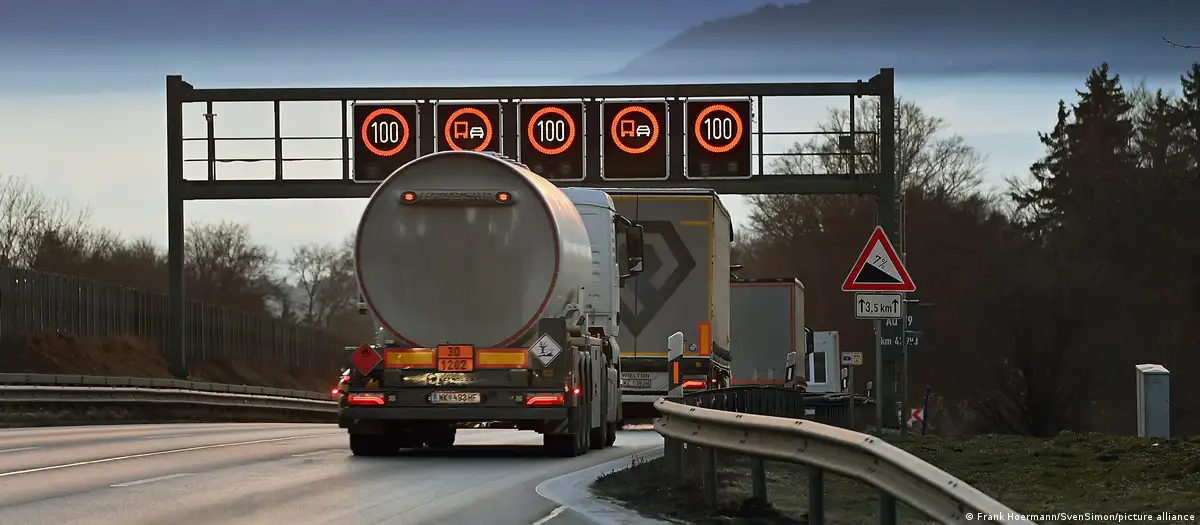
Autobahn Speed Limit Back in Debate
Germany’s famous highways—known as the Autobahn—are once again at the center of debate.
A leading economist has suggested introducing a temporary speed limit to reduce fuel consumption. This comes as fuel prices surge due to disruptions linked to tensions involving Iran.
Strait of Hormuz Disruption Drives Prices Up
The sharp rise in fuel costs is tied to issues around the Strait of Hormuz, a critical global oil route.
Any blockage or disruption in this narrow passage can significantly impact global energy supplies—leading to higher prices at the pump in countries like Germany.
Easter Peace Marches Gain Momentum
Protests Amplified by War Concerns
Across Germany, activists are preparing for the annual Easter peace marches—a long-standing tradition advocating for peace.
This year, however, the marches are expected to carry extra weight, as concerns over the Iran conflict intensify public anxiety about war and global stability.
A Renewed Call for Peace
Organizers say the current geopolitical climate has made their message more urgent than ever. The demonstrations are expected to draw large crowds over the weekend.
New Rules for German Men Traveling Abroad
Military Permit Requirement
In a move that has raised eyebrows, German men may now require official permission if they plan to leave the country for more than three months.
While details remain limited, the measure is being linked to broader national preparedness concerns amid rising geopolitical tensions.
Political Landscape: No Alliances for BSW
Sahra Wagenknecht Takes a Firm Stand
Sahra Wagenknecht, leader of the newly formed BSW party, has made it clear that her party will not enter coalitions in eastern Germany.
This includes ruling out partnerships with both mainstream parties and the far-right Alternative for Germany.
What This Means Politically
Her stance could reshape political dynamics in eastern states, potentially making it harder to form stable governments.
A Whale Captures National Attention
Concern for “Timmy” in the Baltic Sea
Amid the serious headlines, one unusual story has captured public attention—a stranded humpback whale nicknamed “Timmy.”
Rescuers are closely monitoring the animal in the Baltic Sea, as concerns grow about its health and chances of survival.
Public Interest Grows
The whale’s situation has drawn widespread sympathy, offering a rare moment of unity and compassion during a tense time.
Germany is currently dealing with a mix of global pressures and domestic challenges—from rising fuel prices and war-related concerns to political shifts and public protests.
Whether it’s debates over speed limits on the Autobahn or growing calls for peace, the country is clearly at a crossroads.
As events continue to unfold, the coming weeks could prove crucial in shaping Germany’s response to both internal and external pressures.

