
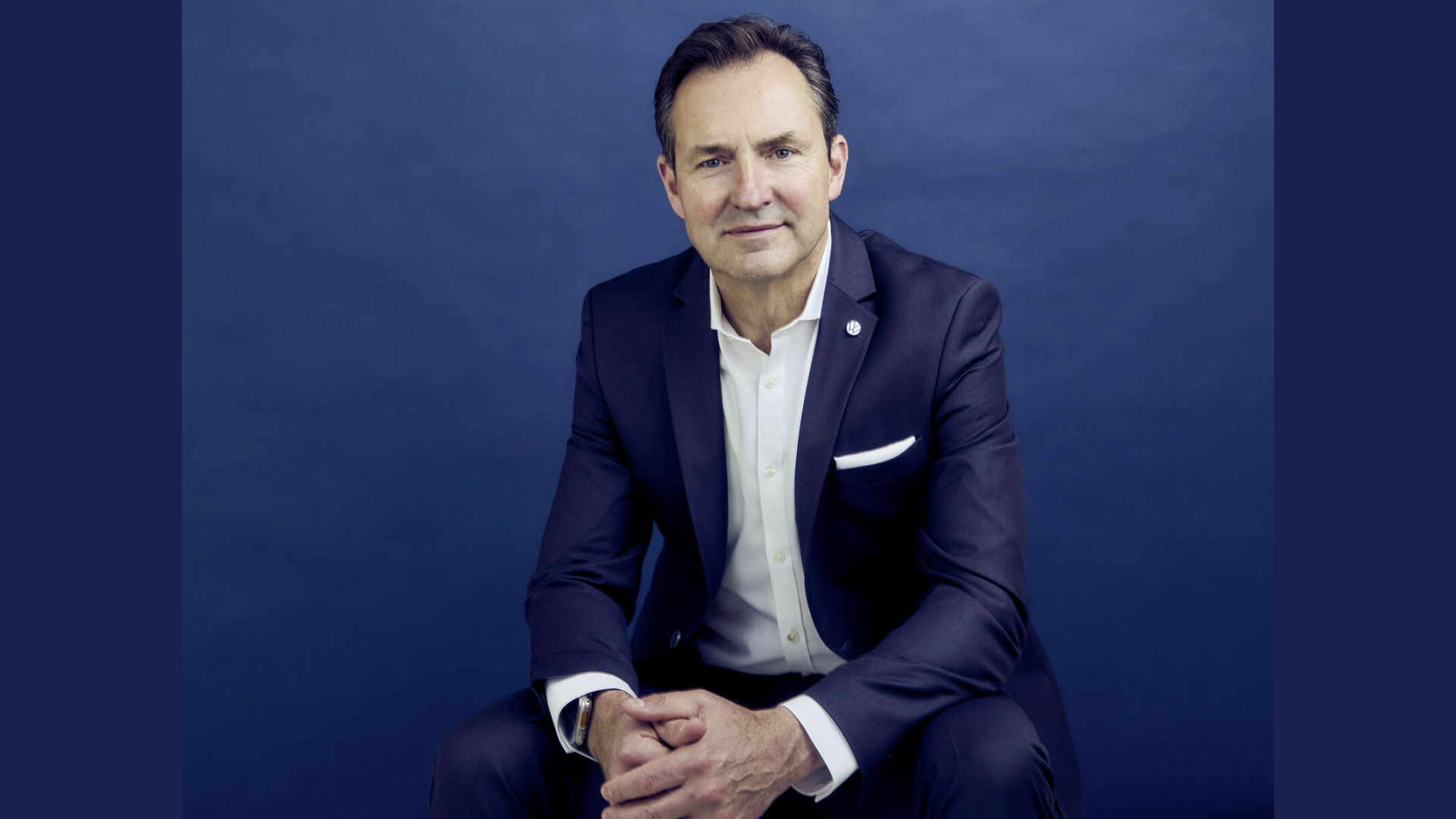

Volkswagen Brand CEO, Thomas Schäfer, has confirmed that the carmaker is committed to pressing forward with “robust cost-cutting measures and enhanced efficiency in its electric car business.” This is in response to the growing levels of competition faced by the company in an increasingly difficult global car market. “When it comes to strategic focuses, financial prudence and efficiency in all areas are key to maintaining competitiveness in the challenging automotive industry, which will involve a costly shift to e-mobility.”
Volkswagen, the largest-volume car maker in Europe, is currently operating in a challenging environment, which is likely to see slowdown in demand in the principal markets, along with increased production expenses, besides tougher competition from established car makers and rising Chinese EV manufacturers. It is in such a background that Schäfer emphasized the need for the Volkswagen brand to improve its profitability levels.
One major aspect on which the plan focuses is on lowering costs related to manufacturing, procurement, as well as administrative activities. Volkswagen has introduced a number of initiatives within the company itself. For example, making processes more efficient, improving the allocation of production hours, and minimizing complexity related to models and parts. According to Schäfer, inefficiencies accumulated through the years are no longer feasible due to the current challenges related to margins and capex.
“We have to become faster, leaner, and more efficient,” Schäfer emphasized, adding that cost-disciplined behavior will no longer be a choice, but a prerequisite to secure investment in innovation. The Volkswagen brand has significant cost savings over the next several years, with a focus on its German plants, where Wolfsburg is the showcase facility.
Meanwhile, the CEO also underscored the relevance of improving the efficiency levels in Volkswagen’s lineup for electric vehicles. Although the firm has registered considerable success in expanding its offerings for the electric car market through the ID lines, the executive conceded that the profitability levels for electric vehicles were not meeting expectations. Batteries’ high costs, issues related to software, and fierce pricing battles had derailed the profitability levels for the electric vehicles produced by Volkswagen.
In an effort to deal with these issues, Volkswagen is concentrating on “simplified vehicle architectures, shared platforms, and better battery economics.” A high degree of standardization among models will simplify development efforts, which in turn may lead to faster market introduction. Volkswagen is also cooperating with suppliers in order to attain more favorable pricing for batteries, which currently make up a significant percentage of EV production costs.
Car performance and technology integration are other areas which have also been recognized as needing improvement. Schäfer recognized challenges faced in software development at Volkswagen but ensured that efforts are being made to rectify this issue to ensure a smooth experience for Volkswagen EV owners in the future. Software functionality is increasingly becoming a determinant in consumer choices.
Although cost reduction is still at the forefront, Schäfer took pains to point out that this does not include a withdrawal from projects regarding electrification. According to this, the future models that are going to be produced with an electric engine are expected to achieve lower price ranges while providing sufficient margins, as described by Schäfer as “one of the toughest challenges in the industry.”
When looking at the regional performance of the company, Volkswagen operates under different market conditions. For instance, the uptake of electric vehicles in Europe is rising albeit at a unequal pace. This varies based on the availability of subsidies and the convenience of recharging the vehicle. On the other hand, China is very competitive for Volkswagen. The local competitors have priced their electric vehicles very competitively and have continued to innovate at a very high pace. According to Schäfer, the company has changed its strategy in China to meet the desires of the customers.
Labor relationships remain a contentious topic, particularly in Germany, where an effort to achieve cost savings creates apprehension regarding the associated aspect of job security. However, Schäfer pointed out that Volkswagen was working in collaboration with employee representation in an endeavor to achieve this in such a manner that the employees’ future will not be adversely affected.
Industry experts believe that the strategy adopted by Volkswagen is more of a rebalancing act rather than pulling back. This is especially since car makers are struggling to maintain profi ts with the colossal investments being made for the transition to electric cars. Going forward, Schäfer was optimistic that a focus on proper implementation would allow the Volkswagen brand to come out even stronger. “Efficiency is the key to transformation,” Schäfer stated, emphasizing again that “cost management and competitiveness in electric vehicles must go hand in hand.” As the world’s automotive sector embarks on a critical path, Volkswagen’s effort to cut costs and refine its EV plans can be considered representative of the hard but inevitable choices that mainstream automakers are going to make in their quest for an electric future.

