
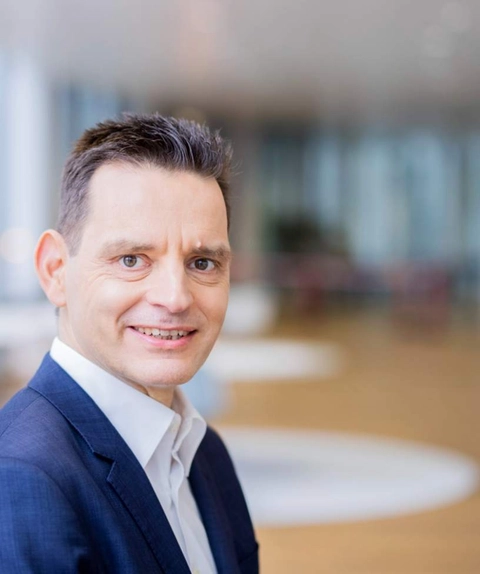

E.ON CEO Leonhard Birnbaum has called for a radical change in how Germany prioritizes energy-grid connections, which suddenly puts him at the center of a grand national debate. His comments come as the country’s energy transition faces infrastructure pressures, growing electricity demand, and an urgent need for modernization of the grid. Birnbaum says Germany now needs to shift its decade-long emphasis on renewable generation to rebalancing the grid for households, industrial consumers, and job-creating businesses.
Birnbaum has been one of the key players in Germany’s energy market for more than ten years, during which time renewables have already “won” economically and technologically, making up over half the country’s electricity supply. In many regions, he said, new solar installations are growing faster than the grid can support. Continuing to prioritize the connection of additional wind and solar installations without resolving grid bottlenecks first, he said, adds cost and increases inefficiency, threatening overall system stability.
His view underlines a growing problem: Germany’s renewable generation capacity has expanded much faster than the infrastructure put in place to transport and distribute that power. Wind farms in the north often generate electricity that cannot be transported efficiently to central and southern Germany, where industrial clusters are located. Grid operators therefore have to throttle back renewable output, wasting clean energy while continuing to pay for unused electricity. Birnbaum said this imbalance has become too expensive to tolerate.
The chief of E.ON has thus called on policymakers to reconsider grid-connection priorities. Instead of placing new renewable projects at the front of the queue, priority should be given to businesses, industries, and households-especially those that create economic value and jobs. In his view, ensuring reliable energy access for consumers and industries is now more important for the country’s long-term development than accelerating renewable expansion at “any cost.”
Birnbaum also attacked long-standing subsidy structures, such as fixed feed-in tariffs for solar installations that ensure continuing payments even when the capacity of the grid is constrained. According to him, the incentive landscape no longer reflects real needs of the energy system, and subsidies should evolve with grid realities and demand patterns. His remarks signal a call for a modernized policy framework that puts a premium on grid efficiency, cost-effectiveness, and long-term infrastructure resilience.
The debate around his comments is especially pointed, given Germany’s rise in electrification needs: as heating systems switch from gas to electricity, electric vehicles go mainstream, and industries adopt cleaner, electrified processes, demand on the grid keeps rising. Birnbaum says that unless Germany urgently addresses grid capacity, it risks undermining its own energy-transition goals. Overloaded transmission lines, limited capacity to connect new customers, and regional imbalances threaten to slow economic activity and leave consumers frustrated.
Critics of Birnbaum’s position say that giving lower priority to the further spread of renewable energy could send the wrong signal at a time when Germany is committed to ambitious targets. They warn that reducing the pace at which wind and solar projects are developed could put long-term decarbonization goals at risk and undermine investor confidence. Environmental groups say the solution is not to pit renewables against grid users but rather to aggressively accelerate expansion of the grid and storage capacity.
Yet Birnbaum counters that grid expansion itself is a multi-year process involving planning permissions, regulatory approvals and community acceptance. Until major new transmission corridors are completed, Germany must manage existing capacity intelligently. To him, that means prioritizing access for consumers and industries that contribute to economic activity, while taking a more measured approach to new renewable connections in overloaded regions. The implications of Birnbaum’s comments are far-reaching. For policymakers, it means a need to rebalance the energy-transition strategy, giving greater prominence to smarter grid planning, regional capacity management, development of storage, and smoother regulatory processes.
For businesses, his views should provide reassurance that their role in the energy system is being recognised. For consumers, a more stable grid could also mean fewer bottlenecks, more reliable supply, and lower system costs over time. Ultimately, Birnbaum’s intervention underlines a more general truth: Germany’s Energiewende has reached a new phase. The challenge is no longer just to produce green power, but to deliver it in an efficient, reliable and affordable way to the people and industries that require it. As the debates heat up over what direction Energiewende will take in the future, the call by Birnbaum for a grid-first approach may become the centrepiece of how the next ten years of German energy policy is framed.

