
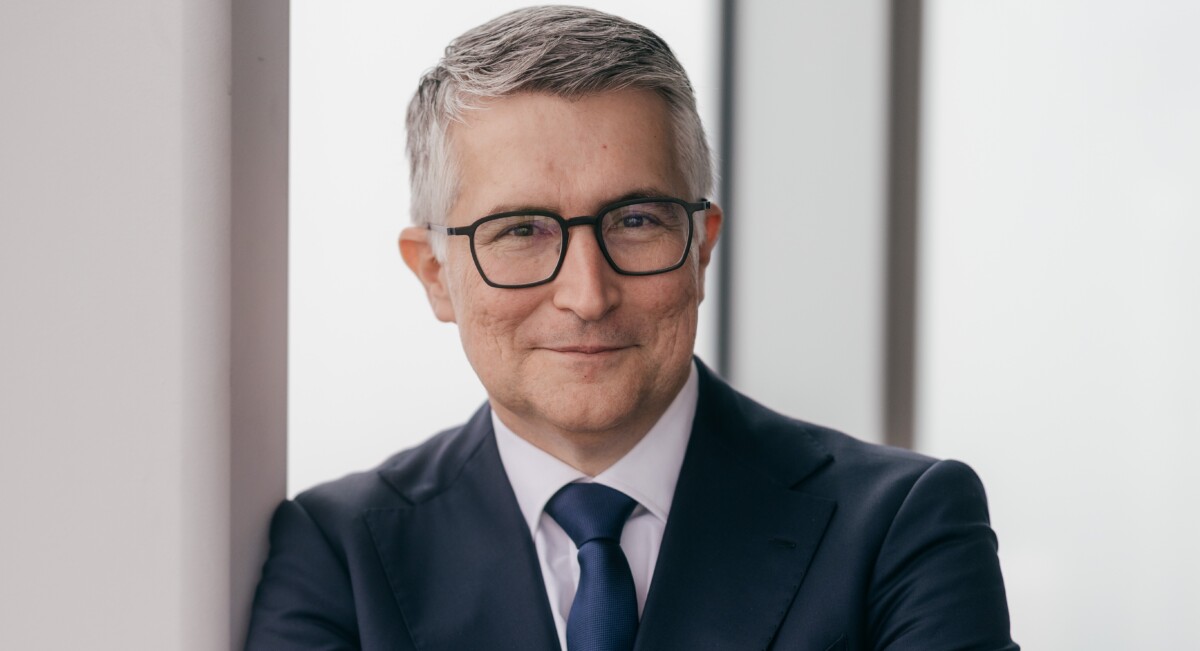
Telefónica Deutschland Announces Leadership Transition as Santiago Argelich Hesse Set to Succeed Markus Haas

Telefónica Deutschland Holding AG, one of Germany’s biggest telecommunications providers and the operator of the O2 brand, announced a senior leadership change, marking a new chapter for the company. The Supervisory Board appointed Santiago Argelich Hesse to the position of Chief Executive Officer, effective 1 January 2026, thus succeeding Markus Haas, who steps down after serving almost eight years in the top role. The company underlined that the transition fits with strategic priorities aimed at accelerating its digital transformation, strengthening its competitiveness, and delivering sustainable growth within one of Europe’s most challenging telecom markets.
Markus Haas has been closely associated with the expansion and brand reinforcement efforts at Telefónica Deutschland over the past decade. His tenure saw significant network improvements, regulatory negotiations, large-scale 5G deployments, and sustained campaigns to position the company as a reliable, customer-centric service provider. His time at the helm was marked by price wars, mergers in the European telecom space, and shifting consumer expectations on data usage and digital connectivity. With the German telco market continuing to be highly competitive, Haas played a key role in maintaining O2’s strong position in the market and its expanding network coverage.
The appointment of Santiago Argelich Hesse marks a strategic shift that reflects the company’s focus on the future. Hesse joined Telefónica in 2000 and has held multiple senior leadership roles across Europe and Latin America, building a reputation for operational restructuring, cost efficiency strategies, and digital innovation. His international experience will help Telefónica Deutschland through the next phase of transformation, especially at a time when the telecommunications industry is facing rapid change due to enabling technologies like artificial intelligence, cloud-based services, and advanced network automation.
In its statement, the company highlighted Hesse’s track record in leading complex markets and delivering performance-driven results. His recent responsibilities include overseeing commercial operations and corporate strategy within Telefónica’s wider European structure, giving him a deep understanding of regulatory landscapes, consumer behavior patterns, and infrastructure investment cycles. Analysts note his leadership style focuses on data-driven decision-making and cross-market scalability, traits that would align with Telefónica Deutschland’s growth priorities.
The transition occurs at a very critical juncture for the German telecommunications sector. Operators across the country are racing to expand 5G networks, improve connectivity in rural areas, accelerate fiber-to-home deployments, and enhance cybersecurity protections. Simultaneously, consumer expectations have changed toward seamless digital experiences, stable coverage, and affordable data plans. The competitive landscape, marked by players like Deutsche Telekom and Vodafone Germany, requires Telefónica to be agile and innovative in order to retain and expand its customer base.
Hesse is likely to accelerate the modernization of network infrastructure and the adoption of new digital service platforms that will improve customer engagement and retention. This could include investments in cloud-based services, IoT ecosystems, enterprise connectivity packages, and value-added digital solutions. Knowledge sharing from other Telefónica markets, especially where digital-first strategies have seen success, may drive influence in the roadmap in Germany.
For Markus Haas, the transition means the end of a long and influential leadership path. While he will retire by the end of 2025, the company said that he has agreed to be an active participant in management to ensure a seamless transition. His legacy will be linked to the strengthening of the company’s operational resilience, the extension of network capabilities, and the establishment of a strong brand identity.
For most onlookers within the industry, the change in leadership is a step forward, not backward. The long-term growth strategy for Telefónica Deutschland will not change, but perhaps the tone and tempo at which it is executed may change with Hesse at the helm. Innovation velocity, network intelligence, and service personalization will determine the course of competitiveness in the impending period within the telecom market. With this transition, Telefónica Deutschland is positioning itself to meet those challenges.
As the German landscape of telecommunications continues to shift, all eyes will be on how Hesse shapes Telefónica Deutschland into its next era: one that balances network innovation, customer experience, and market growth in a rapidly evolving digital ecosystem.

