

Germany Deports 43 Iraqi Citizens as EU Eyes Harsher Migration Measures
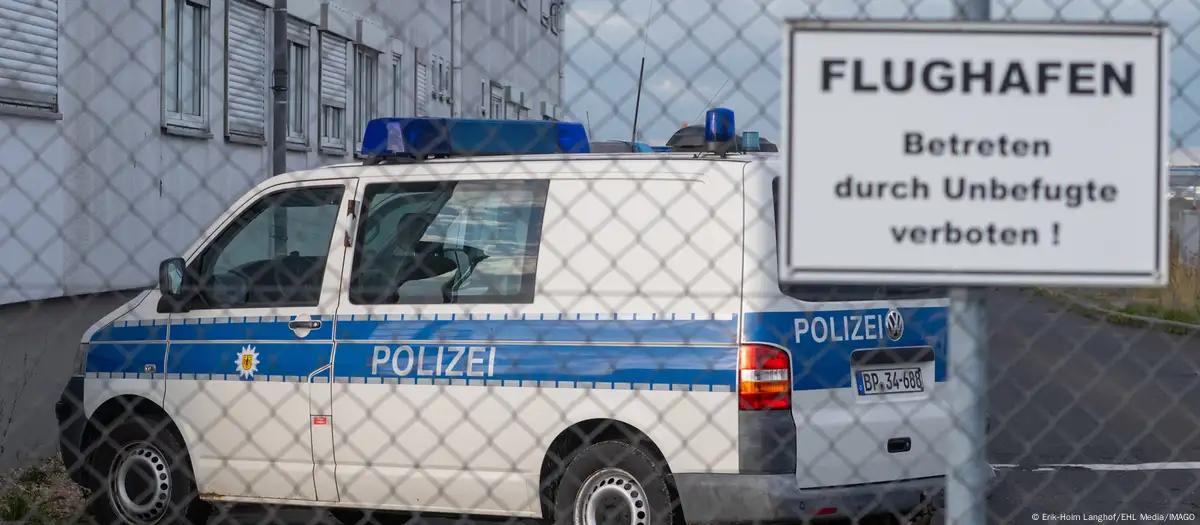
Germany has deported 43 Iraqi men in a charter flight to Baghdad, marking the second large-scale removal of migrants in recent days. The deportation follows a similar flight that returned Afghan nationals to their country, and it comes as European governments, including Germany, begin tightening their approach to irregular migration and asylum policy.
The flight took off Tuesday, as EU interior ministers, including Germany’s Interior Minister Alexander Dobrindt, met in Copenhagen to coordinate regional efforts on migration and border security.
Who Was Deported?
The Thuringia state justice ministry confirmed that all deportees were single men, and several had prior criminal convictions. These individuals had reached the end of their legal avenues for asylum or residency and were ordered to leave the country.
According to the ministry, deportation was a legal consequence of:
- Rejected asylum claims
- Criminal activity
- Lack of legal grounds to remain in Germany
Germany has faced mounting pressure to enforce stricter immigration laws, particularly in states that have become flashpoints for political unrest over the presence of undocumented or rejected asylum seekers.
Broader Context: Germany’s Tougher Stance on Migration
The deportation comes as Interior Minister Dobrindt pushes for a more aggressive European approach to irregular migration.
Speaking ahead of the Copenhagen summit, Dobrindt reiterated his support for:
- Increased deportations
- Legal pathways only for vetted migrants
- Stronger repatriation agreements with countries like Iraq, Syria, and Afghanistan
- Tighter EU border controls to combat organized smuggling networks
Germany’s policy shift reflects a growing divide across Europe between human rights advocacy and political pressure to curb migrant arrivals.
Migration Talks in Denmark: A Turning Point?
At the EU interior ministers’ meeting in Copenhagen, member states discussed ways to streamline deportations, share intelligence on organized crime, and strengthen external border controls under the Schengen agreement.
Germany is among the countries pushing for:
- Shared European repatriation flights
- Legal reforms that speed up the removal of rejected asylum seekers
- Increased cooperation with third countries (including financial incentives) to accept deportees
These policies aim to reduce irregular arrivals, especially in the face of rising migration from conflict zones and the growing burden on national asylum systems.
Critics Raise Human Rights Concerns
While some European leaders support stricter enforcement, human rights organizations and refugee advocates have raised concerns.
They warn that:
- Iraq, Afghanistan, and Syria remain high-risk zones for deportees
- Repatriated individuals may face persecution, poverty, or violence
- Collective deportations may violate international asylum law, especially if due process is not ensured
The UNHCR and other groups have called on European governments to balance border security with humanitarian obligations.
What This Means for Germany’s Migration Landscape
The deportation flight is part of a broader policy shift under Dobrindt’s leadership, signaling that:
- More chartered deportation flights are likely in the coming months
- Rejected asylum seekers will face increased pressure to leave voluntarily or risk forced removal
- Public sentiment and political pressure are influencing immigration enforcement at the state and federal levels
With elections approaching in parts of Germany, deportations and migration control are likely to remain hot-button issues.
Regional and Political Impacts
Eastern States on the Front Lines
Thuringia and other eastern German states have become focal points for stricter enforcement, partly due to:
- Higher numbers of rejected asylum applicants
- Rising support for far-right political movements
- Increased local concerns about crime and integration
These regions are pushing for faster processing, fewer legal loopholes, and visible enforcement as part of restoring public confidence in immigration controls.
EU-Wide Implications
The decisions made in Copenhagen could lead to:
- Standardized EU deportation protocols
- Funding mechanisms to help member states with high deportation costs
- More diplomatic pressure on origin countries to accept returnees
Final Thoughts
Germany’s latest deportation of 43 Iraqi men is a clear signal: the country is stepping up enforcement and pushing for a pan-European crackdown on irregular migration.
Interior Minister Dobrindt’s alignment with other hardline EU counterparts reflects a shift away from the open-door policies of the past decade. But the challenge remains: balancing security, law, and compassion in one of the world’s most complex migration landscapes.

