
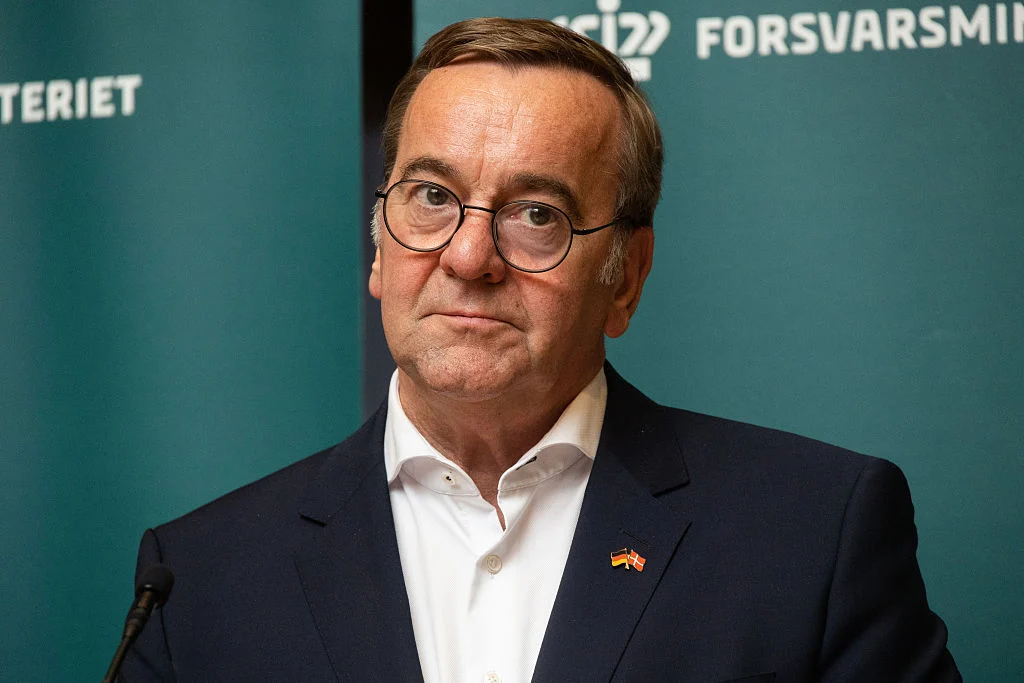

Germany is preparing to reintroduce a form of military conscription in response to growing security challenges in Europe, particularly due to Russia’s aggressive actions in the region. Defense Minister Boris Pistorius has outlined plans for a new draft system that would allow the government to call up conscripts if the country needs a rapid increase in its armed forces.
What’s the Plan?
According to German media reports, Pistorius plans to present a bill that would give the Cabinet the power—pending parliamentary approval—to activate conscription during times of need. This approach is seen as a middle ground between conservatives pushing to fully reinstate compulsory military service and left-leaning lawmakers who oppose a return to mandatory draft.
Conscription was officially suspended in Germany in 2011, shifting the country to a fully professional military. Now, with the shifting security landscape, especially after Russia’s ongoing territorial aggression, the government believes it is necessary to have the option of calling up conscripts to strengthen national defense quickly.
Why the Change?
The new proposal reflects Germany’s response to the altered security environment in Europe. Since Russia’s invasion of Ukraine and its increased military presence near Europe’s borders, many European nations are reconsidering their defense policies.
Germany aims to have this new system ready by 2026 to ensure it can respond flexibly to emergencies or threats. The draft wouldn’t be automatic but would only be triggered when the government and parliament agree it’s necessary.
Political Balancing Act
This draft proposal attempts to balance competing views within Germany’s political landscape. Conservatives have long advocated for the return of compulsory military service, arguing it promotes national security and social cohesion.
On the other hand, many leftist politicians oppose conscription, citing concerns about militarization and individual freedom. The new bill is a compromise designed to keep conscription as a last-resort option rather than a permanent policy.
Regional Security Context
Germany’s move comes amid growing worries about the Baltic region’s security. German President Frank-Walter Steinmeier recently traveled to Latvia to discuss regional defense and cooperation with Baltic leaders. The Baltic states feel particularly vulnerable to Moscow’s ambitions, given their geographic proximity and historical tensions.
This context highlights why Germany is strengthening its defense readiness and building closer ties with NATO allies in Eastern Europe.
What’s Next?
The German government plans to finalize the draft bill soon, aiming for a 2026 implementation. The proposal will require parliamentary debate and approval, and it will likely spark extensive discussion about the future of German defense policy.
Germany’s decision could influence other European countries facing similar security challenges as tensions with Russia remain high.
Germany’s plan to reintroduce limited military conscription reflects a significant shift driven by changing geopolitical realities. By preparing a flexible draft system, the country hopes to boost its defense capabilities while navigating political divisions at home.
As Europe faces ongoing threats, Germany’s moves underscore the urgency of adapting defense strategies to ensure stability and security in the region.

