
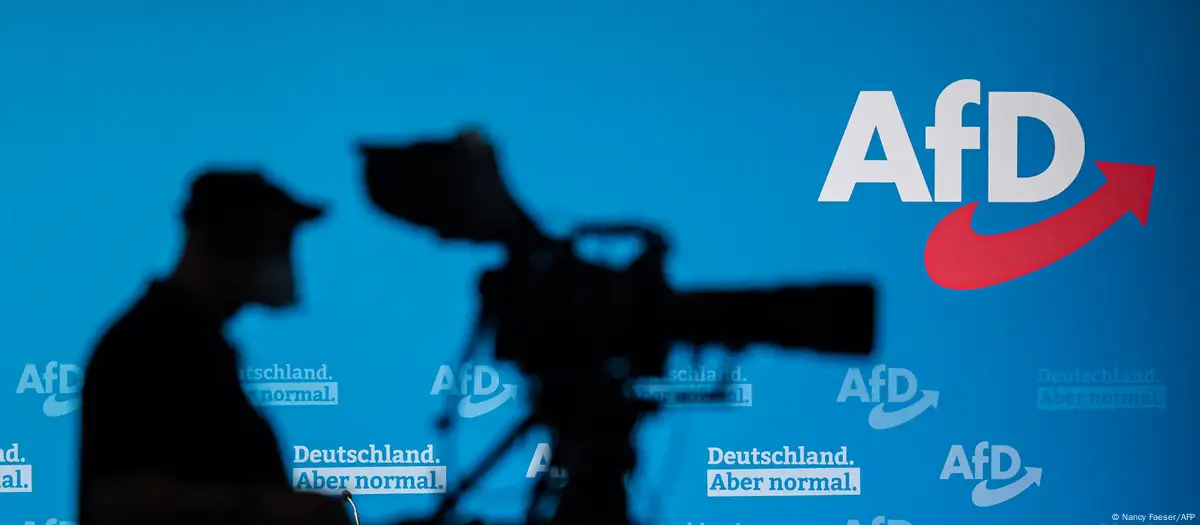
Germany’s Social Democrats Push to Ban Far-Right AfD Party Amid Rising Extremism Concerns

Growing Calls to Ban AfD Stir Political Debate in Germany
Germany’s Social Democratic Party (SPD) has taken a bold step by calling for the initiation of legal measures to ban the far-right Alternative for Germany (AfD) party, labeling it unconstitutional. This move has sparked a heated debate in Berlin, reflecting growing concerns about right-wing extremism and the future of Germany’s democratic landscape.
While the SPD is pushing for decisive action, many conservative lawmakers are urging caution, highlighting the legal complexities and political risks involved in banning a major opposition party.
Why Ban the AfD?
Recent Intelligence Classification
In May, Germany’s domestic intelligence agency officially reclassified the AfD as a “confirmed right-wing extremist” group. This unprecedented designation underscores serious concerns about the party’s ties to extremist ideologies and activities that may undermine Germany’s democratic order.
SPD’s Position
Following this reclassification, the SPD, which is part of the current governing coalition, passed a motion calling for the government to prepare the necessary legal groundwork to ban the AfD, arguing that:
- The party’s ideology contradicts Germany’s constitution
- Its activities pose a threat to democratic institutions
- Allowing such a party to operate undermines social cohesion and public safety
Conservative Lawmakers Urge Caution
In contrast, many conservative lawmakers, including members of Chancellor Olaf Scholz’s coalition partners and opposition parties, recommend a more measured approach. Their concerns include:
- The legal hurdles in banning a political party in a democracy
- Potential backlash and the risk of martyring the AfD, possibly strengthening its support
- The need to protect free political expression, even for controversial parties
AfD’s Role in German Politics
- The AfD is the strongest opposition party in the Bundestag (German federal parliament), with significant support in eastern Germany.
- Founded in 2013, it initially focused on euroscepticism but has since shifted towards nationalist, anti-immigration, and right-wing populist rhetoric.
- Its growing influence has alarmed many Germans and political analysts, given Germany’s history and the risks posed by far-right extremism.
Legal Battle Ahead
The AfD has launched a legal challenge against the intelligence agency’s extremist classification. The courts are now reviewing this challenge, which will be a crucial factor in any future attempt to ban the party.
Banning a political party in Germany requires clear evidence that it poses a direct threat to the constitutional order. Past attempts to ban extremist groups, including neo-Nazi organizations, have set high legal standards for such actions.
What This Means for Germany’s Democracy
The debate over banning the AfD goes beyond a single party; it touches on how Germany balances freedom of political expression with protecting democracy from extremist threats.
- Supporters of the ban argue that democracy must defend itself against parties that seek to dismantle it.
- Opponents warn of the dangers of restricting political pluralism, even for parties with extremist views.
A Defining Moment for Germany
Germany stands at a crossroads as it grapples with how to handle the rise of far-right politics. The SPD’s call to ban the AfD marks a significant escalation in efforts to confront extremism, but the legal and political challenges ahead mean the debate is far from over.
As the courts review the AfD’s status and parliament weighs its options, the world watches closely to see how Germany will uphold its democratic values while confronting internal threats.

