
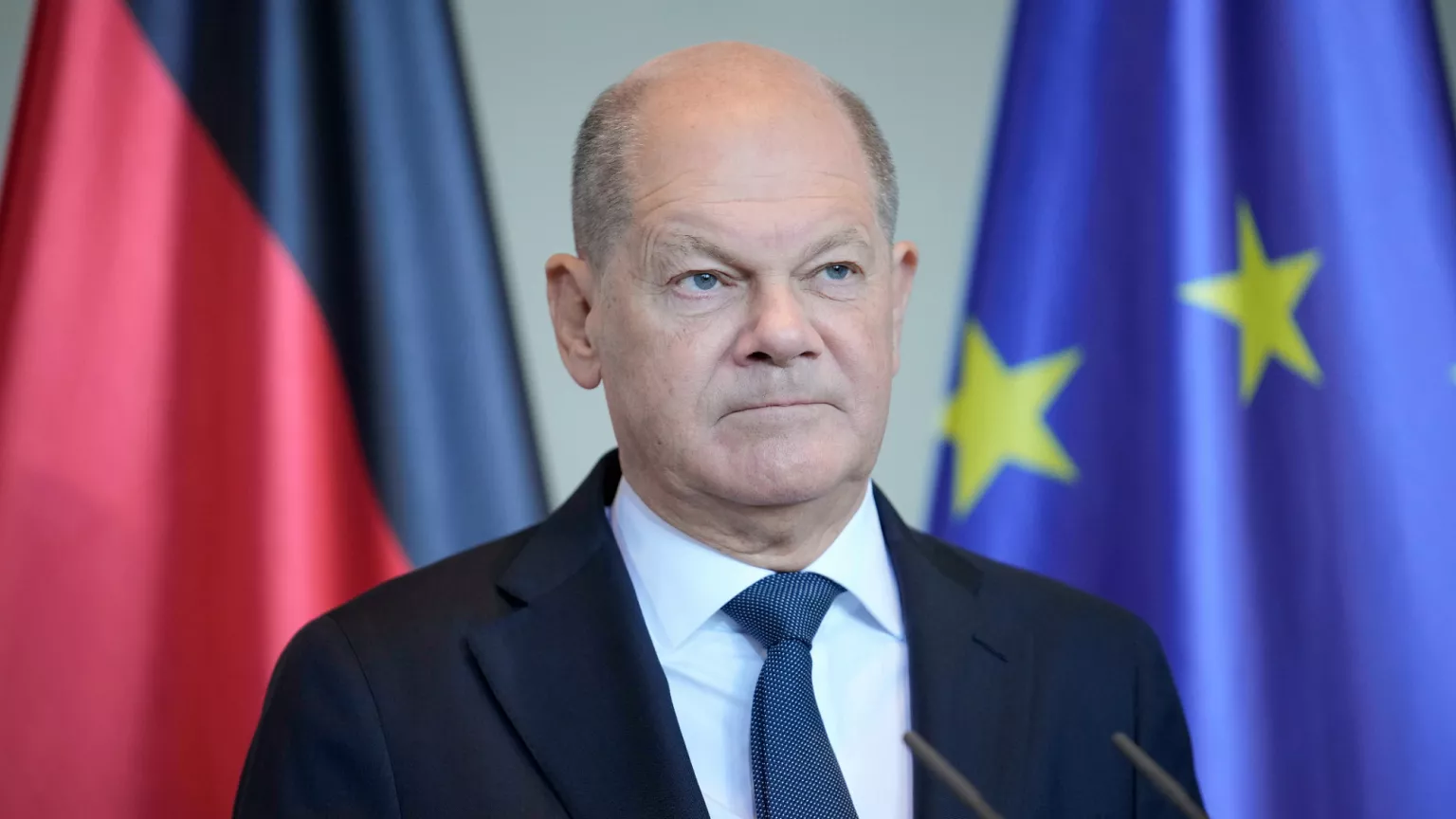

Olaf Scholz is a German politician affiliated with the Social Democratic Party (SPD). He served as Chancellor of Germany from December 2021 to 2025, following a long career in public service that included prominent roles such as Vice Chancellor, Minister of Finance, and Mayor of Hamburg.
Early Life and Political Career
Born on June 14, 1958, in Osnabrück, Lower Saxony, Scholz studied law in Hamburg and became a labor lawyer. He joined the SPD in the 1970s and rose through its youth organization, the Jusos. Known early on for his pragmatic approach, he gradually transitioned into more centrist politics.
Political Roles Prior to Becoming Chancellor
- Mayor of Hamburg (2011–2018): Scholz served as First Mayor of Hamburg, where he was known for efficient administration and investment in infrastructure.
- Federal Minister of Labour and Social Affairs (2007–2009): He held this post under Chancellor Angela Merkel during the global financial crisis.
- Vice Chancellor and Finance Minister (2018–2021): As part of Merkel’s fourth cabinet, Scholz managed Germany’s fiscal response to the COVID-19 pandemic, gaining praise for his handling of economic stabilization measures.
Chancellorship (2021–2025)
Scholz became Chancellor after the 2021 federal election, leading a three-party coalition between the SPD, the Greens, and the Free Democratic Party (FDP)—the so-called “traffic light coalition.” His government prioritized climate policy, digital transformation, housing affordability, and social welfare reforms.
Major Challenges and Policies:
- Russia-Ukraine War: Scholz’s term was marked by the Russian invasion of Ukraine in 2022, prompting a major shift in Germany’s foreign and defense policy. He announced a €100 billion fund to modernize the military and began reducing Germany’s dependence on Russian energy.
- Economic Strains: His government faced inflation, energy crises, and economic stagnation. His handling of these issues received mixed reviews from the public and industry.
- Climate and Energy Policy: Despite initial ambitions, Scholz’s administration struggled to fully deliver on climate goals amid geopolitical and economic headwinds.
Legacy and Departure
By 2025, Scholz’s popularity had declined due to economic challenges, coalition infighting, and public dissatisfaction over the pace of reforms. He was succeeded by a new government following the federal elections that year. Despite a turbulent term, Scholz is remembered for steering Germany through a time of global uncertainty and initiating key shifts in defense and foreign policy.

