
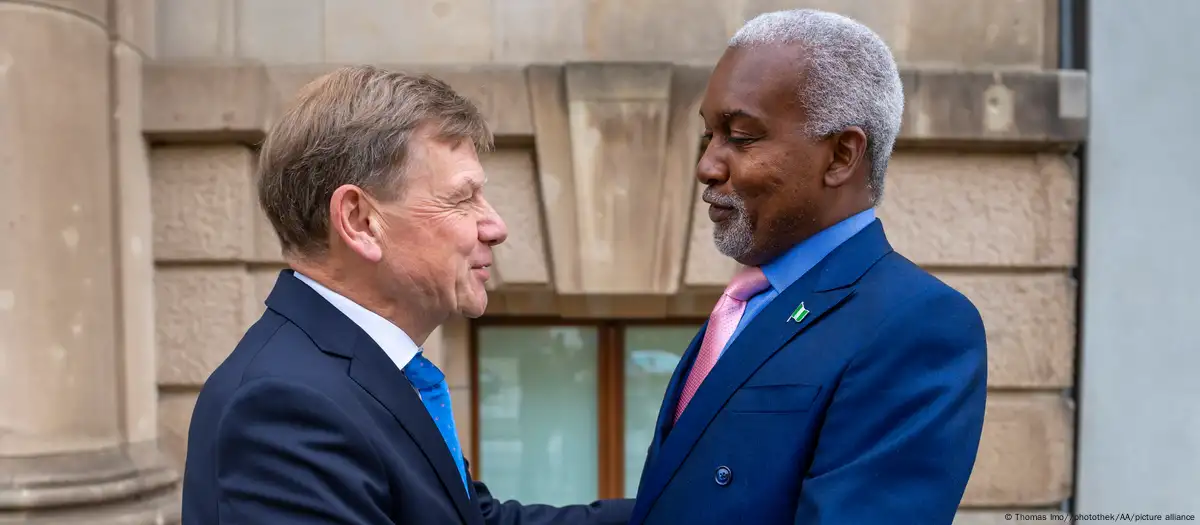

Germany and Nigeria have agreed to deepen their cooperation in key areas such as the economy, energy, and migration. This pledge follows a high-level discussion between German Foreign Minister Johann Wadephul and his Nigerian counterpart, Yusuf Tuggar. The two countries are positioning themselves to expand their partnership, seeing mutual benefits in various sectors, particularly in Africa’s growing economic potential.
Strengthening the Economic Ties
During their meeting on Thursday, both ministers emphasized the vast opportunities for economic collaboration between Germany and Nigeria. Wadephul described Nigeria as a “key partner” for Germany within Africa, stressing that the African continent, including Nigeria, holds significant promise for the future. He noted the enormous economic potential of Africa, and by working closer with nations like Nigeria, Germany aims to capitalize on this potential.
A critical area of focus in their discussions was the growing importance of resources like rare earths, which are abundant in several African countries, including Nigeria. These minerals are crucial for the production of a range of technologies, including electric vehicles and renewable energy infrastructure, making them a strategic commodity for Germany’s future.
Energy Cooperation and Sustainability
In addition to economic ties, energy cooperation was highlighted as a critical area for mutual benefit. Nigeria, with its vast energy resources, stands as an important player in Africa’s energy landscape. Germany, known for its push toward sustainable energy solutions, seeks to collaborate with Nigeria to improve energy infrastructure and increase access to renewable energy across the continent.
This energy partnership is particularly important in the context of Africa’s energy transition, where renewable energy sources such as solar and wind are becoming increasingly pivotal. Germany’s experience in green technologies could play a significant role in helping Nigeria transition toward more sustainable energy practices.
Addressing Migration Challenges
Migration is another area where Germany and Nigeria see the need for closer collaboration. Both countries recognize the importance of managing migration flows in a way that benefits both Europe and Africa. As Germany grapples with migration challenges within the European Union, working with Nigeria to create more sustainable solutions, including tackling the root causes of migration, is a priority.
The discussions also aimed to find ways to support Nigerian migrants in Germany, ensuring they are integrated and supported through various programs. Strengthening bilateral cooperation on migration management could potentially reduce irregular migration and help address the needs of both Nigerian migrants and the broader European community.
A Strategic Partnership for the Future
The partnership between Germany and Nigeria reflects the shifting global dynamics, where African countries are becoming increasingly important players in global trade, energy, and migration management. Both countries are looking to the future, with the African continent seen as a key to global economic and political development.
Germany’s deepening relationship with Nigeria comes at a time when many African nations are seeking greater investment and collaboration from international partners. The growing importance of Africa’s natural resources, energy potential, and young, dynamic populations makes these partnerships crucial for shaping the future of global development.
The strengthened cooperation between Germany and Nigeria marks a significant step in fostering stronger economic, energy, and migration ties. With Africa positioned as the continent of the future, both nations are eager to explore the numerous opportunities for growth and collaboration. By working together, Germany and Nigeria aim to create sustainable solutions in key sectors, ensuring that their partnership continues to evolve for years to come.

