
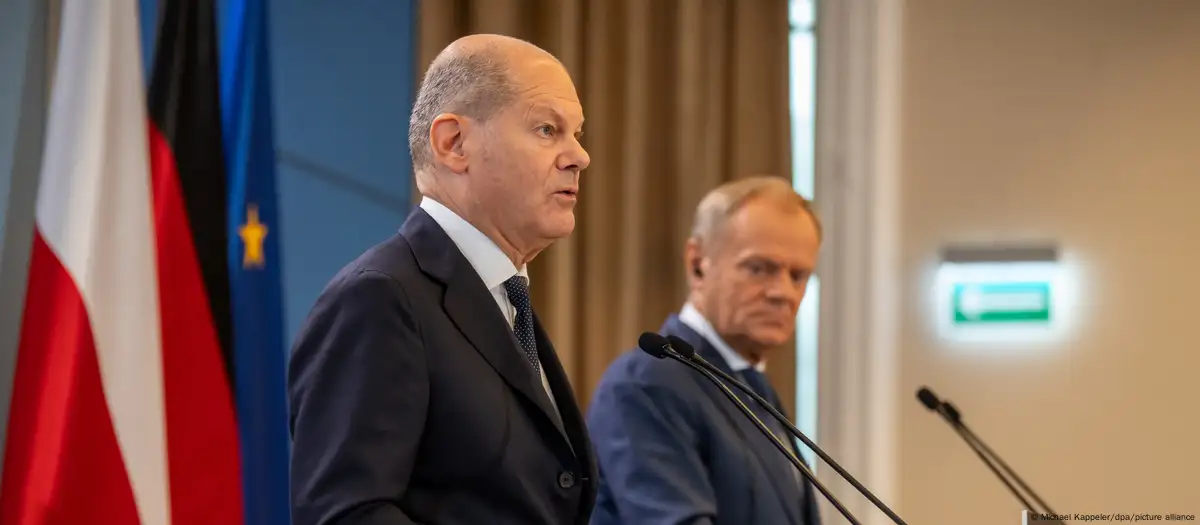

A Historic Diplomatic Visit
German Chancellor Olaf Scholz recently visited Warsaw for a key meeting with Donald Tusk, the leader of Poland’s opposition Civic Platform party. The visit comes at a crucial moment, as Scholz prepares to step down from his position and hand over the chancellorship to conservative Friedrich Merz. This diplomatic encounter between two political figures from different sides of the spectrum highlights the significance of German-Polish relations and the ongoing challenges they face.
Scholz’s Upcoming Transition: A Changing Political Landscape
As Germany prepares for a change in leadership, Scholz’s visit to Poland comes at a time of political transition. Scholz, who leads the center-left Social Democratic Party (SPD), is expected to pass the torch to Friedrich Merz of the center-right Christian Democratic Union (CDU). This shift in power raises questions about the future direction of German foreign policy, especially in relation to neighboring countries like Poland, with whom Germany shares a complex history.
Key Topics of Discussion: Reconciliation and Reparations
During the meeting, Scholz and Tusk focused on several key issues, including the future of German-Polish relations. One of the most contentious topics in recent years has been the question of World War II reparations. Poland has repeatedly called for compensation from Germany for the devastation caused during the war, a demand that has created tension between the two nations. While Scholz’s government has maintained that the issue of reparations was settled in the 1950s, Poland continues to push for more recognition and financial restitution.
The reparations issue remains a sensitive and divisive topic, not only between Germany and Poland but also within the broader European Union. The ongoing debate reflects the complex legacy of the war and the differing national perspectives on how historical wrongs should be addressed.
Strengthening Diplomatic Ties: Areas of Cooperation
Despite the historical challenges, the meeting between Scholz and Tusk also focused on areas of mutual cooperation. Both leaders emphasized the importance of maintaining a strong German-Polish partnership, particularly in the context of EU integration, climate change, and security. Poland and Germany share a common interest in strengthening European unity and addressing global challenges together.
Scholz’s visit also highlighted the role that both countries will play in shaping the future of the European Union, especially as the bloc faces issues like energy security, migration, and economic recovery from the pandemic. The two leaders expressed their commitment to collaborating on these issues to ensure the continued stability and prosperity of the EU.
Poland’s Role in Germany’s Future Foreign Policy
As Scholz prepares to step down, Poland’s position within Germany’s broader foreign policy strategy will become even more crucial. Under the leadership of Merz, it remains to be seen how the CDU will approach Poland, especially in relation to contentious issues like reparations and EU governance. Merz’s party has traditionally taken a more conservative stance on foreign policy, and his approach to Polish-German relations could differ significantly from Scholz’s more pragmatic approach.
A Diplomatic Shift Amidst Change
Scholz’s visit to Poland marks a significant moment in the diplomatic relationship between the two nations. While challenges remain, particularly regarding reparations, both sides have shown a willingness to engage in dialogue and work towards a more cooperative future. With Scholz’s impending departure from office, the outcome of this diplomatic meeting will likely influence how German-Polish relations evolve under the leadership of Friedrich Merz.

