
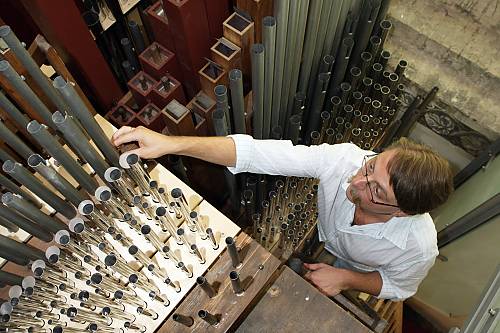

In the small German town of Freiberg am Neckar, there’s a company that’s keeping an age-old tradition alive — and its work is so special that UNESCO has recognized it as part of the world’s cultural heritage. Killinger Pfeifen, a local business, specializes in making flue pipes for organs, a craft that has been passed down through generations. This fascinating blend of craftsmanship and music is now officially listed as an Intangible Cultural Heritage of Humanity, marking a significant milestone for both the company and the world of traditional music-making.
Let’s dive into this beautiful craft and discover why it’s so important to preserve.
What Are Flue Pipes and Why Are They Special?
Before we go any further, let’s break down what flue pipes actually are. They’re the pipes in an organ that produce sound when air is blown through them. These pipes are a key component in the rich, powerful sound we hear when someone plays an organ in churches, concert halls, or even grand concert settings.
Flue pipes are made from materials like metal or wood, and they come in different shapes and sizes. They’re not just functional – they’re also highly crafted, requiring skilled artisans to shape and tune each one. The process of creating these pipes is both a science and an art, combining technical knowledge of acoustics with the delicate craftsmanship passed down through generations.
The Historic Craft of Organ Pipe Making
Organ craftsmanship is a deeply historic tradition that dates back centuries. In fact, this craft is so significant that in 2014, UNESCO added it to its list of Intangible Cultural Heritage of Humanity. This recognition was a huge deal because it acknowledges the centuries-old tradition of crafting organs and their components, including the flue pipes, as a vital part of global cultural history.
Germany, with its long tradition of musical instruments, is home to some of the world’s most renowned organ builders. In Freiberg am Neckar, a town known for its connection to musical heritage, Killinger Pfeifen continues this legacy by creating high-quality flue pipes that contribute to the sound of organs played all over the world.
The company’s work ensures that the rich, timeless sound of the organ is preserved for future generations. For those who are passionate about music and culture, the work that Killinger Pfeifen does is more than just making pipes; it’s about maintaining an essential part of humanity’s musical heritage.
The Work of Killinger Pfeifen: Crafting Perfection
Killinger Pfeifen isn’t just another manufacturing company. They’re a part of something much bigger – a living tradition that spans generations. The company specializes in making flue pipes for organs, using techniques that have been refined over centuries.
The process of making each pipe is incredibly precise. First, the artisans select high-quality materials, then they carefully craft each pipe by hand. The shape and size of each pipe must be perfect, as even the slightest imperfection can affect the tone of the organ. Once the pipes are made, they’re tuned to produce the exact sound needed for different parts of the organ. The craftsmanship involved requires a deep understanding of both acoustics and artistic flair.
Each pipe has its own character, and the skilled workers at Killinger Pfeifen treat each one with the care it deserves. This is more than just a business; it’s a passion for preserving the sounds that have filled churches and concert halls for centuries.
Why UNESCO’s Recognition Matters
When UNESCO recognized organ craftsmanship as part of its Intangible Cultural Heritage, it wasn’t just about listing an ancient art form. It was a statement about the importance of preserving these traditions in an increasingly modern world.
The recognition by UNESCO shines a spotlight on the craft, ensuring that it is valued, protected, and passed down through future generations. It helps to bring attention to the deep cultural significance of creating instruments like organs, which have played a vital role in many cultures and societies.
For companies like Killinger Pfeifen, this recognition also serves as a reminder of the deep responsibility they carry in keeping this tradition alive. It’s not just about making money; it’s about honoring a legacy and ensuring that the craftsmanship continues to be appreciated.
The Global Impact of Traditional Organ Craftsmanship
Even though the art of making organ pipes may seem niche, its influence is global. Organs are still used in major concerts, churches, and other prestigious venues around the world. The sounds produced by these instruments are deeply embedded in Western music traditions, and the people who craft these instruments are playing an important role in keeping that sound alive.
By focusing on quality craftsmanship and attention to detail, Killinger Pfeifen ensures that the organs they create pipes for continue to produce rich, powerful sounds that have captivated audiences for centuries. The company’s work contributes to a global network of musicians, composers, and music lovers who still revere the organ as one of the most magnificent instruments ever created.
Beyond music, traditional craftsmanship like this is also a critical part of preserving cultural identity. The art of organ building, which has been passed down through generations, plays a significant role in maintaining local traditions and fostering a deeper connection between people and their cultural history.
Keeping the Tradition Alive for Future Generations
As technology continues to evolve and the world becomes more digital, preserving traditional craftsmanship becomes even more important. Killinger Pfeifen is at the forefront of ensuring that this centuries-old tradition isn’t lost to modernity. By passing on the skills and techniques to the next generation of artisans, the company is helping to keep the art form alive and thriving.
For future generations, the knowledge of how to craft an organ pipe could become a vital part of their cultural heritage. Killinger Pfeifen isn’t just crafting pipes – they’re crafting history, preserving a tradition that future generations will be able to appreciate, just as we do today.
A Bright Future for Traditional Craftsmanship
The work of companies like Killinger Pfeifen is a powerful reminder of the value of craftsmanship in the modern world. While technology and machines continue to shape our lives, there’s something special about holding onto the traditions that define us as human beings.
By combining artistry with technical skill, Killinger Pfeifen ensures that the organ pipes they create will continue to resonate for generations to come. And thanks to UNESCO’s recognition, the importance of this craft will only continue to grow, reminding us all of the beauty and power of handcrafted art.
The Enduring Legacy of Craftsmanship
The craft of making flue pipes for organs is much more than just a trade. It’s a tradition that connects us to our cultural roots and enriches our lives with beautiful sounds. Killinger Pfeifen, based in Freiberg am Neckar, is one of the companies ensuring that this tradition remains alive and thriving.
With UNESCO’s recognition, this important part of our heritage will continue to be valued for its cultural significance. And as the world changes, companies like Killinger Pfeifen will play a key role in preserving the artistry and history behind this magnificent craft for future generations to enjoy.

