

Germany is going through some major changes when it comes to immigration and asylum policies. In recent years, the country has seen a surge in skilled workers arriving, while at the same time, the number of asylum seekers has dropped. Here’s a breakdown of the key shifts that are shaping the nation’s immigration landscape, and why this matters now more than ever.
Skilled Workers on the Rise
In just a few years, Germany has witnessed a remarkable 77% increase in the number of skilled workers coming to the country. This isn’t just about people looking for any job – it’s about talent. Highly skilled professionals from around the world are flocking to Germany, attracted by its job opportunities and strong economy.
The government sees this as a win. By investing in integration programs and offering incentives for skilled workers, Germany has positioned itself as an attractive destination for top talent. As a result, many foreign workers are choosing Germany over other European countries, hoping to contribute to the economy and build a life in a thriving, future-oriented nation.
Why is this happening?
Germany is offering something that many countries are not: a combination of stability, strong infrastructure, and opportunities for growth. The German job market is highly in demand for skilled professionals, especially in sectors like engineering, IT, healthcare, and research. This not only benefits Germany’s economy but also helps skilled workers find jobs that match their expertise and experience.
A Shift in Asylum Seekers
While the number of skilled workers is rising, the number of asylum seekers in Germany has dropped significantly. In fact, asylum applications have halved in recent years. This is a noticeable change from the previous decade when Germany was known for its open doors to refugees.
What’s behind this decrease? Several factors play a role. Political instability and economic conditions in asylum seekers’ home countries have shifted. Meanwhile, Germany’s stricter immigration policies and more effective border control measures have made it harder for asylum seekers to enter the country.
While this reduction may sound like a victory for some, it also highlights the complex nature of Germany’s migration policies. The shift in asylum numbers reflects a changing global landscape, and raises important questions about how Germany’s government is responding to these shifts.
Deportations: A Growing Trend
One of the most debated aspects of Germany’s migration policy is deportations. The number of deportations in Germany has increased by 55% compared to just two years ago. This means more people who do not meet the country’s immigration or asylum criteria are being sent back to their home countries.
This rise in deportations has sparked a lot of debate. Critics argue that it can be inhumane, especially for individuals who have been living in Germany for years and have built lives there. Others see it as a necessary step to maintain order and control over who is allowed to stay in the country.
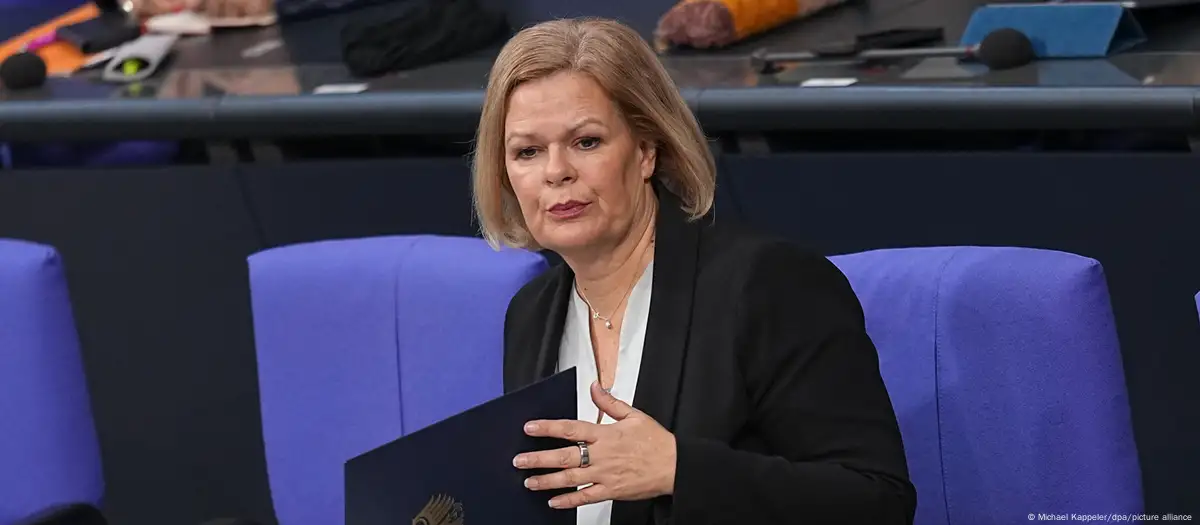
Germany’s government, led by center-left politician Nancy Faeser, defends this strategy. Faeser points out that the country is focusing on ensuring that only those who can contribute positively to the economy and society are allowed to stay. The goal is not to be harsh but to create a balanced immigration system that prioritizes skilled workers while still providing humanitarian assistance where needed.
Investing in Integration
The German government has made significant investments in the integration of migrants. Integration isn’t just about giving people a job or a place to live; it’s about making sure they feel at home, understand the culture, and have opportunities to succeed in their new country. This focus on integration has helped reduce the challenges immigrants face when they arrive in Germany.
Programs are in place to help immigrants learn the language, understand the legal system, and adapt to the German way of life. The government has made it clear that integrating skilled workers is just as important as attracting them in the first place. By offering these resources, Germany ensures that skilled workers can contribute to society effectively and build long-term careers in the country.
A Fine Balance Between Welcoming and Controlling Migration
Germany’s immigration policies have evolved significantly, balancing the welcome of skilled professionals with more stringent controls on irregular migration. The government’s efforts to reduce irregular migration, as Faeser stated, are largely seen as a success. While this has been viewed as a step forward for national security and economic stability, it has also been criticized for making life harder for asylum seekers.
For some, the shift towards skilled workers means the country is becoming more selective about who can stay. There’s a growing sense that Germany’s immigration policy is focusing more on economic needs than humanitarian considerations. This has sparked debates about what kind of society Germany wants to be: one that remains open and inclusive, or one that prioritizes economic growth and stability.
In a time when migration is such a polarizing issue, presenting the facts, figures, and data is critical. The challenge now is ensuring that the country can strike the right balance between welcoming new talent and maintaining fair and humane policies for those seeking asylum.
Germany’s Future Outlook: Where Does It Go from Here?
Looking ahead, Germany faces tough choices. How can it continue to attract skilled workers while maintaining fair policies for those who need protection? The future of Germany’s immigration system will depend largely on how well it can manage this balance. In the coming years, we’ll likely see more debates around asylum policies, deportations, and the overall direction of migration.
As the world continues to change, Germany’s approach to immigration will need to adapt. Whether this means loosening restrictions on asylum or offering more support for refugees, the government will need to remain responsive to both the needs of its citizens and those seeking refuge or opportunity within its borders.
A Changing Landscape for Immigration in Germany
Germany’s immigration and asylum policies are in the middle of a transformation. While the country has become a beacon for skilled professionals, the number of asylum seekers has dramatically decreased, and deportations have increased. This shift is reshaping the nation’s approach to migration and creating new challenges and opportunities.
The government’s focus on integrating skilled workers while reducing irregular migration has made Germany more attractive to foreign talent but also raised important questions about fairness and the treatment of asylum seekers. How Germany navigates these challenges in the future will play a pivotal role in defining its immigration policy for years to come.

