
Trump’s 25% Tariffs on Steel and Aluminum Imports Spark Price Hikes and Trade Tensions

Trump’s Tariffs Hit Steel and Aluminum Imports
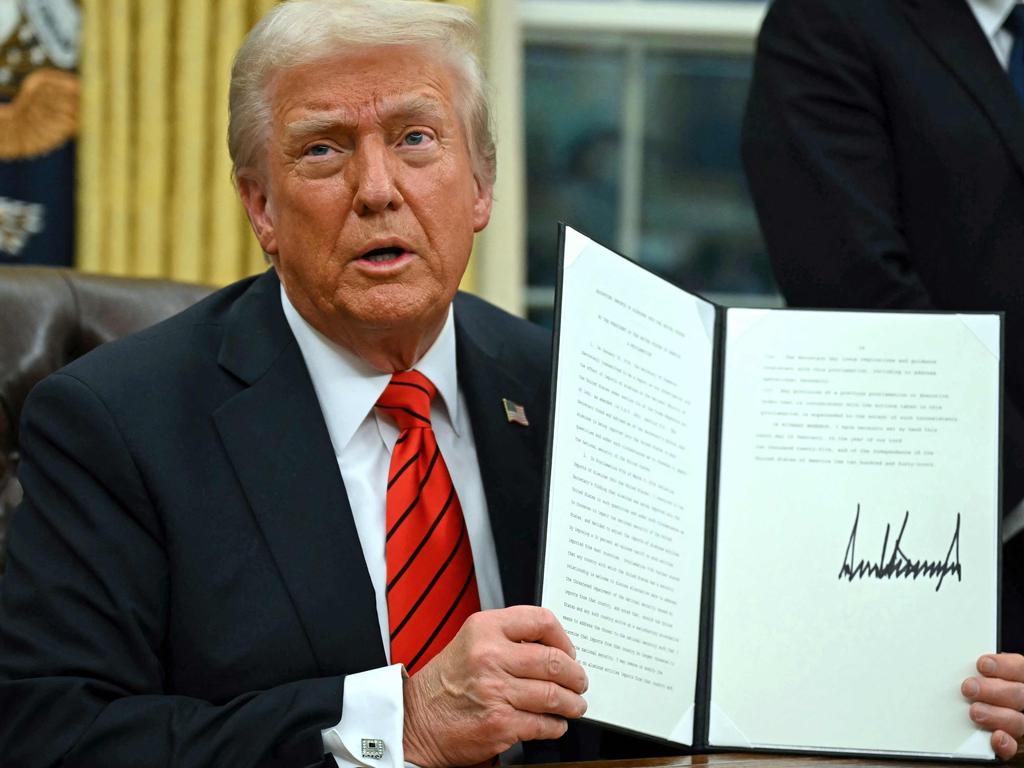
In a significant move, President Donald Trump has officially imposed a 25% tariff on all steel and aluminum imports into the United States, starting this Wednesday. This action is part of his ongoing effort to overhaul global trade relationships and bring more advantages to the U.S. However, the new levies could bring some economic consequences—including higher prices for products like drink cans, home appliances, and even cars.
The move has already sparked trade tensions, with the European Union hitting back with its own set of countermeasures. Meanwhile, countries like Canada, Mexico, Brazil, and South Korea will feel the brunt of these tariffs the most. Let’s dive into what these tariffs mean for global trade and why this has created such a stir.
What Are the New Steel and Aluminum Tariffs?
On Wednesday, President Trump’s administration imposed the long-awaited tariffs on steel and aluminum imports. The new tariffs apply to all steel and aluminum coming into the U.S. from around the world. The 25% tariff on steel and 10% tariff on aluminum will affect a wide range of industries and products.
The most significant impact will be felt by steel-intensive products, such as cars, home appliances, and construction materials, which could see price increases. For example, the cost of producing automobiles or appliances could go up due to the added cost of steel and aluminum, which make up a large portion of the total manufacturing cost. The tariffs are aimed at protecting U.S. producers of these metals by making imported metals more expensive.
However, this protectionist move comes with trade-offs—especially for American consumers. As the price of goods rises, we may see an increase in consumer prices, affecting everything from the cost of your next car to your favorite soda.
Which Countries Are Most Affected by Trump’s Tariffs?
While the new tariffs will affect global trade, some countries will feel the impact more than others. Canada, Mexico, Brazil, and South Korea are among the nations that send significant amounts of steel and aluminum to the U.S. These countries will be hit hardest by the new tariffs.
- Canada and Mexico: As major trading partners of the U.S., these countries are particularly sensitive to the tariffs. Although Trump initially threatened to double the tariff to 50% on Canadian steel and aluminum, he later backed off after negotiations between the U.S. and Ontario, a Canadian province, resulted in an agreement regarding electricity pricing. The tariffs remain at 25% for both Canada and Mexico.
- Brazil and South Korea: These countries will also face the full impact of the new levies. As the U.S. targets imports from these regions, they may seek alternative markets for their steel and aluminum or attempt to negotiate exemptions with the U.S. government.
The European Union Responds: Countermeasures Against U.S. Goods
The European Union (EU) wasted no time in responding to Trump’s new tariffs. In a tit-for-tat move, the EU announced that it would impose countermeasures on a range of U.S. goods. The EU is aiming to protect its own industries from the economic fallout of the tariffs, which many European officials see as unfair.
Among the goods that could face new tariffs are products like motorcycles, bourbon whiskey, and orange juice—items closely associated with American exports. The EU is also likely to target specific industries that are important to the U.S. economy, such as agriculture and manufacturing.
This trade battle between the U.S. and Europe has escalated the stakes for both sides. If both parties continue to retaliate, the global economy could see more disruptions and uncertainty, particularly in industries that rely on international supply chains.
Why Did Trump Impose These Tariffs?
President Trump’s tariffs are part of a broader campaign to reshape global trade in favor of U.S. businesses. His “America First” approach aims to address what he perceives as unfair trade practices that hurt U.S. workers. Trump has argued that U.S. manufacturers have been at a competitive disadvantage due to foreign imports, particularly from China and other countries that he believes use unfair trade practices to flood the U.S. market with cheap goods.
By imposing these tariffs, Trump hopes to level the playing field for U.S. steel and aluminum manufacturers, who have struggled to compete with cheaper imports. The goal is to give these industries a boost, create more jobs for U.S. workers, and reduce the U.S. trade deficit.
However, critics of the tariffs argue that the new duties will raise costs for American consumers and businesses, potentially leading to higher prices for everyday goods. They also warn that these tariffs could spark a trade war, as other countries retaliate with their own tariffs on U.S. products, like those from the European Union.
What’s the Impact on U.S. Consumers and Businesses?
The 25% tariff on steel and 10% tariff on aluminum will likely result in higher prices for a variety of goods that use these materials. For example:
- Automobiles: Steel and aluminum are key materials in the automobile industry, and car manufacturers may face higher production costs. As a result, car prices could rise, particularly for models that rely on a large amount of steel and aluminum.
- Home Appliances: From refrigerators to washing machines, many home appliances are made with steel and aluminum. Consumers may see a price hike in these products as manufacturers pass on the increased costs.
- Canned Drinks and Food: Many beverages and canned foods are packaged in aluminum cans. The increased cost of aluminum could lead to price increases for your favorite drinks or snacks.
In the short term, these price hikes could put a strain on consumers, especially in industries that rely heavily on these materials.
What’s Next for Global Trade?
The global trade situation is still fluid. While the U.S. tariffs are now in effect, the EU’s countermeasures and ongoing discussions with countries like Canada and Mexico will likely continue to evolve. It’s possible that both sides could reach a compromise or negotiate exemptions for specific products or industries.
However, if tensions escalate, we could see a larger trade war unfolding, which could have far-reaching consequences for businesses and consumers around the world. Global markets are already feeling the effects of trade uncertainty, and if countries continue to retaliate with tariffs, it could disrupt international supply chains and global economic stability.
A New Era of Trade Challenges
President Trump’s 25% tariffs on steel and aluminum imports are now in full effect, and they are likely to create economic ripple effects across industries and countries. While the U.S. government aims to support American manufacturers, consumers may face higher prices as a result. Additionally, the move has sparked countermeasures from the European Union, and other nations are likely to follow suit with their own tariffs.
As the global trade environment continues to evolve, businesses, consumers, and governments will need to adapt to the new realities of international commerce. For now, the trade dispute between the U.S. and Europe remains a key issue to watch in the months ahead.

